NBA Three-Point Records: The Revolution That Curry Started and Nobody Can Stop
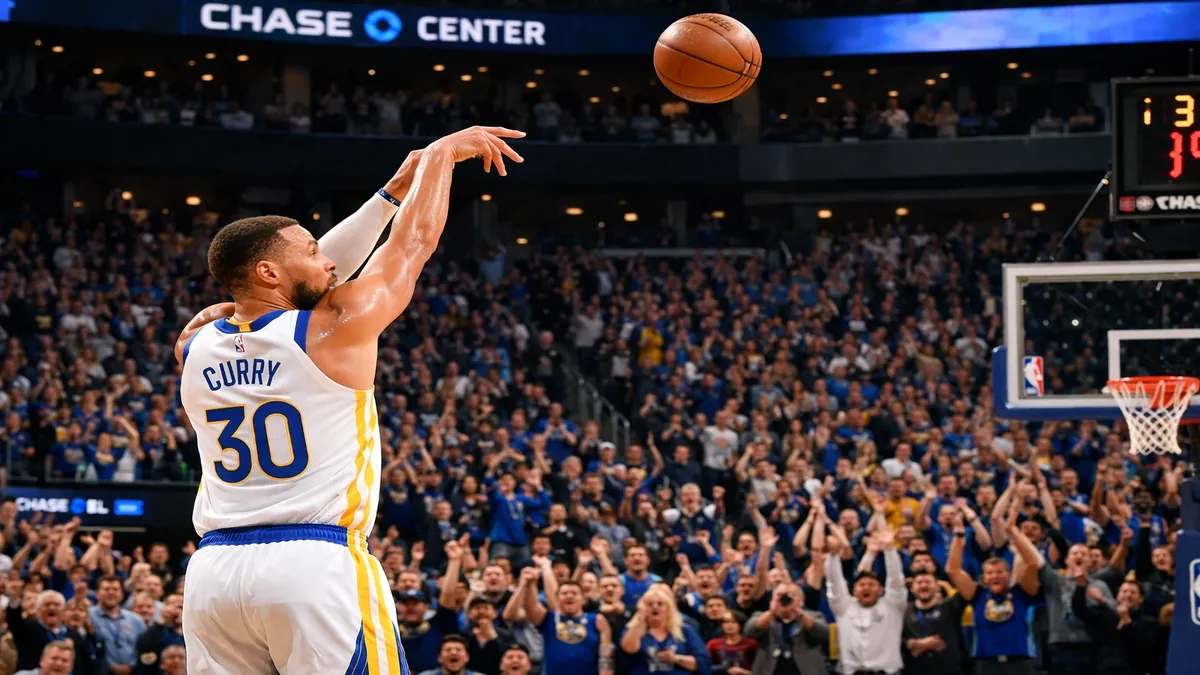
The three-point shot, once considered a novelty, a gimmick, or even an act of desperation, has fundamentally reshaped the landscape of professional basketball. Its introduction to the NBA in the 1979-80 season was met with skepticism, viewed by many as an unnecessary addition that would detract from the purity of the game. For decades, it remained a secondary weapon, utilized primarily by specialists or in late-game situations. However, what began as a marginal rule change has blossomed into a full-blown revolution, culminating in an era where the three-pointer is not just a strategic option, but the very cornerstone of offensive philosophy. At the heart of this transformation stands Stephen Curry, a player who didn't just break records; he shattered them, forcing every team in the league to reconsider how basketball is played.
This article will trace the fascinating evolution of the three-point shot, from its humble beginnings to its current dominance. We will explore the pioneers who kept the shot alive, the specialists who mastered it, and ultimately, the generational talent who unleashed its full potential, turning a niche skill into the most potent weapon in the modern NBA. Through historical context, detailed statistics, and a breakdown of key records, we will illustrate how the three-point revolution is not just a story of individual achievement, but a narrative of strategic innovation that continues to redefine the beautiful game.
1979: The Shot Nobody Wanted
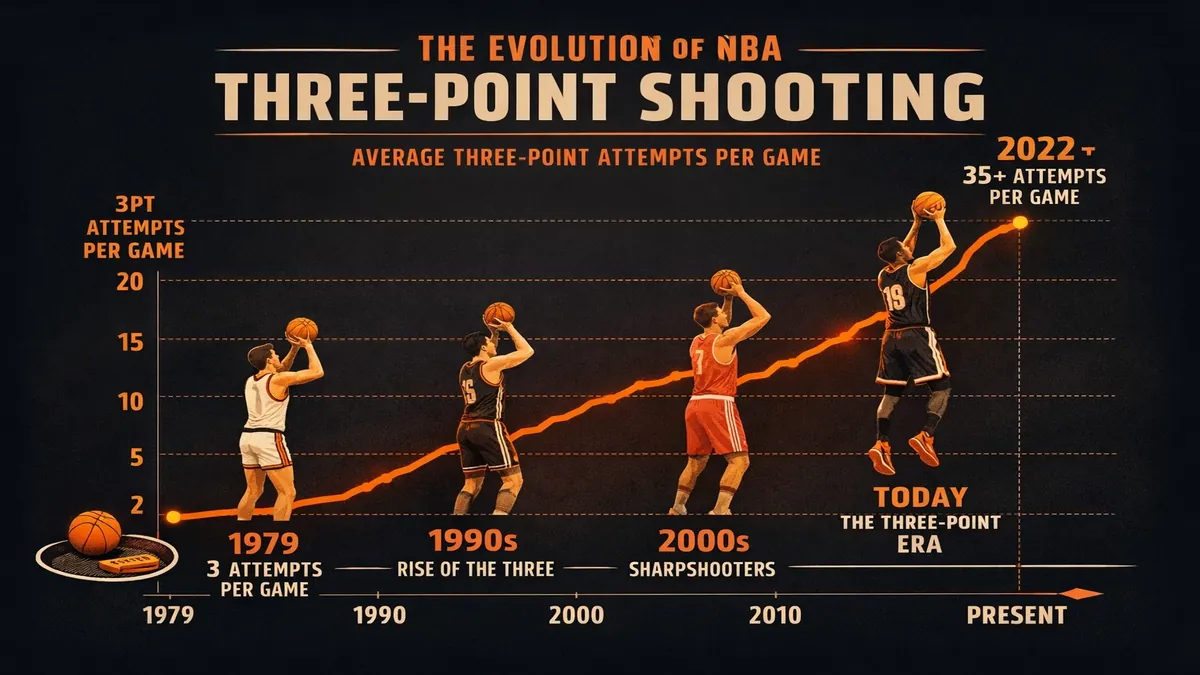
The three-point line was first introduced in professional basketball by the American Basketball Association (ABA) in 1967, primarily as a way to add excitement and differentiate itself from the established NBA. When the ABA merged with the NBA in 1976, the three-point line was initially discarded. It wasn't until the 1979-80 season that the NBA officially adopted the three-point shot, placing the arc 23 feet 9 inches from the basket (22 feet in the corners).
The initial reception was lukewarm, to say the least. Many coaches and players, steeped in the tradition of post-play and mid-range jumpers, viewed the shot with disdain. Legendary Celtics coach Red Auerbach famously dismissed it as a "gimmick." The prevailing wisdom was that it was a low-percentage shot that disrupted offensive flow and was not conducive to winning basketball. Teams rarely attempted more than a handful of three-pointers per game, and the league average for three-point attempts (3PA) per game hovered around 2-3 for the first decade of its existence.
Early adopters like Brian Taylor of the San Diego Clippers and Chris Ford of the Boston Celtics were among the first to consistently utilize the shot, but they were outliers. The game was still dominated by big men like Kareem Abdul-Jabbar and Moses Malone, and perimeter scoring was largely confined to drives and mid-range pull-ups. The idea of a team building its offense around the three-point shot was almost unthinkable.
The Specialists: Miller, Allen, Korver
As the NBA moved into the 1990s and early 2000s, the three-point shot began to gain more acceptance, largely due to the emergence of dedicated specialists who demonstrated its value. These players weren't just good shooters; they were masters of the craft, capable of altering the momentum of a game with a flurry of long-range bombs.
Reggie Miller of the Indiana Pacers became the quintessential three-point villain. His ability to hit clutch shots, often with his signature quick release and taunting celebrations, made him a fan favorite (everywhere but New York). Miller held the all-time record for three-pointers made for many years, a testament to his longevity and consistency. He wasn't just a shooter; he was a relentless off-ball mover, constantly running defenders ragged through screens and cuts, creating the sliver of space needed for his shot.
Ray Allen, another legendary sharpshooter, surpassed Miller's record in 2011. Allen possessed a picture-perfect shooting form and an uncanny ability to hit shots under pressure. His most iconic three-pointer came in Game 6 of the 2013 NBA Finals, a corner three that saved the Miami Heat's season and paved the way for their championship. Allen's dedication to his craft was legendary; he would spend hours before and after practice meticulously perfecting his shot, a work ethic that allowed him to remain effective well into his late 30s.
Kyle Korver represented the pinnacle of the "catch-and-shoot" specialist. With a career three-point percentage often hovering around 45%, Korver was a master of spacing and gravity. His presence on the court alone stretched defenses, creating driving lanes for his teammates. While not a primary ball-handler, his ability to instantly punish any defensive lapse made him an invaluable asset to every team he played for.
These specialists proved that the three-point shot, when executed with precision and volume, could be a powerful offensive weapon. They laid the groundwork for the revolution that was to come, demonstrating that the shot was not just a gimmick, but a legitimate and efficient way to score points.
Stephen Curry: Records Were Made to Be Broken
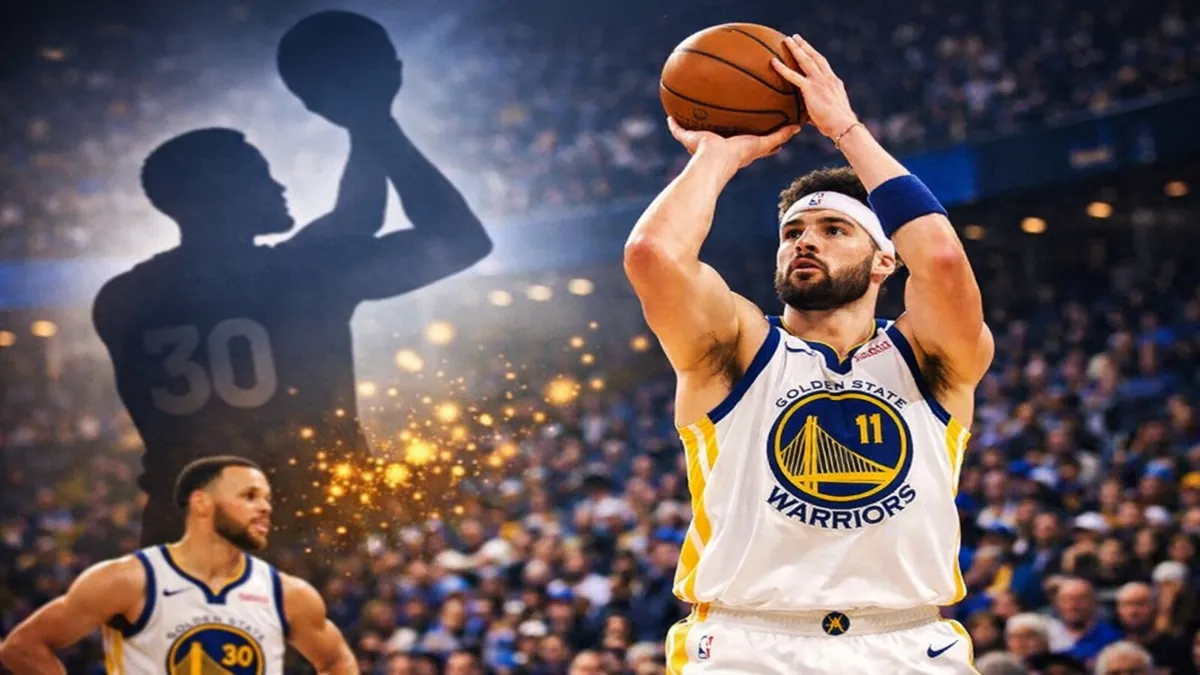
If Reggie Miller and Ray Allen were the pioneers, Stephen Curry is the revolutionary. He didn't just break the three-point record; he fundamentally altered the perception of what a three-point shooter could be. Curry, drafted 7th overall by the Golden State Warriors in 2009, possessed a unique combination of ball-handling, creativity, and an almost limitless shooting range. He wasn't just a catch-and-shoot specialist; he was a shot creator, capable of pulling up from anywhere on the court, often off the dribble, and with incredible accuracy.
Curry's impact goes beyond his individual statistics. He weaponized the three-point shot in a way no player had before, turning it into a primary offensive attack rather than a supplementary one. His ability to shoot from well beyond the arc forced defenses to guard him from half-court, opening up the entire floor for his teammates. This "Curry effect" created unprecedented spacing, allowing the Warriors to run a free-flowing, motion offense that was nearly impossible to defend.
In December 2021, Curry officially surpassed Ray Allen to become the NBA's all-time leader in three-pointers made, a moment that felt both inevitable and historic. He achieved the feat in significantly fewer games than his predecessors, a testament to his volume and efficiency. This record, once thought to be untouchable, was not just broken; it was obliterated, and Curry continues to extend it with each passing season.
All-Time Three-Pointers Made Leaders (Top 10)
| Rank | Player | Three-Pointers Made | Games Played | Seasons | Team(s) |
|---|---|---|---|---|---|
| 1 | Stephen Curry | 3,700+ | 900+ | 15+ | Golden State Warriors |
| 2 | Ray Allen | 2,973 | 1,300 | 18 | Bucks, Sonics, Celtics, Heat |
| 3 | James Harden | 2,800+ | 1,000+ | 15+ | Thunder, Rockets, Nets, 76ers, Clippers |
| 4 | Reggie Miller | 2,560 | 1,389 | 18 | Indiana Pacers |
| 5 | Kyle Korver | 2,450 | 1,290 | 17 | 76ers, Jazz, Hawks, Cavs, Bucks, Bulls |
| 6 | Damian Lillard | 2,500+ | 800+ | 12+ | Trail Blazers, Bucks |
| 7 | LeBron James | 2,400+ | 1,400+ | 21+ | Cavs, Heat, Lakers |
| 8 | Vince Carter | 2,290 | 1,541 | 22 | Raptors, Nets, Magic, Suns, Mavs, Grizzlies, Kings, Hawks |
| 9 | Jason Terry | 2,282 | 1,410 | 19 | Hawks, Mavs, Celtics, Nets, Kings, Rockets, Bucks |
| 10 | Paul George | 2,200+ | 800+ | 14+ | Pacers, Thunder, Clippers |
| Rank | Player | Season | Three-Pointers Made | ||
| 1 | Stephen Curry | 2015-16 | 402 | ||
| 2 | Stephen Curry | 2018-19 | 354 | ||
| 3 | Stephen Curry | 2016-17 | 324 | ||
| 4 | James Harden | 2018-19 | 378 | ||
| 5 | Stephen Curry | 2020-21 | 337 | ||
| 6 | Klay Thompson | 2018-19 | 310 | ||
| 7 | Buddy Hield | 2018-19 | 278 | ||
| 8 | Damian Lillard | 2020-21 | 275 | ||
| 9 | Paul George | 2018-19 | 292 | ||
| 10 | Donovan Mitchell | 2022-23 | 294 | ||
| Rank | Player | Date | Team | Opponent | Three-Pointers Made |
| 1 | Klay Thompson | Oct 29, 2018 | Golden State Warriors | Chicago Bulls | 14 |
| 2 | Stephen Curry | Nov 7, 2016 | Golden State Warriors | New Orleans Pelicans | 13 |
| 3 | Zach LaVine | Nov 23, 2019 | Chicago Bulls | Charlotte Hornets | 13 |
| 4 | Damian Lillard | Feb 26, 2023 | Portland Trail Blazers | Houston Rockets | 13 |
| 5 | Donyell Marshall | Mar 13, 2005 | Toronto Raptors | Philadelphia 76ers | 12 |
| 6 | Kobe Bryant | Jan 7, 2003 | Los Angeles Lakers | Seattle SuperSonics | 12 |
| 7 | Stephen Curry | Feb 27, 2016 | Golden State Warriors | Oklahoma City Thunder | 12 |
| 8 | Stephen Curry | Jan 3, 2021 | Golden State Warriors | Portland Trail Blazers | 12 |
| 9 | Stephen Curry | Apr 12, 2021 | Golden State Warriors | Denver Nuggets | 12 |
| 10 | Klay Thompson | Jun 13, 2022 | Golden State Warriors | Boston Celtics | 12 |
| Season | League Average 3PA Per Game | ||||
| 1979-80 | 2.8 | ||||
| 1989-90 | 6.6 | ||||
| 1999-00 | 13.7 | ||||
| 2009-10 | 18.1 | ||||
| 2014-15 (Pre-Curry Peak) | 23.0 | ||||
| 2015-16 (Curry Peak) | 24.1 | ||||
| 2019-20 | 34.1 | ||||
| 2023-24 | 35.1 | ||||
| Record | Value | Season | |||
| Most Team 3s in a Season | 1,077 | 2015-16 | |||
| Most Team 3s in a Game | 27 | 2018-19 |
These records are not just statistical curiosities; they represent a fundamental shift in how team offenses are constructed. The Warriors proved that a team built around elite three-point shooting, coupled with exceptional ball movement and defensive versatility, could dominate the league. Their success forced every other franchise to adapt, leading to a league-wide embrace of the long ball.
The Future of the Three-Point Shot
The three-point revolution shows no signs of slowing down. Young players entering the league are now expected to be able to shoot from deep, and even big men are developing their perimeter game. The distance of the three-point line has been debated, with some suggesting it should be moved back to create more space and challenge shooters even further. However, the fundamental impact of the shot remains undeniable.
Stephen Curry, through his unparalleled skill and audacious shot-making, didn't just break records; he redefined the game itself. He showed that the three-point shot was not a gimmick, but a powerful, efficient, and aesthetically pleasing weapon. He inspired a generation of players to shoot with confidence and encouraged coaches to embrace a more expansive offensive philosophy. The revolution he started has transformed the NBA into a league where every possession is a potential three-point opportunity, and the threat from beyond the arc dictates defensive strategy.
As the league continues to evolve, one thing remains clear: the three-point shot is here to stay. It is the engine of modern offense, the great equalizer, and the most exciting shot in basketball. And it all began with a rule change that nobody wanted, brought to full fruition by a player who dared to shoot from anywhere on the court. The revolution is complete, and its legacy will continue to shape the NBA for generations to come.