NBA Rebound Records: 55 in One Game: The Rebound Records That Will Never Be Touched
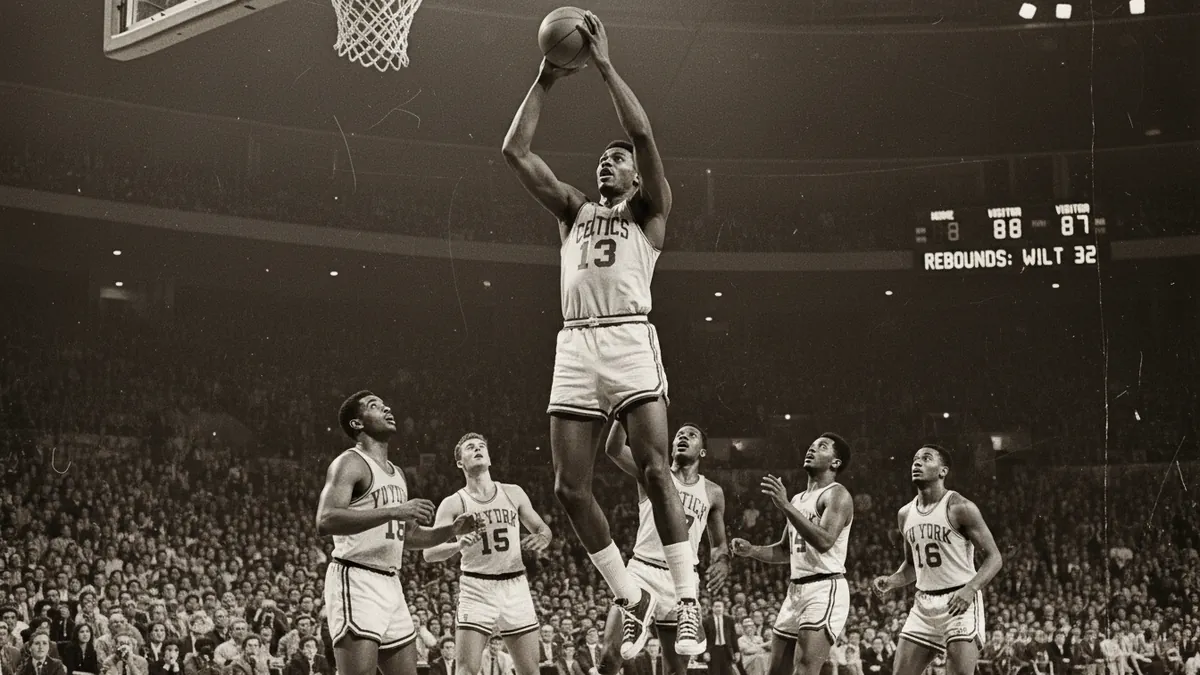
In the annals of NBA history, certain records stand as monumental achievements, seemingly untouchable by modern athletes. Among these, the rebounding records set during the league's early days are perhaps the most staggering. On November 24, 1960, Wilt Chamberlain, a man who seemed to defy the laws of physics, grabbed an astonishing 55 rebounds in a single game. This number is not a typo; it is a testament to an era of basketball that was vastly different from today's game, and to an athlete whose physical dominance remains unparalleled. The 55-rebound game serves as a dramatic hook, drawing us into the world of basketball's greatest rebounders—a world where giants battled for supremacy in the paint, and where the art of securing a missed shot was as crucial as the shot itself.
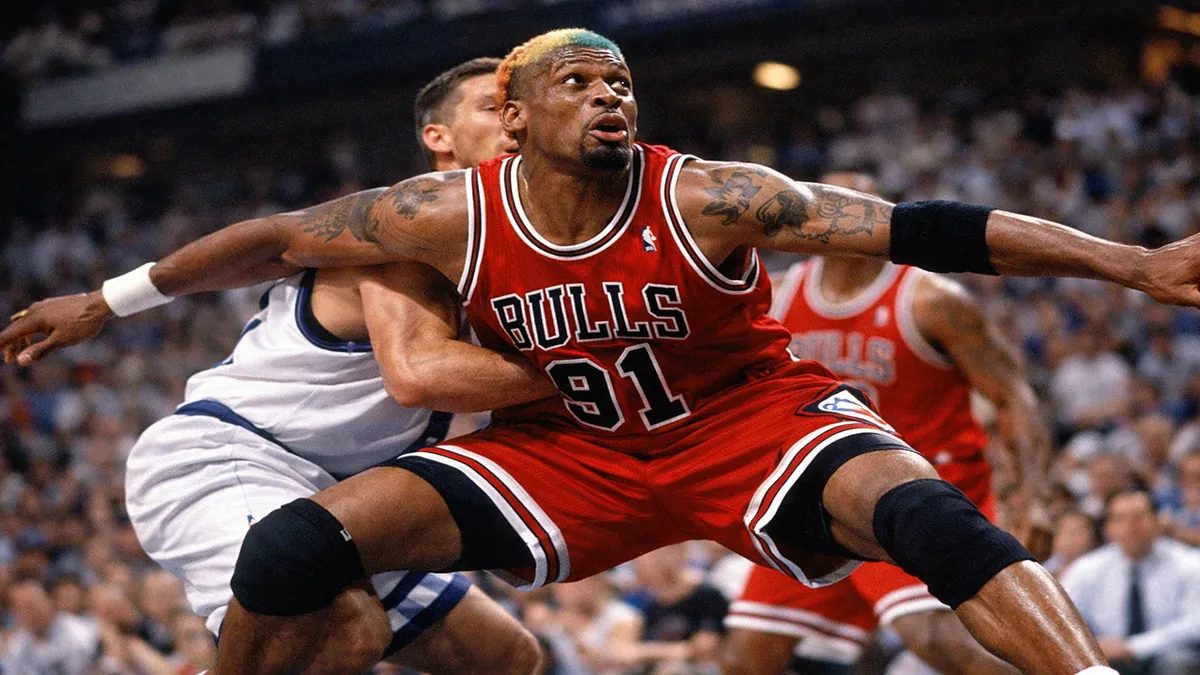
This article explores the seemingly unbreakable rebounding records of the NBA, anchored by the legendary rivalry between Wilt Chamberlain and Bill Russell. We will delve into the context of Wilt's 55-rebound game, celebrate the unique genius of Dennis Rodman—the greatest rebounder relative to his size—and examine how the position has evolved with the emergence of modern stars like Nikola Jokic and Giannis Antetokounmpo. These records are more than just numbers; they are historical artifacts, reminders of a bygone era and the titans who ruled it.
The 55-Rebound Game: A Number That Defies Belief
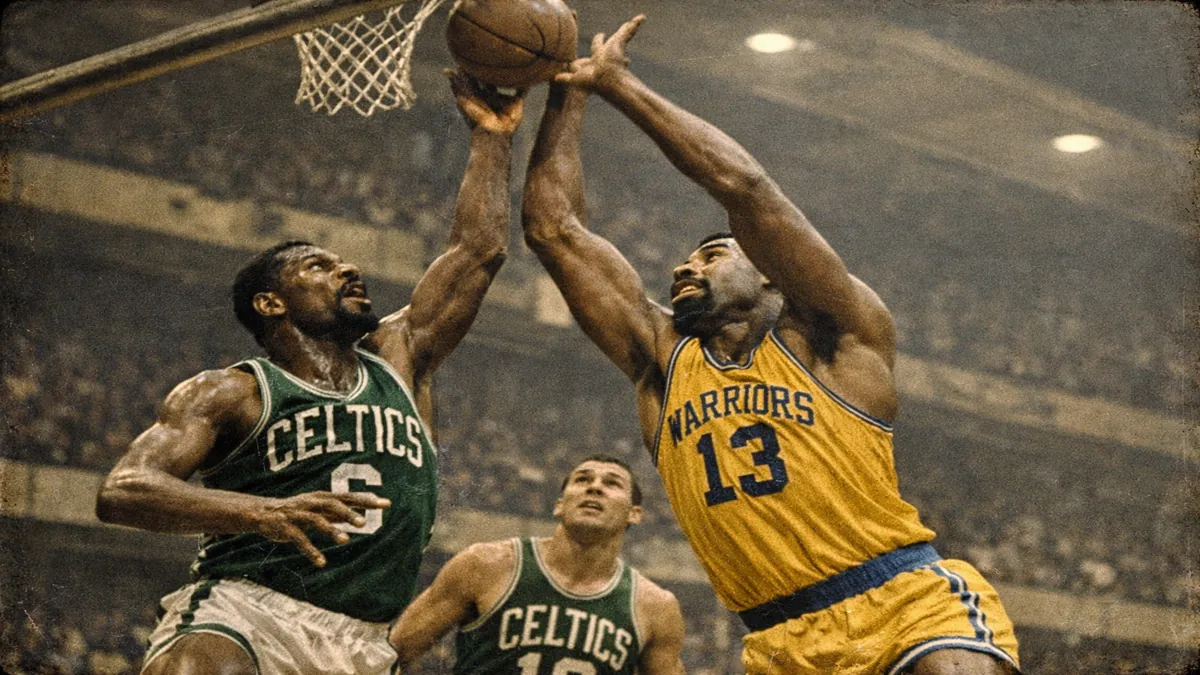
Wilt Chamberlain's 55-rebound performance is a statistical anomaly that is difficult to comprehend in the context of modern basketball. The game took place on November 24, 1960, between the Philadelphia Warriors and the Boston Celtics. The box score from that night is a historical document, showcasing Chamberlain's utter dominance. He not only grabbed 55 rebounds but also scored 34 points, leading his team to a 132-129 victory over their arch-rivals.
To put this feat into perspective, consider that in the modern NBA, a 20-rebound game is considered a remarkable achievement. The highest single-game rebound total in the last 25 years is 31, a mark that still falls far short of Chamberlain's record. The pace of the game in the 1960s was significantly faster, leading to more missed shots and, consequently, more rebounding opportunities. However, even with this context, 55 rebounds in a single game is a number that speaks to Chamberlain's unique combination of size, strength, and relentless pursuit of the basketball.
His opponent that night was none other than Bill Russell, his great rival and the only other player to have recorded more than 50 rebounds in a game. The fact that Chamberlain achieved this record against the greatest defensive center in NBA history only adds to its mystique. It was a battle of titans, a clash of two of the most dominant forces the league has ever seen, and on that night, Wilt's rebounding prowess reached a level that has never been matched.
Wilt Chamberlain: The All-Time Standard
Wilt Chamberlain's name is synonymous with NBA records. He is the only player to have scored 100 points in a single game, and his rebounding numbers are equally mind-boggling. He holds the all-time record for career rebounds with 23,924, a mark that, like John Stockton's assist record, is considered virtually unbreakable. He also holds the record for the highest career rebounding average (22.9 rebounds per game) and the most single-season rebounding titles (11).
Chamberlain's dominance was a product of his incredible physical gifts. Standing at 7'1" with a massive wingspan and legendary strength, he was a force of nature in the paint. He could out-jump, out-muscle, and out-hustle any opponent. His rebounding was not just about size; it was about positioning, timing, and an innate understanding of where the ball would carom off the rim. He treated every missed shot as a personal challenge, relentlessly pursuing the ball with a ferocity that was unmatched.
All-Time Career Rebounds Leaders (Top 10)
| Rank | Player | Career Rebounds | Games Played | Seasons | Team(s) |
|---|---|---|---|---|---|
| 1 | Wilt Chamberlain | 23,924 | 1,045 | 14 | Warriors, 76ers, Lakers |
| 2 | Bill Russell | 21,620 | 963 | 13 | Boston Celtics |
| 3 | Kareem Abdul-Jabbar | 17,440 | 1,560 | 20 | Bucks, Lakers |
| 4 | Elvin Hayes | 16,279 | 1,303 | 16 | Rockets, Bullets |
| 5 | Moses Malone | 16,212 | 1,329 | 19 | Braves, Rockets, 76ers, Bullets, Hawks, Bucks, Spurs |
| 6 | Tim Duncan | 15,091 | 1,392 | 19 | San Antonio Spurs |
| 7 | Karl Malone | 14,968 | 1,476 | 19 | Jazz, Lakers |
| 8 | Robert Parish | 14,715 | 1,611 | 21 | Warriors, Celtics, Hornets, Bulls |
| 9 | Kevin Garnett | 14,662 | 1,462 | 21 | Timberwolves, Celtics, Nets |
| 10 | Dwight Howard | 14,627 | 1,242 | 18 | Magic, Lakers, Rockets, Hawks, Hornets, Wizards, 76ers |
| Season | Team | Rebounds Per Game (RPG) | |||
| 1991-92 | Detroit Pistons | 18.7 | |||
| 1992-93 | Detroit Pistons | 18.3 | |||
| 1993-94 | San Antonio Spurs | 17.3 | |||
| 1994-95 | San Antonio Spurs | 16.8 | |||
| 1995-96 | Chicago Bulls | 14.9 | |||
| 1996-97 | Chicago Bulls | 16.1 | |||
| 1997-98 | Chicago Bulls | 15.0 | |||
| Rank | Player | Season | Total Rebounds | Rebounds Per Game | |
| 1 | Wilt Chamberlain | 1960-61 | 2,149 | 27.2 | |
| 2 | Wilt Chamberlain | 1961-62 | 2,052 | 25.7 | |
| 3 | Wilt Chamberlain | 1959-60 | 1,941 | 27.0 | |
| 4 | Bill Russell | 1963-64 | 1,930 | 24.7 | |
| 5 | Bill Russell | 1960-61 | 1,868 | 23.9 | |
| 6 | Wilt Chamberlain | 1966-67 | 1,957 | 24.2 | |
| 7 | Wilt Chamberlain | 1965-66 | 1,943 | 24.6 | |
| 8 | Bill Russell | 1958-59 | 1,612 | 23.0 | |
| 9 | Bill Russell | 1964-65 | 1,878 | 24.1 | |
| 10 | Wilt Chamberlain | 1962-63 | 1,946 | 24.3 |
These numbers, like the 55-rebound game, seem almost mythical in the context of modern basketball. The combination of a faster pace, fewer teams, and a greater emphasis on interior play created a perfect storm for these legendary rebounders to amass statistics that will likely never be matched.
The Modern Era: How Rebounding Has Evolved
The art of rebounding has evolved significantly since the days of Chamberlain and Russell. The modern game, with its emphasis on three-point shooting and floor spacing, has changed the dynamics of rebounding. With more shots being taken from the perimeter, rebounds are often longer and more unpredictable, leading to more opportunities for guards and wings to crash the boards.
Furthermore, the role of the center has changed. Modern big men are often expected to be able to stretch the floor, defend on the perimeter, and facilitate offense, which can sometimes take them away from the basket and limit their rebounding opportunities. However, a new generation of versatile big men has emerged, players who combine traditional rebounding prowess with modern skills.
Nikola Jokic of the Denver Nuggets, a two-time MVP, is a prime example of the modern rebounding big man. While not a high-flyer, Jokic is a master of positioning and has an incredible feel for the game. He consistently ranks among the league leaders in rebounding, often recording triple-doubles with his scoring and passing. His ability to grab a defensive rebound and immediately initiate a fast break with a pinpoint outlet pass is a hallmark of his game.
Giannis Antetokounmpo of the Milwaukee Bucks is another dominant rebounder in the modern era. His incredible length, athleticism, and relentless motor allow him to cover vast amounts of space and grab rebounds that seem out of reach. Like Jokic, he is a threat to start a fast break the moment he secures the ball, putting immense pressure on opposing defenses.
While it is unlikely that any modern player will ever approach the rebounding numbers of Chamberlain or Russell, the importance of rebounding remains as crucial as ever. In a league where every possession is valuable, securing a missed shot can be the difference between winning and losing. The modern rebounder may look different from their predecessors, but their impact on the game is no less significant.
The Untouchable Records
The rebounding records set by Wilt Chamberlain and Bill Russell are more than just historical footnotes; they are monuments to an era of basketball that was defined by physical dominance and relentless effort. The 55-rebound game, the 23,924 career rebounds, and the staggering single-season averages are numbers that will likely stand the test of time, serving as a constant reminder of the giants who once roamed the paint.
While the game has changed, the fundamental importance of rebounding has not. The players who master this craft—whether through sheer size, relentless hustle, or intellectual prowess—will always be invaluable. The legacy of Chamberlain, Russell, and Rodman lives on in the modern game, inspiring a new generation of players to embrace the art of rebounding and to understand that sometimes, the most important play of the game is the one that happens after the shot is missed.