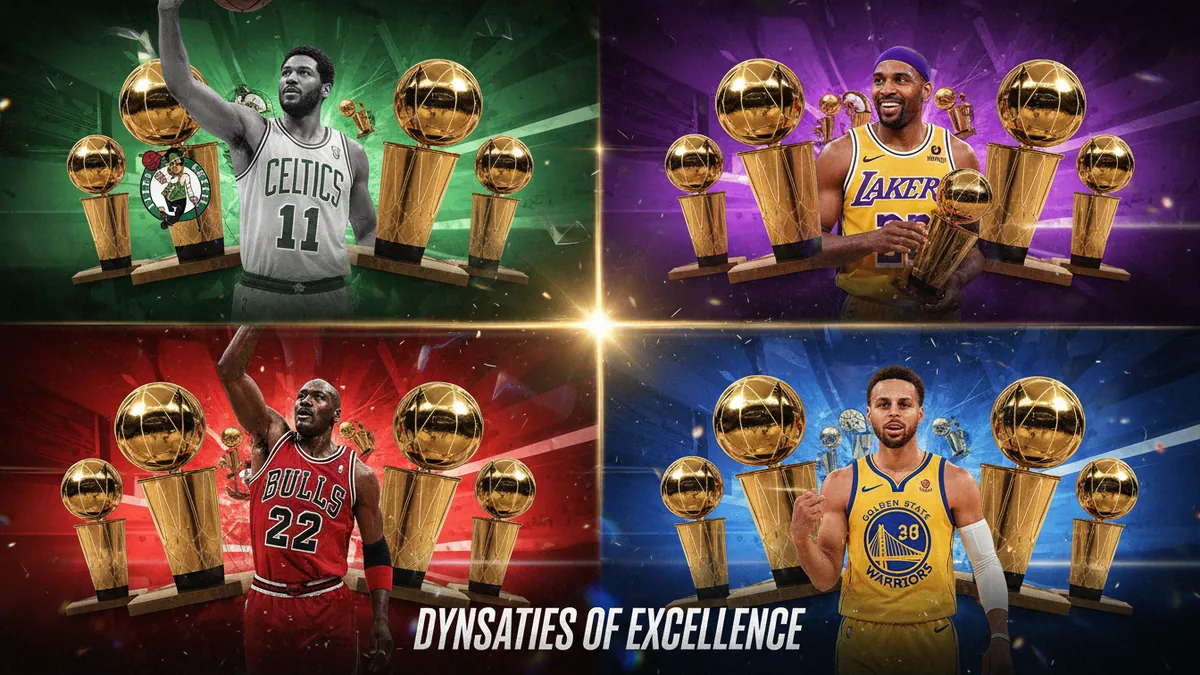
Ranked: The Eight Greatest Dynasties in NBA History and What Made Each One Impossible to Stop
The concept of a dynasty in sports transcends mere championship victories; it signifies a sustained period of unparalleled dominance, a team that not only wins but fundamentally alters the landscape of its sport. In the rich tapestry of NBA history, only a select few franchises have achieved this exalted status, etching their names into the annals of greatness through consistent excellence, iconic players, and often, revolutionary tactical approaches. This article aims to provide a definitive ranking of the eight greatest dynasties in NBA history, offering genuine arguments for each position and, crucially, explaining why each one was impossible to stop. From the untouchable standard set by the Boston Celtics to the tactical revolution sparked by the Golden State Warriors, we will dissect the core elements that made these teams truly legendary.
Defining a dynasty is not merely about counting rings; it's about impact, longevity, and the sheer inevitability of their success. These teams didn't just win; they imposed their will, broke their opponents' spirits, and often changed the way the game was played. Their stories are a testament to strategic brilliance, player development, and the rare confluence of talent and chemistry that creates something truly special. As we delve into each, we will uncover the tactical, personnel, and psychological factors that allowed them to reign supreme, leaving an enduring legacy that continues to shape the NBA today.
What Defines a Dynasty? Setting the Standard
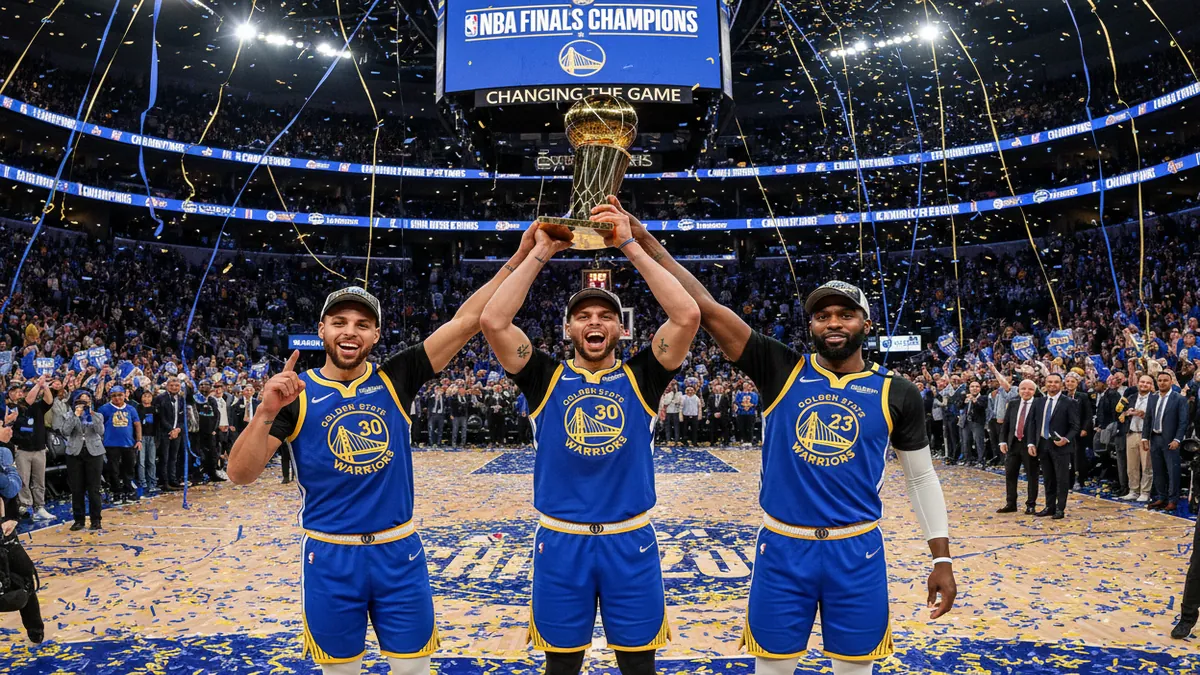
Before embarking on a ranking of the NBA's greatest dynasties, it is essential to establish a clear framework for what constitutes such an elite designation. A dynasty is more than just a championship team; it is a sustained period of dominance characterized by multiple championships, often in quick succession, and a profound impact on the league's competitive landscape and strategic evolution. It implies a level of consistent excellence that transcends individual seasons, demonstrating an organizational stability and a core group of players and coaching staff that can adapt and overcome challenges over time.
Key criteria for defining an NBA dynasty include:
It is this combination of sustained winning, influential personnel, and lasting impact that elevates a great team to dynastic status. The teams on this list didn't just win; they defined eras, set new benchmarks for success, and became synonymous with excellence. Their stories are not just about basketball; they are about the relentless pursuit of perfection and the enduring power of teamwork and individual brilliance.
#1: Boston Celtics 1957-1969 — The Untouchable Record
There is no debate: the Boston Celtics dynasty of 1957-1969 stands as the most dominant and statistically improbable run in the history of professional sports. Winning 11 championships in 13 seasons, including an unprecedented eight consecutive titles from 1959 to 1966, this era of Celtics basketball set a standard of excellence that remains untouchable. What made them impossible to stop was a unique confluence of revolutionary coaching, a selfless superstar, and a roster built for winning above all else.
At the heart of this dynasty was Bill Russell, arguably the greatest winner in team sports history. Russell was not a dominant scorer, but his defensive genius, rebounding prowess, and unparalleled leadership transformed the game. He introduced a new dimension to defense, mastering the art of the weak-side block and initiating fast breaks with pinpoint outlet passes. His focus was entirely on winning, and he instilled that mentality in his teammates. Paired with Russell was the visionary coach Red Auerbach, who prioritized team chemistry, fast-break offense, and defensive intensity. Auerbach was a master at identifying talent that fit his system, often valuing character and specific skills over raw scoring ability.
The Celtics' roster was a collection of Hall of Famers who embraced their roles: Bob Cousy with his dazzling playmaking, John Havlicek with his tireless two-way play, Sam Jones with his clutch shooting, and K.C. Jones as a defensive stopper. They played an unselfish, fluid brand of basketball that emphasized passing, movement, and relentless defense. Their ability to consistently outwork and outthink opponents, particularly the Wilt Chamberlain-led Philadelphia 76ers and the Jerry West/Elgin Baylor-led Los Angeles Lakers, cemented their legendary status. The mathematical impossibility of 11 championships in 13 years speaks to a level of sustained excellence that transcends mere talent; it was a testament to a perfect system, a selfless leader, and an unwavering commitment to victory.
| Year | Champion | Runner-up | Series Score | Finals MVP (since 1969) |
|---|---|---|---|---|
| 1957 | Boston Celtics | St. Louis Hawks | 4-3 | N/A |
| 1959 | Boston Celtics | Minneapolis Lakers | 4-0 | N/A |
| 1960 | Boston Celtics | St. Louis Hawks | 4-3 | N/A |
| 1961 | Boston Celtics | St. Louis Hawks | 4-1 | N/A |
| 1962 | Boston Celtics | Los Angeles Lakers | 4-3 | N/A |
| 1963 | Boston Celtics | Los Angeles Lakers | 4-2 | N/A |
| 1964 | Boston Celtics | San Francisco Warriors | 4-1 | N/A |
| 1965 | Boston Celtics | Los Angeles Lakers | 4-1 | N/A |
| 1966 | Boston Celtics | Los Angeles Lakers | 4-3 | N/A |
| 1968 | Boston Celtics | Los Angeles Lakers | 4-2 | N/A |
| 1969 | Boston Celtics | Los Angeles Lakers | 4-3 | Jerry West |
| Year | Champion | Runner-up | Series Score | Finals MVP |
| 1991 | Chicago Bulls | Los Angeles Lakers | 4-1 | Michael Jordan |
| 1992 | Chicago Bulls | Portland Trail Blazers | 4-2 | Michael Jordan |
| 1993 | Chicago Bulls | Phoenix Suns | 4-2 | Michael Jordan |
| 1996 | Chicago Bulls | Seattle SuperSonics | 4-2 | Michael Jordan |
| 1997 | Chicago Bulls | Utah Jazz | 4-2 | Michael Jordan |
| 1998 | Chicago Bulls | Utah Jazz | 4-2 | Michael Jordan |
| Year | Champion | Runner-up | Series Score | Finals MVP |
| 1980 | Los Angeles Lakers | Philadelphia 76ers | 4-2 | Magic Johnson |
| 1982 | Los Angeles Lakers | Philadelphia 76ers | 4-2 | Magic Johnson |
| 1985 | Los Angeles Lakers | Boston Celtics | 4-2 | Kareem Abdul-Jabbar |
| 1987 | Los Angeles Lakers | Boston Celtics | 4-2 | Magic Johnson |
| 1988 | Los Angeles Lakers | Detroit Pistons | 4-3 | James Worthy |
| Year | Champion | Runner-up | Series Score | Finals MVP |
| 2015 | Golden State Warriors | Cleveland Cavaliers | 4-2 | Andre Iguodala |
| 2017 | Golden State Warriors | Cleveland Cavaliers | 4-1 | Kevin Durant |
| 2018 | Golden State Warriors | Cleveland Cavaliers | 4-0 | Kevin Durant |
| 2022 | Golden State Warriors | Boston Celtics | 4-2 | Stephen Curry |
| Year | Champion | Runner-up | Series Score | Finals MVP |
| 1999 | San Antonio Spurs | New York Knicks | 4-1 | Tim Duncan |
| 2003 | San Antonio Spurs | New Jersey Nets | 4-2 | Tim Duncan |
| 2005 | San Antonio Spurs | Detroit Pistons | 4-3 | Tim Duncan |
| 2007 | San Antonio Spurs | Cleveland Cavaliers | 4-0 | Tony Parker |
| 2014 | San Antonio Spurs | Miami Heat | 4-1 | Kawhi Leonard |
| Year | Champion | Runner-up | Series Score | Finals MVP |
| 2000 | Los Angeles Lakers | Indiana Pacers | 4-2 | Shaquille O'Neal |
| 2001 | Los Angeles Lakers | Philadelphia 76ers | 4-1 | Shaquille O'Neal |
| 2002 | Los Angeles Lakers | New Jersey Nets | 4-0 | Shaquille O'Neal |
| Year | Champion | Runner-up | Series Score | Finals MVP |
| 1989 | Detroit Pistons | Los Angeles Lakers | 4-0 | Joe Dumars |
| 1990 | Detroit Pistons | Portland Trail Blazers | 4-1 | Isiah Thomas |
| Year | Champion | Runner-up | Series Score | Finals MVP |
| 2012 | Miami Heat | Oklahoma City Thunder | 4-1 | LeBron James |
| 2013 | Miami Heat | San Antonio Spurs | 4-3 | LeBron James |
What Every Great Dynasty Had in Common
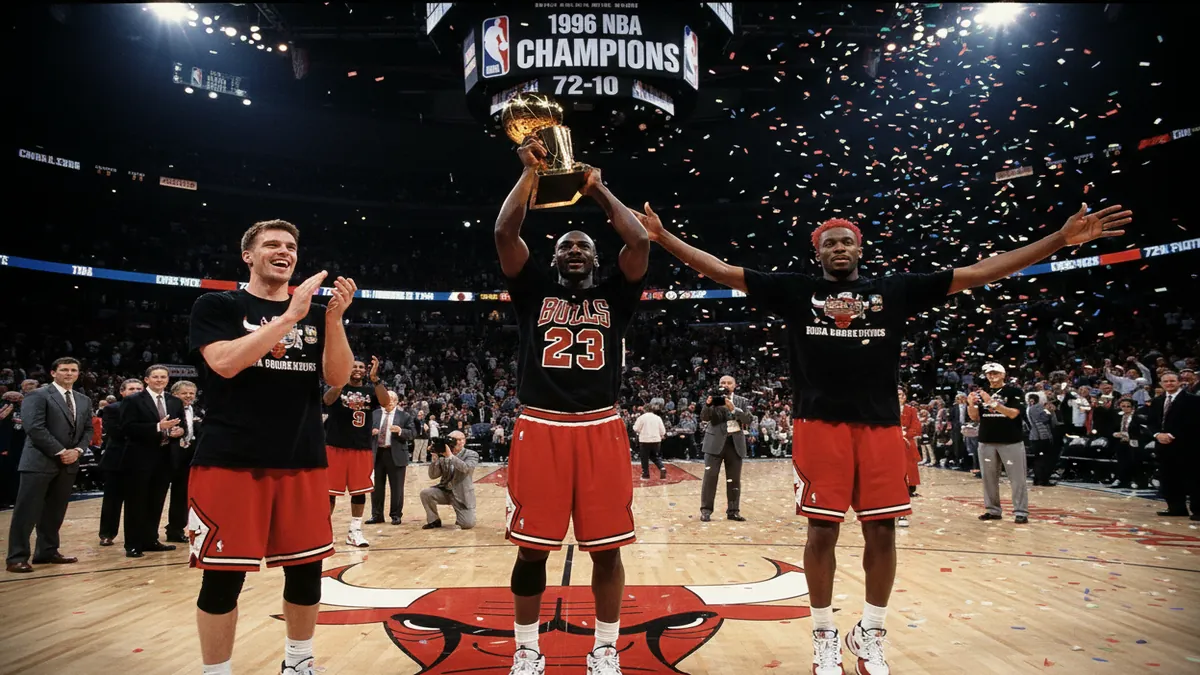
Upon closer examination of these eight legendary NBA dynasties, several common threads emerge, revealing the fundamental ingredients necessary for sustained excellence at the highest level of professional basketball. These shared characteristics underscore that while each dynasty had its unique identity and tactical approach, the underlying principles of success remain remarkably consistent.