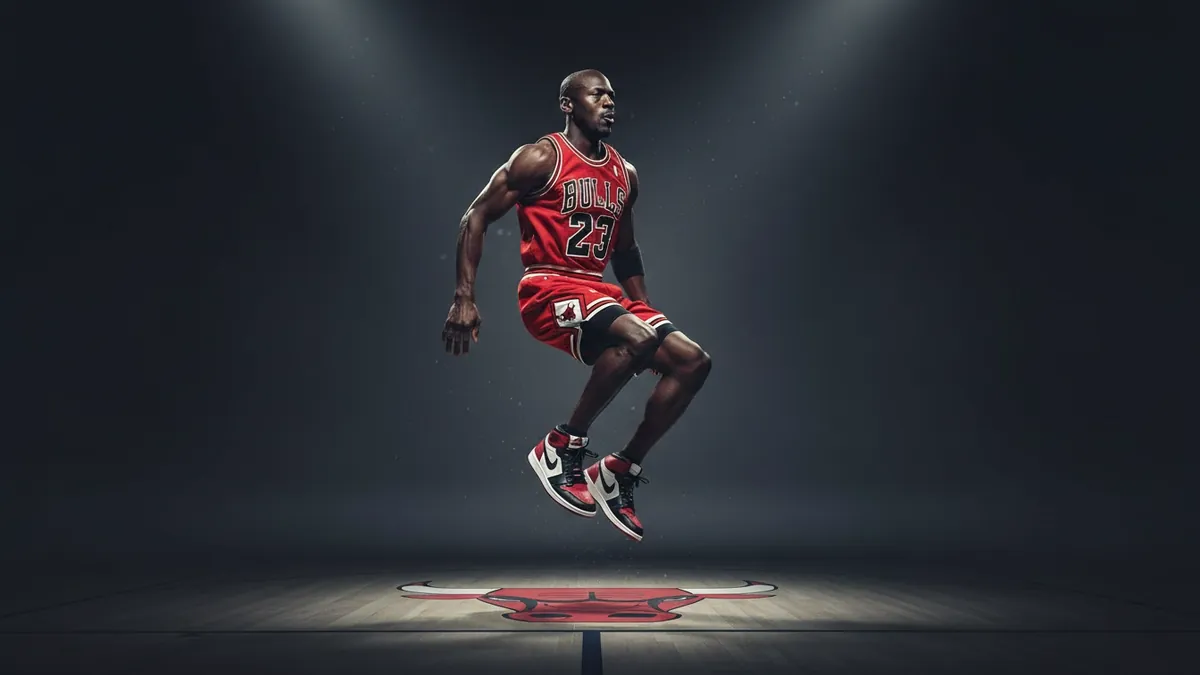
Michael Jordan Net Worth: The $3 Billion Empire of the GOAT
Introduction: The First Billionaire Athlete
Michael Jordan is widely considered the greatest basketball player of all time, but his impact on the world of business is perhaps even more significant. He was the first professional athlete to become a billionaire, and as of 2024, his net worth is estimated by Forbes to be over $3 billion. This staggering wealth is not just a result of his NBA salary—which totaled roughly $94 million over 15 seasons—but rather a masterclass in branding, strategic investments, and the power of the most successful endorsement deal in history. This article explores the multifaceted empire of Michael Jordan, from the Nike deal that changed everything to his record-breaking sale of the Charlotte Hornets.
The Nike Deal That Changed Everything: Jordan Brand
In 1984, a young Michael Jordan was a reluctant signee with Nike. At the time, Nike was a struggling track shoe company, and Jordan preferred Adidas or Converse. However, his mother, Deloris Jordan, convinced him to listen to Nike's pitch. The resulting deal—$500,000 per year for five years plus royalties—was unprecedented for a rookie. Nike expected to sell $3 million worth of Air Jordans in the first four years; instead, they sold $126 million in the first year alone.
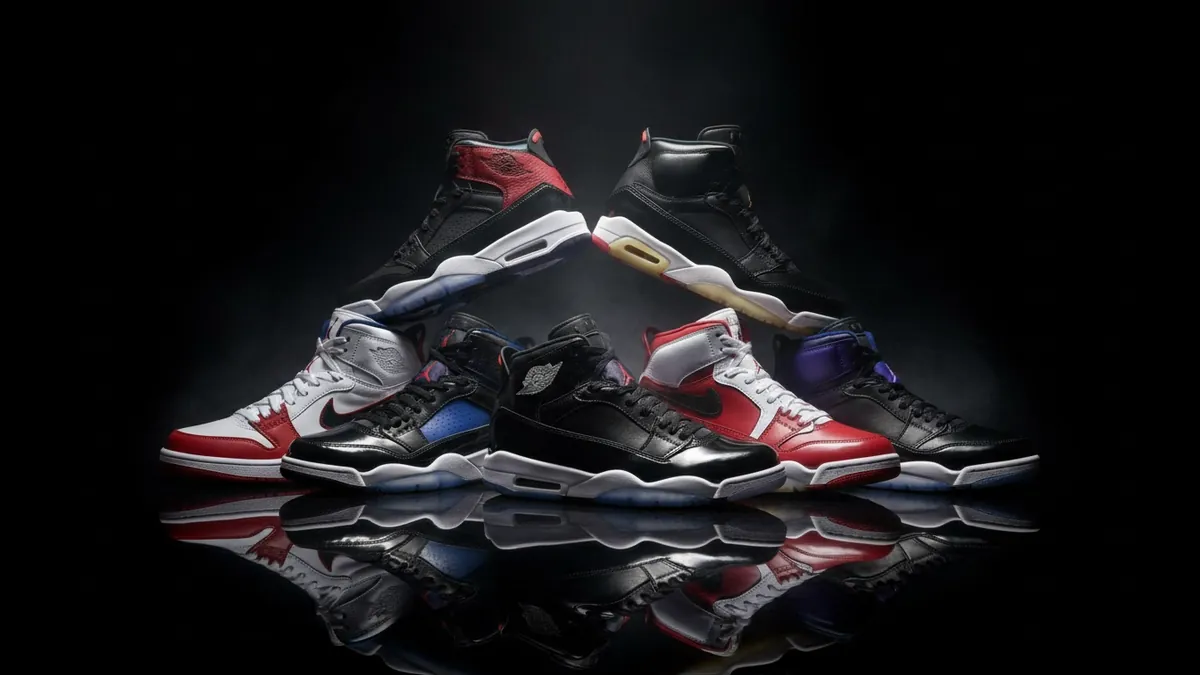
Today, the Jordan Brand is a global behemoth. It generates approximately $6.6 billion in annual revenue for Nike, and Jordan receives a royalty of roughly 5% on every item sold. This means Jordan earns over $300 million annually from Nike alone—more than triple his entire career NBA earnings in a single year. The brand has expanded far beyond basketball shoes, becoming a staple of streetwear and high fashion, and sponsoring elite athletes across multiple sports, including football, soccer, and NASCAR. The "Jumpman" logo is now one of the most recognizable symbols in the world, representing a level of cultural cool that transcends sports.
NBA Salary History: A Legend Underpaid

While Michael Jordan's off-court earnings are astronomical, his NBA salary history is a fascinating look at how the league's economics have evolved. For much of his career, Jordan was arguably the most underpaid athlete in the world. In his rookie season (1984-85), he earned just $550,000. It wasn't until the 1996-97 season that he became the highest-paid player in the league, signing a one-year, $30.1 million contract. He followed that with a $33.1 million contract for the 1997-98 "Last Dance" season.
To put this in perspective, Jordan's total career earnings from NBA salaries amounted to approximately $93.7 million. In today's NBA, many mid-level stars earn that amount in just two or three seasons. However, Jordan's value to the Chicago Bulls and the NBA as a whole was immeasurable. He was the primary driver of the league's global expansion in the 1990s, turning the NBA into a multi-billion dollar enterprise. While his salary was high for the time, it was a fraction of the revenue he generated for his team and the league.
Table 1: Michael Jordan NBA Salary History
| Season | Team | Salary |
|---|---|---|
| 1984-85 | Chicago Bulls | $550,000 |
| 1987-88 | Chicago Bulls | $845,000 |
| 1991-92 | Chicago Bulls | $3,250,000 |
| 1995-96 | Chicago Bulls | $3,850,000 |
| 1996-97 | Chicago Bulls | $30,140,000 |
| 1997-98 | Chicago Bulls | $33,140,000 |
| 2001-02 | Washington Wizards | $1,000,000 |
| Total Career | ~$93.7 Million | |
| Source | Estimated Annual Income | Key Details |
| Nike (Jordan Brand) | $300M+ | 5% royalty on $6.6B revenue |
| Gatorade | $5M - $10M | 30+ year partnership |
| Hanes | $5M - $10M | Long-term apparel deal |
| Upper Deck | $5M - $10M | Memorabilia and trading cards |
| Investments (23XI, etc.) | Variable | Diverse portfolio of 80+ companies |
| Total Estimated | $350M+ | Highest-earning retired athlete |
| Category | Michael Jordan | LeBron James |
| Estimated Net Worth | $3.2 Billion | $1.2 Billion |
| Career NBA Salary | $93.7 Million | $480 Million+ |
| Primary Wealth Driver | Nike Royalties & Hornets Sale | SpringHill Media & Endorsements |
| Team Ownership | Minority (Hornets), 23XI | Minority (Fenway Sports Group) |
| Billionaire Status | Achieved 2014 | Achieved 2022 |
| Metric | Michael Jordan | LeBron James |
| Estimated Net Worth | $3 Billion+ | $1.3 Billion |
| Primary Source | Jordan Brand royalties | Diversified investments |
| Nike Annual Revenue | ~$6 Billion | ~$1 Billion |
| Sports Ownership | 23XI Racing | FSG (Liverpool FC, Red Sox) |
| Age at $1 Billion | ~55 | 37 |
Jordan's financial advantage is primarily the product of the Jordan Brand's extraordinary scale — a $6 billion annual business that generates passive royalty income estimated at $150–200 million per year. No athlete endorsement arrangement in history has come close to matching this sustained passive income structure, making Michael Jordan's financial legacy as dominant as his basketball legacy.
The Jumpman logo — a silhouette of Jordan mid-air during a 1984 photo shoot — has become one of the most recognized symbols in the history of global commerce. It appears on sneakers, apparel, and accessories sold in over 100 countries, generating revenues that dwarf those of many Fortune 500 companies. Michael Jordan earns more money from that single image than most athletes earn in their entire careers. His financial story is ultimately inseparable from his basketball story: both are about a man who refused to accept that there were limits to what he could achieve.
Michael Jordan's financial journey — from a $550,000 rookie salary in 1984 to a $3 billion net worth in 2026 — is the story of an athlete who understood that greatness on the court was only the beginning. The Jumpman soars higher than any basketball could ever reach, and it will continue to do so long after the last jump shot of Jordan's career has been forgotten. In business, as in basketball, Michael Jordan simply does not lose.