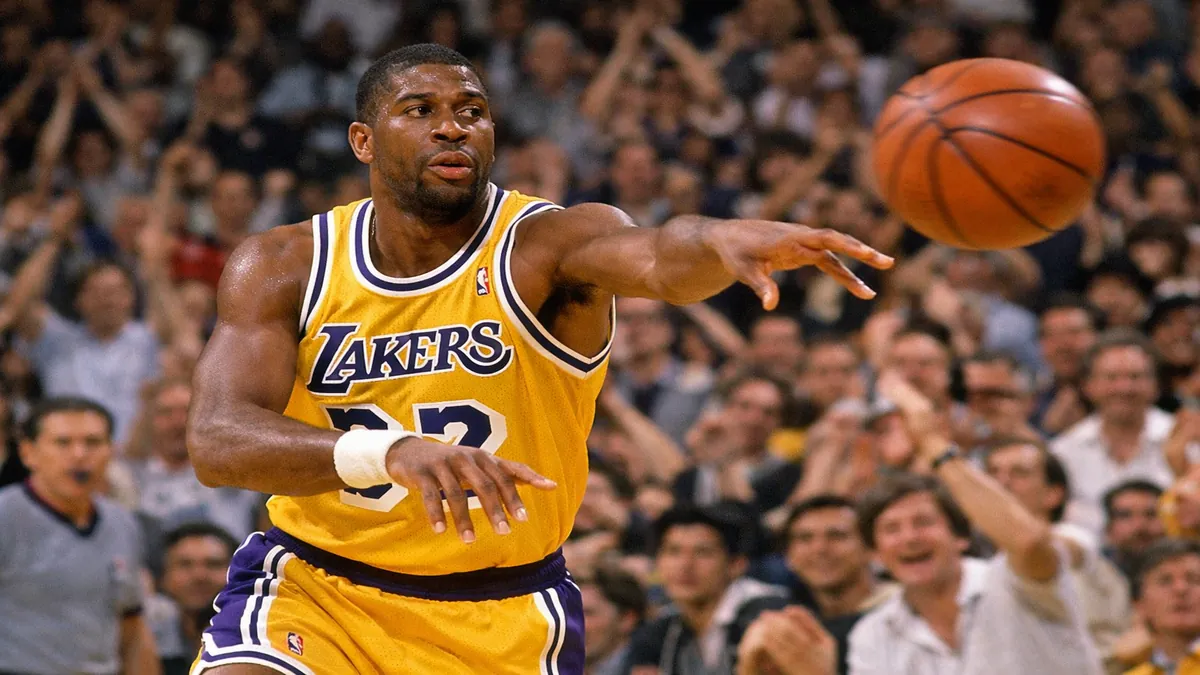
Earvin "Magic" Johnson: The Architect of Showtime
Introduction: The Man Who Saved the NBA
Earvin "Magic" Johnson Jr. is more than just a basketball player; he is a cultural icon, a business mogul, and a symbol of resilience. Standing at 6'9", Johnson revolutionized the point guard position, bringing a level of size, vision, and flair that the league had never seen before. His infectious smile and "Showtime" style of play transformed the Los Angeles Lakers into a global brand and, along with his rival Larry Bird, is widely credited with saving the NBA from financial ruin in the 1980s. This biography delves into the life of the man who made basketball fun again, from his childhood in Michigan to his groundbreaking announcement that changed the world's perception of HIV/AIDS.
Early Life in Lansing: The Birth of a Legend
Earvin Johnson Jr. was born on August 14, 1959, in Lansing, Michigan. He grew up in a large, hardworking family with nine siblings. His father, Earvin Sr., worked at a General Motors plant and ran a trash collection business on the side, while his mother, Christine, was a school cafeteria worker. From a young age, Earvin was instilled with a powerful work ethic. He often helped his father with the trash route, a job that taught him the value of labor and the importance of community.
Basketball was Earvin's escape and his passion. He spent countless hours on the local courts of Lansing, often practicing until his fingers were raw. His nickname, "Magic," was bestowed upon him by a local sports writer, Fred Stabley Jr., after a 15-year-old Earvin recorded a triple-double of 36 points, 18 rebounds, and 16 assists for Everett High School. While his mother, a devout Christian, initially thought the nickname was blasphemous, it stuck, and Earvin "Magic" Johnson was born. At Everett High, he led his team to a state championship, showcasing the passing ability and leadership that would become his trademarks.
The 1979 NCAA Championship: Magic vs. Bird
Johnson chose to stay close to home for college, attending Michigan State University. His sophomore season in 1978-1979 culminated in what remains the most-watched game in the history of college basketball: the NCAA Championship game against Indiana State, led by Larry Bird. This game was the beginning of a rivalry that would define an era of basketball.
Magic's Spartans defeated Bird's undefeated Sycamores 75-64. Johnson was named the tournament's Most Outstanding Player, finishing the game with 24 points and 7 rebounds. The contrast between the two stars—Magic's outgoing, flashy personality and Bird's quiet, stoic demeanor—captured the imagination of the American public. The game drew a staggering 24.1 rating, a record that still stands today. This matchup wasn't just a game; it was the prologue to a decade-long battle for NBA supremacy that would elevate the sport to unprecedented heights.
The Showtime Lakers: A Deep Dive into an Era
The Los Angeles Lakers selected Magic Johnson with the first overall pick in the 1979 NBA Draft. His arrival coincided with the purchase of the team by Dr. Jerry Buss, a visionary owner who wanted to turn Lakers games into a Hollywood spectacle. Under the guidance of coaches like Jack McKinney, Paul Westhead, and eventually the legendary Pat Riley, the "Showtime" Lakers were born.
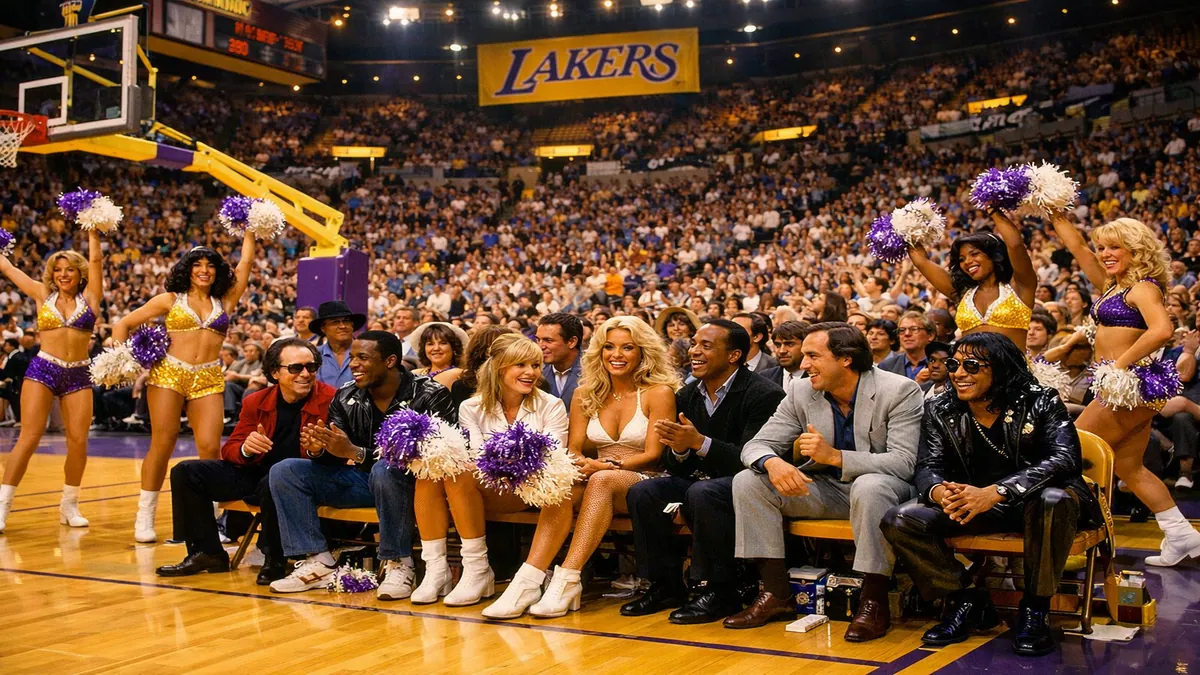
Showtime was characterized by a relentless fast-break offense, with Magic at the center of it all. He would grab a rebound and immediately sprint downcourt, firing no-look passes to teammates like James Worthy, Byron Scott, and Kareem Abdul-Jabbar. The Lakers didn't just win; they won with style. The Forum became the place to be, with celebrities like Jack Nicholson sitting courtside to witness the most exciting brand of basketball ever played. During the 1980s, the Lakers reached the NBA Finals eight times, winning five championships. Magic was the engine that drove this machine, earning three league MVPs and three Finals MVPs during this golden era.
1980 Finals Game 6: The Greatest Performance in History
Perhaps the most legendary moment of Magic's career occurred during his rookie season. In the 1980 NBA Finals against the Philadelphia 76ers, the Lakers held a 3-2 lead but faced a crisis: their superstar center, Kareem Abdul-Jabbar, was sidelined with a severely sprained ankle. As the team boarded the plane for Philadelphia for Game 6, the 20-year-old Magic sat in Kareem's usual seat and told his teammates, "Never fear, E.J. is here."
In one of the most versatile performances in sports history, Magic started the game at center but played every position on the floor. He finished with 42 points, 15 rebounds, 7 assists, and 3 steals. The Lakers won 123-107, clinching the championship. Magic became the first and only rookie to win the NBA Finals MVP award. This performance solidified his status as a superstar and proved that he was a winner who could rise to any occasion, regardless of the odds.
The HIV Announcement: A Global Turning Point
On November 7, 1991, the world stood still. In a televised press conference, Magic Johnson announced that he had tested positive for HIV and would be retiring from the Lakers immediately. At the time, HIV/AIDS was widely misunderstood and carried a heavy social stigma, often associated only with the LGBTQ+ community and intravenous drug users. Magic's announcement as a heterosexual sports icon shattered these misconceptions.
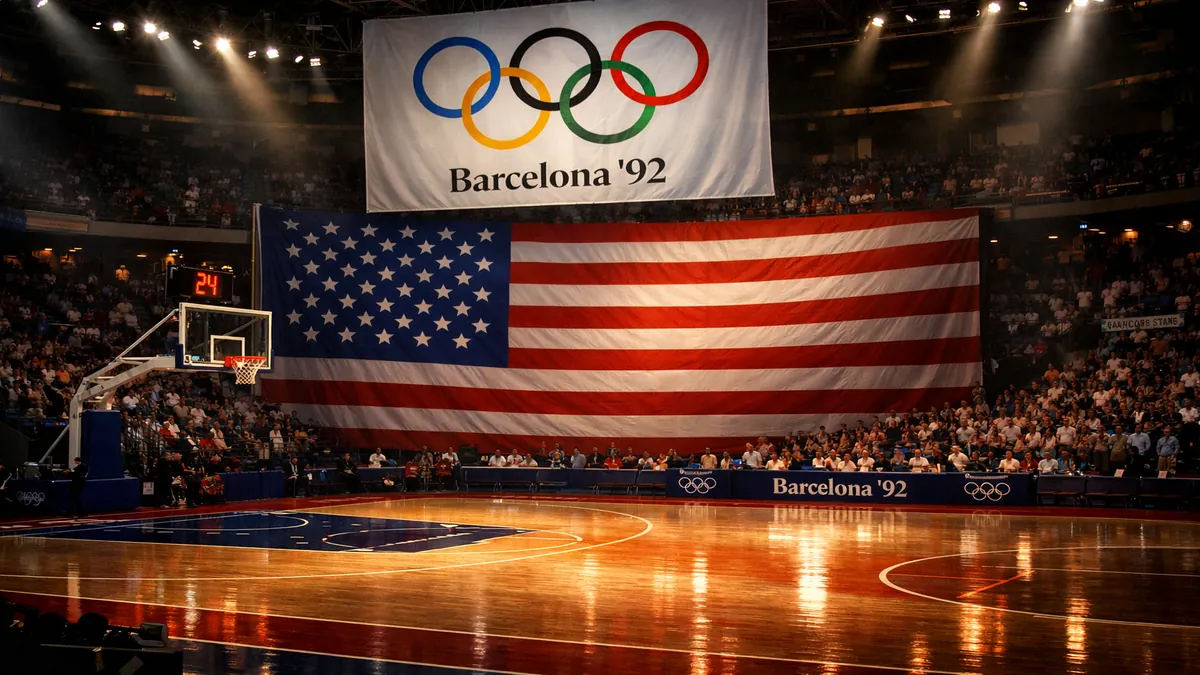
His courage in going public saved countless lives. He became a leading advocate for HIV/AIDS awareness and prevention, using his platform to educate the public and push for better funding and research. Despite his retirement, fans voted him into the 1992 NBA All-Star Game, where he won the MVP award in an emotional performance. He also joined the "Dream Team" for the 1992 Barcelona Olympics, helping the U.S. win the gold medal and further humanizing the virus on a global stage. Magic's resilience in the face of a then-terminal diagnosis remains one of his greatest legacies.
Magic Johnson Enterprises: The Business of Magic
After his playing days, Magic Johnson transitioned into one of the most successful businessmen in the world. He founded Magic Johnson Enterprises (MJE) with a mission to bring high-quality businesses and services to underserved urban communities. One of his most famous deals was a partnership with Starbucks, where he opened over 100 stores in inner-city neighborhoods, proving that these areas were viable markets for major corporations.
His business portfolio is vast, including ownership stakes in the Los Angeles Dodgers, the Los Angeles Sparks, and the Washington Commanders. He also invested in movie theaters, real estate, and financial services. Today, Magic Johnson's net worth is estimated to be over $600 million, making him a blueprint for athletes looking to build wealth and influence beyond their sports careers. His success in the boardroom is a testament to the same vision and leadership he displayed on the basketball court.
Career Statistics and Achievements
Magic Johnson's career is defined by his incredible ability to facilitate for others. He remains the NBA's all-time leader in average assists per game and is widely considered the greatest point guard to ever play the game.
Table 1: Magic Johnson Career Averages
| Category | Statistic | ||
|---|---|---|---|
| Points Per Game (PPG) | 19.5 | ||
| Assists Per Game (APG) | 11.2 (NBA Record) | ||
| Rebounds Per Game (RPG) | 7.2 | ||
| Field Goal Percentage (FG%) | 52.0% | ||
| Free Throw Percentage (FT%) | 84.8% | ||
| Steals Per Game (SPG) | 1.9 | ||
| Triple-Doubles | 138 | ||
| Year | Opponent | Result | Magic's Role |
| 1980 | Philadelphia 76ers | 4-2 | Finals MVP, 42 pts in Game 6 |
| 1982 | Philadelphia 76ers | 4-2 | Finals MVP, Triple-Double in Game 6 |
| 1985 | Boston Celtics | 4-2 | First time Lakers beat Celtics in Finals |
| 1987 | Boston Celtics | 4-2 | Finals MVP, "Junior Skyhook" in Game 4 |
| 1988 | Detroit Pistons | 4-3 | Back-to-back titles, first since 1969 |
| Category | Magic Johnson | Larry Bird | |
| NBA Championships | 5 | 3 | |
| League MVPs | 3 | 3 | |
| Finals MVPs | 3 | 2 | |
| Career PPG | 19.5 | 24.3 | |
| Career APG | 11.2 | 6.3 | |
| Career RPG | 7.2 | 10.0 | |
| Stat | Career Average | ||
| Points Per Game | 19.5 | ||
| Assists Per Game | 11.2 | ||
| Rebounds Per Game | 7.2 | ||
| Steals Per Game | 1.9 | ||
| Field Goal % | 52.0% | ||
| Games Played | 906 |
His career assists average of 11.2 per game is the highest in NBA history, a figure that reflects his extraordinary vision and basketball intelligence. In 1984-85, he averaged 18.3 points, 12.6 assists, and 6.2 rebounds per game — a statistical line that no point guard in the modern era has consistently replicated. His five championships, three MVP awards, and three Finals MVP awards place him firmly in the conversation for the greatest point guard of all time, ahead of Oscar Robertson, Jerry West, and any contemporary comparison.