The Windy City Dynasty: A Comprehensive History of the Chicago Bulls
Introduction: The Global Icon of Basketball
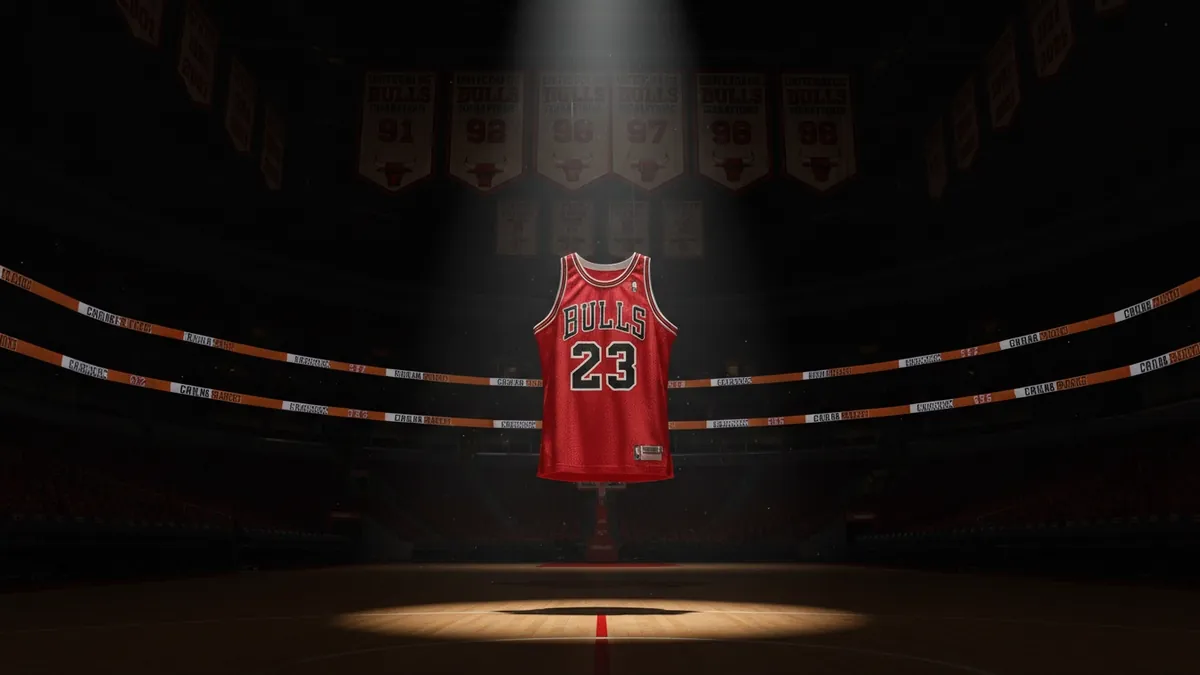
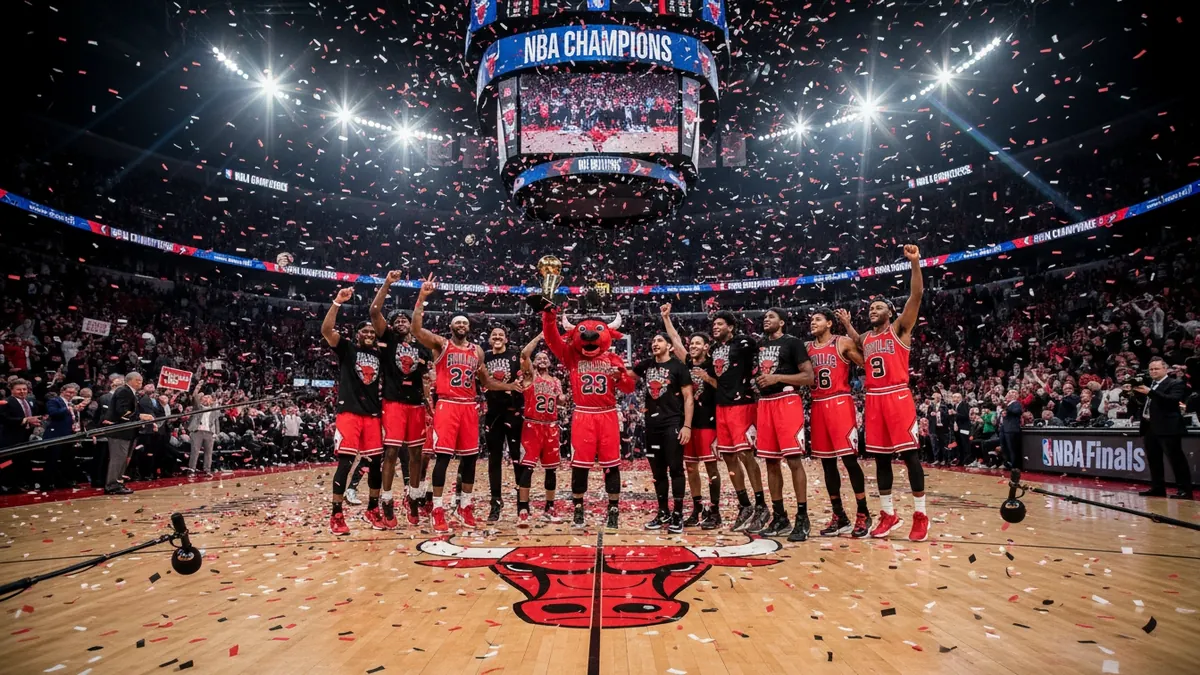
The Chicago Bulls are more than just a professional basketball team; they are a global cultural phenomenon. Founded in 1966, the franchise spent its first two decades as a competitive but ultimately unsuccessful team in the shadow of the league's more established powers. However, the arrival of Michael Jordan in 1984 transformed the Bulls into the most dominant force in sports history. During the 1990s, the Bulls won six NBA championships in eight years, achieving two separate "three-peats" and setting a then-record 72 wins in a single season. This article explores the rich history of the Chicago Bulls, from their early struggles to the legendary Jordan era and the post-dynasty years that followed.
Founding 1966: The Early Years and the Bob Love Era
The Chicago Bulls were founded in 1966 as the third NBA franchise in the city's history, following the Stags and the Zephyrs. Under the leadership of owner Dick Klein and coach Johnny "Red" Kerr, the Bulls made the playoffs in their very first season, a feat that remains a rarity for expansion teams. The early 1970s were defined by a gritty, defensive-minded team led by stars like Bob Love, Chet Walker, Jerry Sloan, and Norm Van Lier. This group, coached by Dick Motta, was known for its toughness and reached the Western Conference Finals in 1974 and 1975.
Despite their competitiveness, the Bulls of the 1970s were never able to reach the NBA Finals, often falling to legendary teams like the Milwaukee Bucks and the Golden State Warriors. By the late 1970s and early 1980s, the team's performance declined, and attendance at the Chicago Stadium plummeted. The franchise was in desperate need of a spark, a player who could not only win games but also capture the imagination of the city. That spark arrived in the 1984 NBA Draft, a moment that would change the course of sports history forever.
Jordan Arrives 1984: The Transformation Begins
In the 1984 NBA Draft, the Chicago Bulls selected Michael Jordan, a junior from the University of North Carolina, with the third overall pick. Jordan's impact was immediate and profound. He won the Rookie of the Year award, averaging 28.2 points per game and leading the Bulls back to the playoffs. His high-flying dunks and incredible scoring ability turned the Bulls into a must-see attraction, and the "Air Jordan" phenomenon was born. However, despite Jordan's individual brilliance, the Bulls struggled to get past the first round of the playoffs in his early years.
The late 1980s saw the Bulls slowly build a supporting cast around Jordan. The team hired Jerry Krause as general manager, who made several key moves, including drafting Scottie Pippen and Horace Grant in 1987. The hiring of Phil Jackson as head coach in 1989 was the final piece of the puzzle. Jackson implemented the "Triangle Offense," which emphasized ball movement and teamwork, allowing Jordan to become a more efficient scorer and a better leader. The Bulls were finally ready to challenge the league's elite, setting the stage for a decade of unprecedented dominance.
First Three-Peat 1991–1993: Overcoming the Pistons
The Bulls' first championship run began in the 1990-1991 season. After years of being physically bullied by the "Bad Boy" Detroit Pistons, the Bulls finally swept their rivals in the Eastern Conference Finals. They went on to defeat Magic Johnson and the Los Angeles Lakers in the NBA Finals, winning the series 4-1. Jordan was named Finals MVP, and the city of Chicago celebrated its first-ever NBA title. This victory signaled a passing of the torch from the stars of the 1980s to the new dynasty of the 1990s.
The Bulls followed their first title with two more in 1992 and 1993. In 1992, they defeated the Portland Trail Blazers in six games, highlighted by Jordan's "shrug" after hitting six three-pointers in the first half of Game 1. In 1993, they faced Charles Barkley and the Phoenix Suns in a hard-fought series that ended with John Paxson's legendary game-winning three-pointer in Game 6. The Bulls became the first team since the 1960s Celtics to win three consecutive championships. However, the joy of the third title was short-lived, as Jordan's father was tragically murdered that summer, leading to Jordan's shocking retirement from basketball to pursue a career in professional baseball.
Table 1: The First Three-Peat (1991–1993)
| Year | Opponent | Result | Finals MVP | Key Moment | |
|---|---|---|---|---|---|
| 1991 | LA Lakers | 4-1 | Michael Jordan | Jordan's mid-air hand switch layup | |
| 1992 | Portland Trail Blazers | 4-2 | Michael Jordan | The "Shrug" Game (6 first-half 3PM) | |
| 1993 | Phoenix Suns | 4-2 | Michael Jordan | John Paxson's Game 6 winning 3-pointer | |
| Year | Opponent | Result | Finals MVP | Key Moment | |
| 1996 | Seattle SuperSonics | 4-2 | Michael Jordan | 72-10 regular season record | |
| 1997 | Utah Jazz | 4-2 | Michael Jordan | The "Flu Game" (Jordan's 38 pts while ill) | |
| 1998 | Utah Jazz | 4-2 | Michael Jordan | "The Last Shot" over Bryon Russell | |
| Player | Years | PPG | RPG | APG | Key Accolades |
| Michael Jordan | 1984–1998 | 31.5 | 6.3 | 5.4 | 6 Rings, 5 MVPs, 6 Finals MVPs |
| Scottie Pippen | 1987–1998 | 17.7 | 6.7 | 5.3 | 6 Rings, 7x All-Star, 10x All-Defensive |
| Bob Love | 1968–1976 | 21.3 | 6.8 | 1.7 | 3x All-Star, #10 Retired |
| Jerry Sloan | 1966–1976 | 14.7 | 7.7 | 2.6 | 2x All-Star, #4 Retired |
| Derrick Rose | 2008–2016 | 19.7 | 3.7 | 6.2 | 2011 MVP, 3x All-Star |
| Artis Gilmore | 1976–1982 | 19.3 | 11.1 | 2.5 | 4x All-Star, Hall of Fame |
| Dennis Rodman | 1995–1998 | 5.2 | 15.3 | 2.8 | 3 Rings, 3x Rebounding Title |
Legacy: The House That Jordan Built
The legacy of the Chicago Bulls is one of excellence, resilience, and global impact. The team's success in the 1990s didn't just win championships; it changed the way basketball was marketed and consumed around the world. The United Center, often called "The House That Jordan Built," remains one of the most iconic arenas in sports, and the statue of Michael Jordan in front of it is a place of pilgrimage for fans from every corner of the globe.
Today, the Bulls continue to strive for the same level of greatness that defined the dynasty years. While they have yet to return to the NBA Finals, the franchise remains one of the most valuable and popular in the league. The red, black, and white colors of the Bulls are a symbol of a time when Chicago was the center of the basketball universe. Whether through the memories of the six championships or the hope of a new generation of stars, the Chicago Bulls will always be a cornerstone of NBA history, a $6 billion testament to the power of a dynasty and the enduring spirit of the Windy City.