Boston Celtics History: The Standard of Basketball Royalty
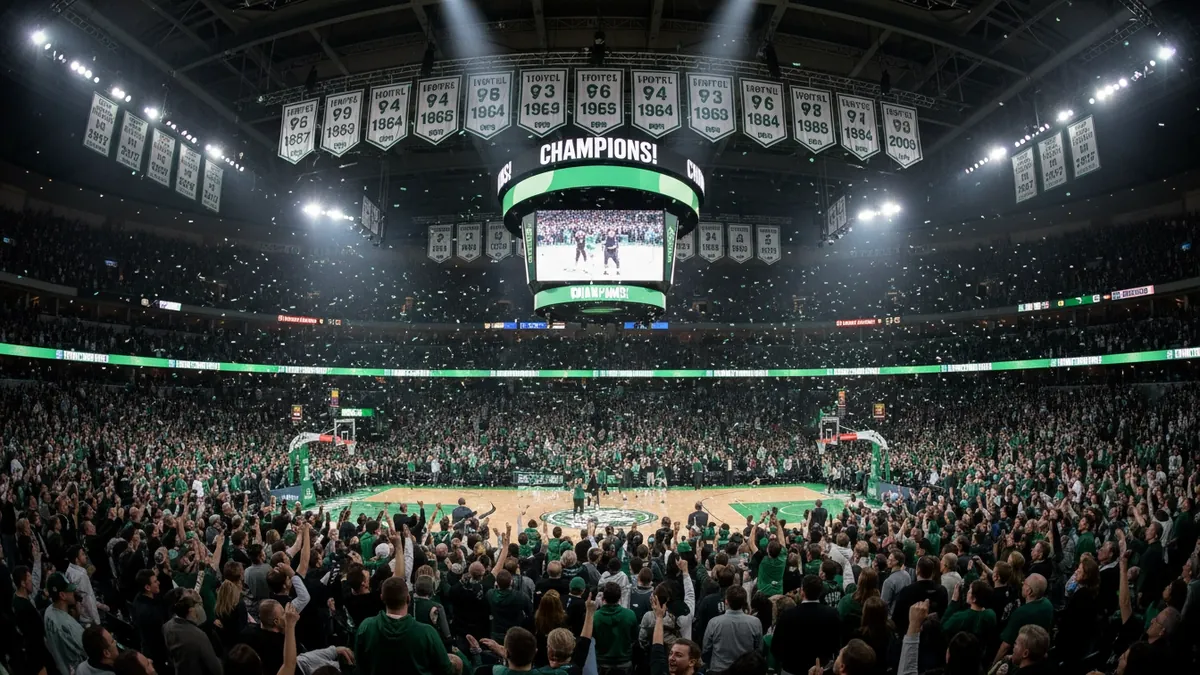
In the grand tapestry of American professional sports, few franchises command the reverence and historical weight of the Boston Celtics. Their name alone conjures images of parquet floors, championship banners, and a lineage of legends that stretches back to the very dawn of the National Basketball Association. With an unparalleled 18 NBA championships, the Celtics are not merely a successful team; they are the standard of basketball royalty, a franchise whose history is inextricably linked with the evolution of the game itself. Their journey is a narrative of sustained excellence, fierce rivalries, and an unwavering commitment to winning that has defined generations of players and fans.
This article delves into the illustrious history of the Boston Celtics, exploring the foundational principles laid by Red Auerbach, the unparalleled dynasty of Bill Russell, the resurgence led by Larry Bird, and the modern era of success culminating in their 18th championship. We will examine the key figures, pivotal moments, and enduring rivalries that have shaped the Celtics' identity, illustrating how they have consistently set the benchmark for success in professional basketball. Through detailed analysis and historical context, we will uncover what makes the Celtics a truly unique and enduring institution in the world of sports.
The Genesis of a Dynasty: Red Auerbach and the Early Years
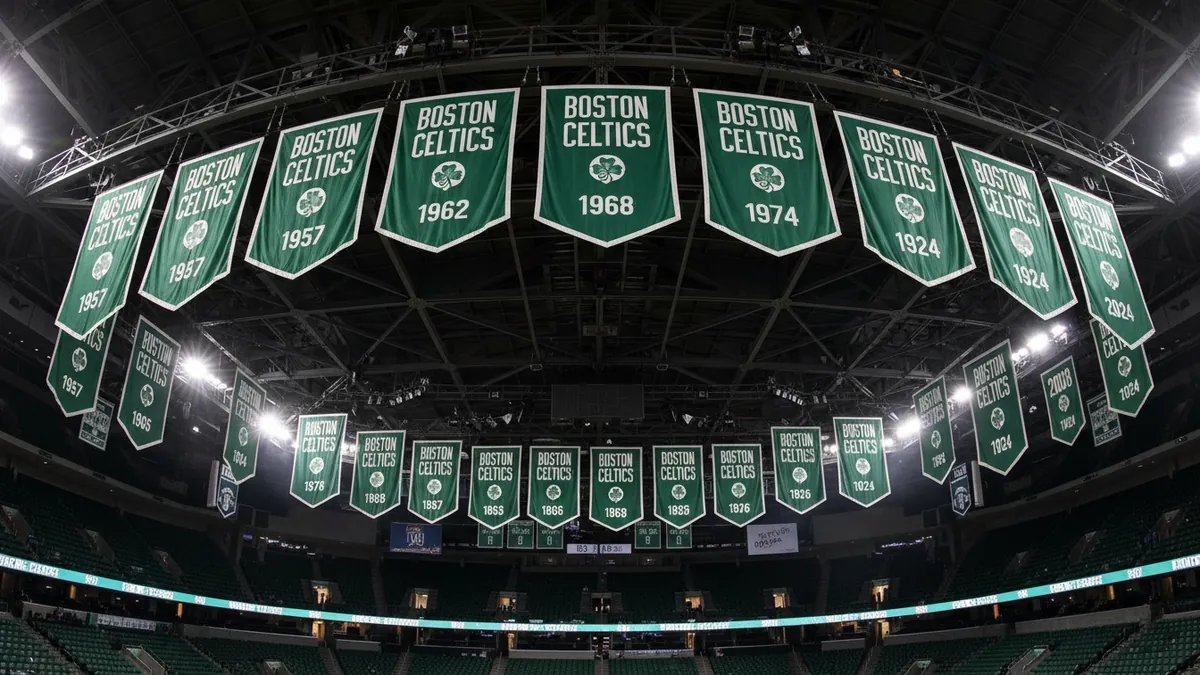
The Boston Celtics were founded in 1946 as one of the original franchises of the Basketball Association of America (BAA), which later became the NBA. For their first few years, the team struggled to find consistent success. That all changed in 1950 with the hiring of Arnold "Red" Auerbach as head coach. Auerbach was a visionary, a shrewd tactician, and a master of player evaluation who would lay the groundwork for the greatest dynasty in sports history.
Auerbach's philosophy was simple: prioritize team play, defense, and unselfishness. He was also a pioneer in breaking racial barriers, drafting the NBA's first African American player, Chuck Cooper, in 1950, and later assembling the league's first all-black starting five. His most impactful move, however, came in 1956 when he orchestrated a trade that brought Bill Russell to Boston.
Russell, a defensive marvel from the University of San Francisco, was the missing piece. His arrival, combined with the talents of Bob Cousy, Bill Sharman, and Tom Heinsohn, immediately transformed the Celtics into a championship contender. Auerbach's ability to identify talent, foster team chemistry, and implement a winning system created an environment where excellence became the expectation.
The Russell Dynasty: 11 Championships in 13 Years
The period from 1957 to 1969 is arguably the most dominant stretch by any team in professional sports history. Led by Bill Russell, the Boston Celtics won 11 NBA championships in 13 seasons, including an unprecedented eight consecutive titles from 1959 to 1966. This dynasty was built on Russell's unparalleled defensive prowess, his rebounding dominance, and his innate ability to elevate the play of his teammates.
Russell was not a prolific scorer, but his impact on the game was immeasurable. He revolutionized defense, turning shot-blocking into an art form and anchoring a suffocating defensive scheme that stifled opponents. His rivalry with Wilt Chamberlain, while often framed as an individual battle, was more accurately a clash of philosophies: Russell's team-first defense versus Chamberlain's individual offensive brilliance. In the end, Russell's Celtics consistently emerged victorious.
Beyond Russell, the dynasty featured a rotating cast of Hall of Famers, including Bob Cousy, the original point guard magician; Sam Jones, a clutch scorer; and John Havlicek, the ultimate two-way player. Auerbach, who retired from coaching in 1966 but remained as general manager, continued to pull the strings, ensuring the team remained competitive even as key players retired. The Russell era established the Celtics as the gold standard for winning in the NBA, setting a benchmark that no other franchise has come close to matching.
Celtics Championship Timeline (Russell Era)
| Season | Head Coach | Key Players | Finals Opponent | Finals MVP (if awarded) |
|---|---|---|---|---|
| 1956-57 | Red Auerbach | Bill Russell, Bob Cousy | St. Louis Hawks | N/A |
| 1958-59 | Red Auerbach | Bill Russell, Bob Cousy | Minneapolis Lakers | N/A |
| 1959-60 | Red Auerbach | Bill Russell, Bob Cousy | St. Louis Hawks | N/A |
| 1960-61 | Red Auerbach | Bill Russell, Bob Cousy | St. Louis Hawks | N/A |
| 1961-62 | Red Auerbach | Bill Russell, Bob Cousy | Los Angeles Lakers | N/A |
| 1962-63 | Red Auerbach | Bill Russell, Bob Cousy | Los Angeles Lakers | N/A |
| 1963-64 | Red Auerbach | Bill Russell, Bob Cousy | San Francisco Warriors | N/A |
| 1964-65 | Red Auerbach | Bill Russell, Bob Cousy | Los Angeles Lakers | N/A |
| 1965-66 | Red Auerbach | Bill Russell, Bob Cousy | Los Angeles Lakers | N/A |
| 1967-68 | Bill Russell | Bill Russell, John Havlicek | Los Angeles Lakers | N/A |
| 1968-69 | Bill Russell | Bill Russell, John Havlicek | Los Angeles Lakers | N/A |
| Player | Position | Years with Celtics | Championships | |
| Larry Bird | Small Forward | 1979-1992 | 3 | |
| Kevin McHale | Power Forward | 1980-1993 | 3 | |
| Robert Parish | Center | 1980-1994 | 3 | |
| Dennis Johnson | Point Guard | 1983-1990 | 2 | |
| Danny Ainge | Shooting Guard | 1981-1989 | 2 |
The Long Drought and the Return to Glory (2008)
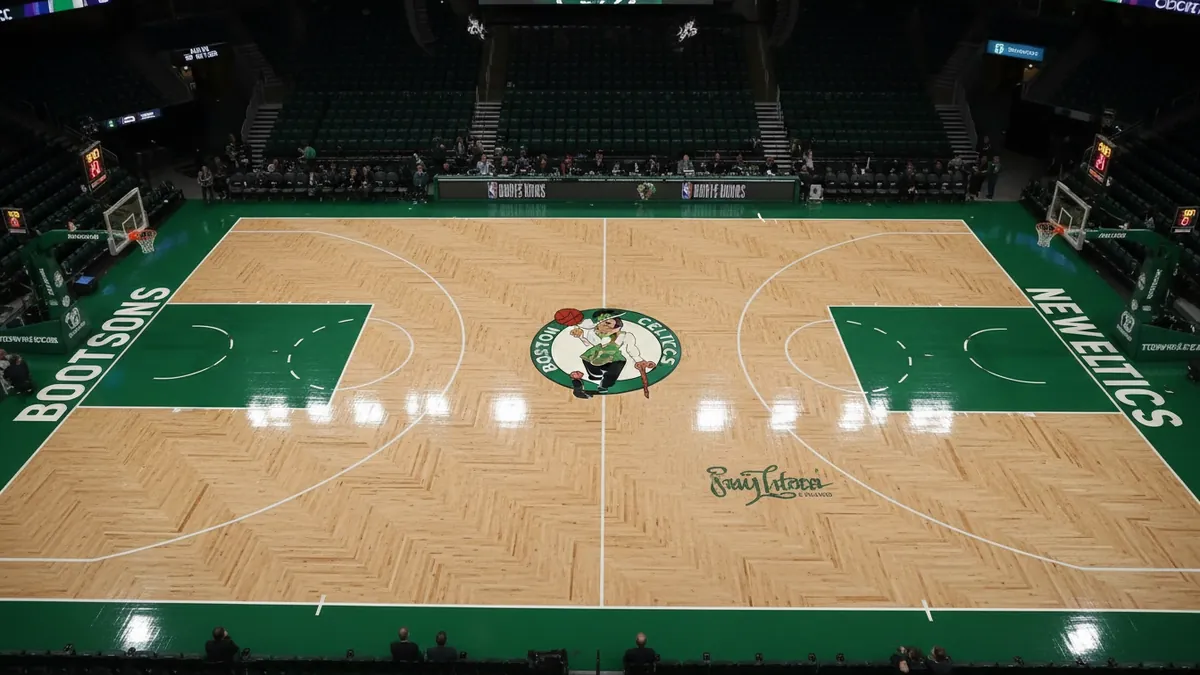
After the retirement of Larry Bird in 1992, the Celtics entered a prolonged period of mediocrity. The 1990s and early 2000s were marked by losing seasons, coaching changes, and a struggle to find a new identity. The franchise, once synonymous with winning, endured one of the longest championship droughts in its history.
That drought finally ended in 2008 with the formation of a new "Big Three." General Manager Danny Ainge, a former Celtics player, orchestrated two blockbuster trades that brought Kevin Garnett and Ray Allen to Boston, joining established star Paul Pierce. This trio, along with a strong supporting cast and the coaching of Doc Rivers, immediately transformed the Celtics into a championship contender.
In their first season together, the new Big Three led the Celtics to a league-best 66 wins and a dominant run through the playoffs. They faced their old rivals, the Los Angeles Lakers, in the NBA Finals, a matchup that rekindled the historic rivalry. The Celtics defeated the Lakers in six games, securing their 17th NBA championship and ending a 22-year drought. Paul Pierce was named Finals MVP, a fitting reward for his loyalty and perseverance through the lean years.
This championship was a testament to the enduring power of the Celtics' legacy. Even after decades of struggle, the allure of playing for the green and white, and the opportunity to add to its storied history, remained a powerful draw for elite talent. The 2008 title proved that the Celtics' championship DNA was still very much alive.
The Modern Era: Tatum, Brown, and the 18th Banner
Following the breakup of the 2008 championship team, the Celtics once again entered a period of rebuilding. However, this time, the process was quicker and more strategic. Through a series of shrewd draft picks and trades, the Celtics assembled a talented young core featuring Jayson Tatum and Jaylen Brown, two dynamic wings who would become the cornerstones of the next era.
Tatum and Brown, often referred to as the "Jays," quickly developed into All-Stars, leading the Celtics to multiple Eastern Conference Finals appearances. However, like many young teams, they experienced their share of heartbreak and near-misses, including a loss in the 2022 NBA Finals. These experiences, while painful, forged a resilient and determined squad.
The 2023-24 season saw the Celtics assemble arguably their most talented roster since the Bird era. With the additions of Kristaps Porzingis and Jrue Holiday, the team became a dominant force on both ends of the floor, finishing the regular season with a league-best 64 wins. They entered the playoffs as heavy favorites, determined to finally break through and add another banner to the Garden rafters.
Their playoff run was a display of their collective strength and depth. They navigated through the Eastern Conference with relative ease, showcasing their balanced attack and suffocating defense. In the NBA Finals, they faced the Dallas Mavericks, led by the brilliant Luka Doncic. The Celtics, however, proved to be too much, defeating the Mavericks in five games to secure their record-breaking 18th NBA championship.
Jayson Tatum, the team's undisputed leader, delivered a masterful performance throughout the playoffs, showcasing his growth as a playmaker and a leader. While the Finals MVP award went to Jaylen Brown, it was a collective effort that highlighted the depth and talent of the entire roster. The 18th banner solidified the Celtics' place in history, reaffirming their status as the most successful franchise in NBA history.
The Standard of Basketball Royalty
The Boston Celtics' history is a testament to the enduring power of a winning culture, a commitment to excellence, and the ability to adapt and evolve while staying true to core principles. From Red Auerbach's foundational vision to Bill Russell's defensive dominance, Larry Bird's all-around brilliance, and the modern era of Tatum and Brown, the Celtics have consistently set the standard for success in professional basketball.
Their 18 NBA championships are more than just a number; they represent a legacy of greatness that has inspired generations of players and fans. The Celtics are not just a team; they are an institution, a symbol of what can be achieved when talent, teamwork, and an unwavering will to win come together. As the NBA continues to evolve, the Boston Celtics will undoubtedly remain at the forefront, forever serving as the benchmark for basketball royalty.