2018 FIFA World Cup: Complete Review
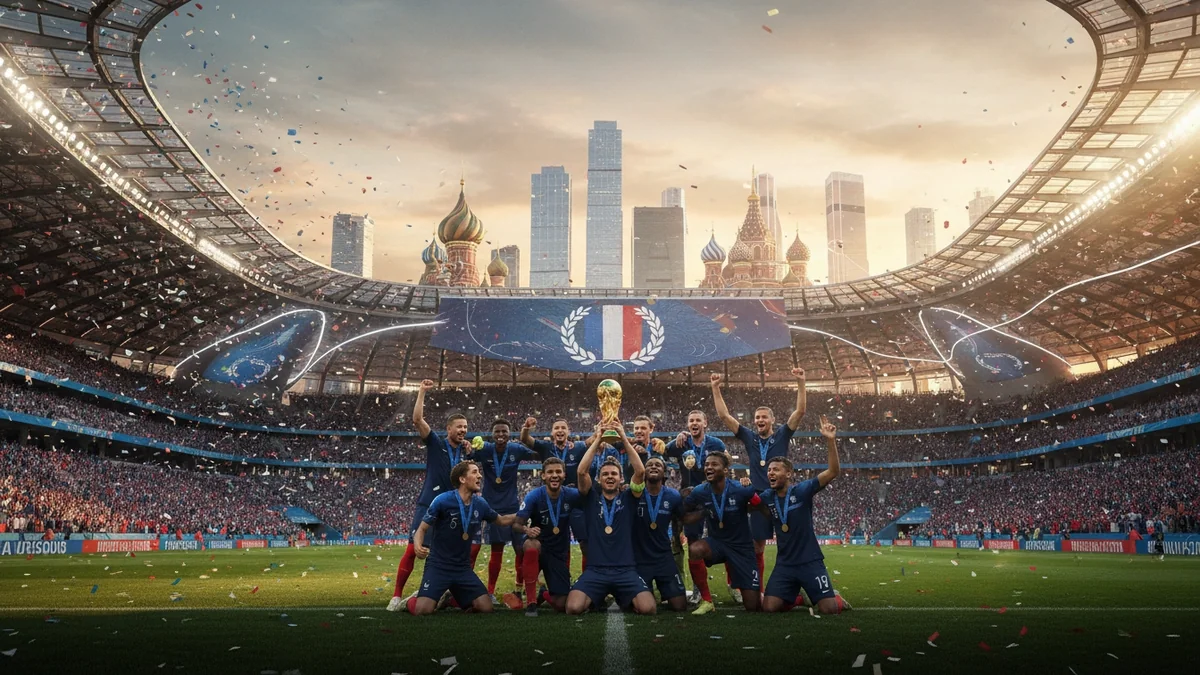
The 2018 FIFA World Cup in Russia was a vibrant spectacle that captivated audiences worldwide, delivering a month of thrilling football, unexpected upsets, and unforgettable moments. Held across 11 cities from June 14 to July 15, 2018, this tournament marked the first time the World Cup was hosted in Eastern Europe, showcasing Russia's rich culture and hospitality. It was a competition defined by its high goal count, the widespread adoption of Video Assistant Referee (VAR) technology, and the crowning of a deserving champion in France. This comprehensive review delves into the key aspects of the tournament, from its organizational triumphs to the iconic matches and individual performances that shaped its narrative, solidifying its place as one of the most memorable World Cups in recent history.
Russia's Grand Stage: Preparations and Atmosphere
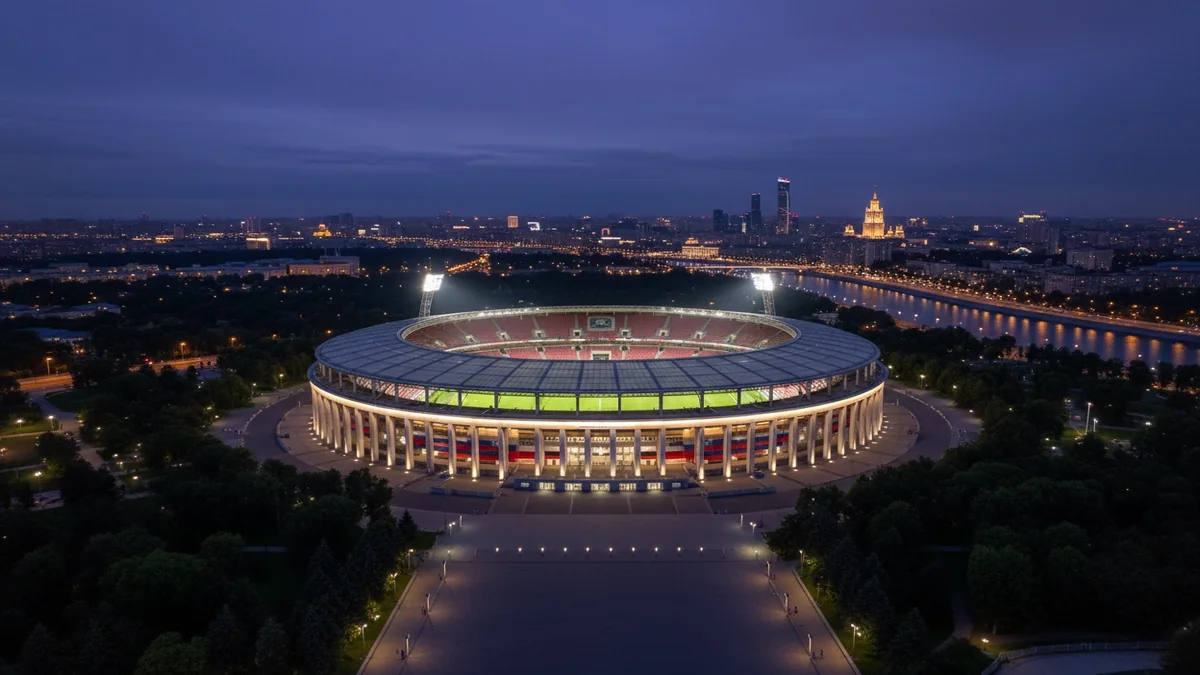
Russia's selection as the host nation for the 2018 FIFA World Cup was met with both anticipation and scrutiny. The country undertook massive infrastructure projects, constructing and renovating stadiums, improving transportation networks, and enhancing tourist facilities across its vast territory. The tournament utilized 12 venues in 11 cities, stretching from Kaliningrad in the west to Ekaterinburg in the east. Despite initial concerns, Russia delivered a well-organized and largely successful event, praised for its efficiency, security, and the warm welcome extended to visiting fans. The atmosphere throughout the tournament was electric, with supporters from all corners of the globe converging to celebrate football. Fan zones in host cities buzzed with activity, and the vibrant cultural exchange contributed to a festive and inclusive environment. The logistical challenges of hosting a tournament across such a large geographical area were largely overcome, allowing for smooth travel and an enjoyable experience for participants and spectators alike. The tournament also served as a platform for Russia to showcase its modern infrastructure and cultural heritage, leaving a lasting impression on millions who followed the event.
The Unfolding Drama: Tournament Overview and Key Stages
The 2018 FIFA World Cup featured 32 nations vying for the coveted trophy, with the group stages immediately setting a high standard for excitement and drama. The tournament was notable for its scarcity of goalless draws, with only one occurring throughout the entire competition, indicating a strong attacking intent from many teams. VAR made its World Cup debut, playing a significant role in several key decisions and sparking widespread debate about its implementation and impact on the game. The group stages saw some surprising results, including Germany, the defending champions, crashing out in the first round after losses to Mexico and South Korea. This early exit for a footballing giant underscored the increasing competitiveness of international football. Other notable group stage performances included Croatia topping their group ahead of Argentina, and Japan progressing to the knockout stages on fair play points. The knockout rounds delivered even more intensity. The Round of 16 saw thrilling encounters, such as France's 4-3 victory over Argentina, a match highlighted by Kylian Mbappé's electrifying performance. Russia, the host nation, defied expectations by reaching the quarter-finals, eliminating Spain in a dramatic penalty shootout, igniting national pride. The semi-finals pitted European powerhouses against each other, with France overcoming Belgium and Croatia defeating England in extra time, setting up an intriguing final.
Achievements and Statistical Highlights
The 2018 FIFA World Cup was a tournament rich in statistical achievements and individual brilliance. France emerged as the deserving champions, securing their second World Cup title with a dominant performance throughout the competition. Croatia, against all odds, reached their first-ever World Cup final, capturing the hearts of many with their resilient and spirited play. The tournament also saw several individual records and milestones.
| Statistic | Record/Achievement | Player/Team |
|---|---|---|
| Winner | France's second World Cup title | France |
| Runner-up | First-ever World Cup final appearance | Croatia |
| Golden Boot (Top Scorer) | 6 goals | Harry Kane (England) |
| Golden Ball (Best Player) | Outstanding tournament performance | Luka Modrić (Croatia) |
| Best Young Player | Electrifying performances | Kylian Mbappé (France) |
| Golden Glove (Best Goalkeeper) | Crucial saves and leadership | Thibaut Courtois (Belgium) |
| Most Goals Scored (Team) | 14 goals | Belgium |
| Most Assists | 4 assists | Harry Kane (England) |
| Most Saves | 27 saves | Guillermo Ochoa (Mexico) |
These statistics highlight the exceptional quality on display, from Harry Kane's prolific goal-scoring to Luka Modrić's masterful midfield displays. Kylian Mbappé's emergence as a global superstar was also a defining feature, showcasing his blistering pace and clinical finishing. The tournament's overall goal tally was high, contributing to its reputation as an entertaining and attacking-oriented World Cup. The consistent performance of these individuals and teams underscored the depth of talent present in modern international football.
Key Matches & Iconic Moments
The 2018 FIFA World Cup was replete with memorable matches and iconic moments that will forever be etched in the annals of football history. These encounters provided the drama, excitement, and narratives that define a truly great tournament.
France vs. Argentina (Round of 16)
This thrilling encounter on June 30, 2018, is widely regarded as one of the best matches of the tournament. France defeated Argentina 4-3 in a pulsating contest that saw seven goals and a star-making performance from Kylian Mbappé. Mbappé scored two goals and won a penalty, showcasing his explosive pace and clinical finishing. Ángel Di María's stunning long-range strike and Benjamin Pavard's spectacular volley for France were also highlights. The back-and-forth nature of the game, with Argentina briefly taking the lead, kept fans on the edge of their seats until the final whistle. This match was a coming-out party for Mbappé and a testament to the attacking prowess of both teams.
Russia vs. Spain (Round of 16)
The host nation, Russia, produced one of the biggest upsets of the tournament by eliminating 2010 champions Spain on July 1, 2018. After a 1-1 draw following extra time, Russia triumphed 4-3 in a penalty shootout. Spain dominated possession but struggled to break down a resilient Russian defense. Igor Akinfeev, Russia's goalkeeper, became the hero, making crucial saves in the shootout. The victory sparked wild celebrations across Russia and demonstrated the power of collective spirit and home advantage. It was a classic David vs. Goliath story that captured the imagination of the world.
Croatia vs. England (Semi-Final)
Croatia's remarkable journey to the final included a hard-fought 2-1 victory over England in the semi-finals on July 11, 2018. England took an early lead through Kieran Trippier's free-kick, but Ivan Perišić equalized in the second half. The match went into extra time, where Mario Mandžukić scored the winning goal for Croatia, sending them to their first-ever World Cup final. The game was a testament to Croatia's incredible resilience, as they had played extra time in all three of their knockout matches. It was a heartbreaking defeat for England but a historic triumph for the small Balkan nation, showcasing their unwavering determination.
France vs. Croatia (Final)
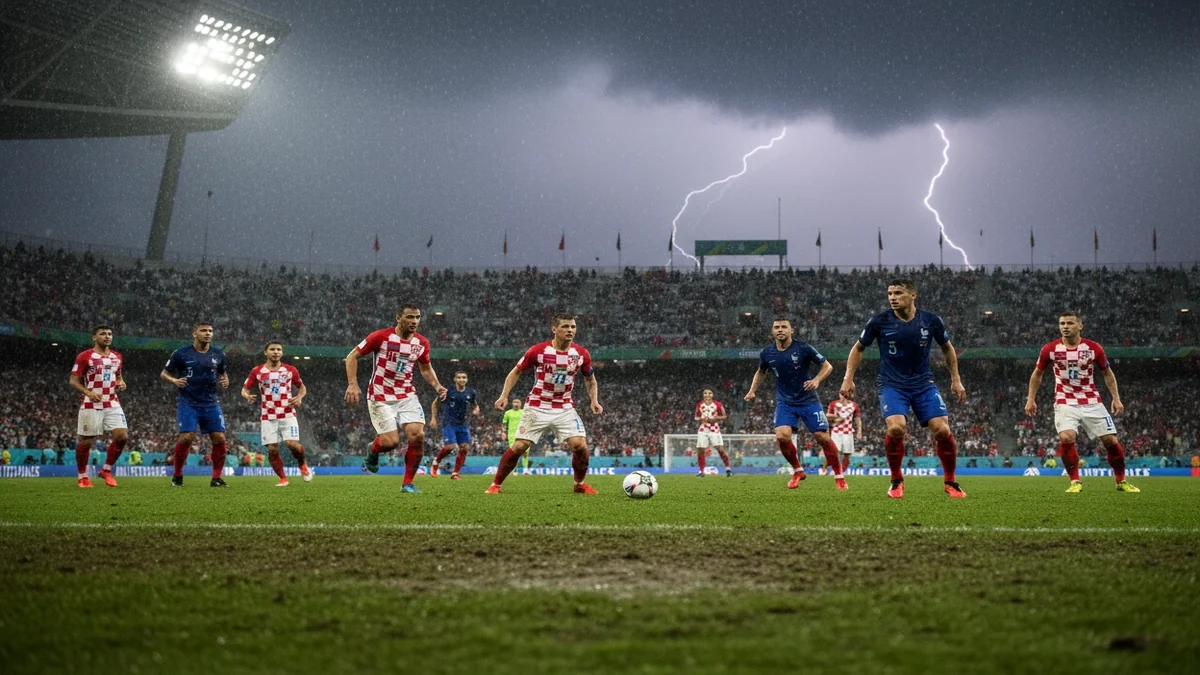
The final on July 15, 2018, was a six-goal thriller that saw France defeat Croatia 4-2. France took the lead through an own goal, but Ivan Perišić quickly equalized. Antoine Griezmann restored France's lead from a penalty awarded after a VAR review. In the second half, Paul Pogba and Kylian Mbappé scored to extend France's lead, with Mbappé becoming the first teenager since Pelé to score in a World Cup final. Croatia pulled one back through Mario Mandžukić, but France held on to claim their second World Cup title. The match was an entertaining spectacle, full of attacking football and dramatic moments, providing a fitting conclusion to a memorable tournament.
The Enduring Legacy of Russia 2018
The 2018 FIFA World Cup left an indelible mark on football history, not only for the quality of play but also for its broader impact. Russia's successful hosting defied many initial doubts, showcasing the country's capacity to stage a major global event and leaving behind a legacy of improved infrastructure and a more positive international image. On the pitch, the tournament was characterized by its attacking football, with a high number of goals and thrilling encounters. The widespread implementation of VAR, while controversial at times, marked a significant technological shift in how the game is officiated, setting a precedent for future tournaments. The emergence of young talents like Kylian Mbappé, who went on to become a global superstar, highlighted the continuous cycle of talent in world football. Furthermore, the tournament reinforced the idea that collective spirit and tactical discipline can overcome individual brilliance, as exemplified by Croatia's inspiring run to the final. The 2018 World Cup will be remembered as a vibrant, high-scoring, and technologically advanced tournament that celebrated the universal appeal of football and delivered a worthy champion in France.
FAQ: 2018 FIFA World Cup
Q: Who won the 2018 FIFA World Cup?
A: France won the 2018 FIFA World Cup, defeating Croatia 4-2 in the final.
Q: Where was the 2018 FIFA World Cup held?
A: The 2018 FIFA World Cup was held in Russia, across 11 host cities.
Q: Who was awarded the Golden Ball at the 2018 FIFA World Cup?
A: Luka Modrić of Croatia was awarded the Golden Ball as the tournament's best player.