2014 FIFA World Cup: Complete Review
The 2014 FIFA World Cup in Brazil was a carnival of football, a vibrant and emotionally charged tournament that delivered breathtaking action, stunning upsets, and ultimately, a deserving champion. Held from June 12 to July 13, 2014, it marked the second time Brazil hosted the prestigious event, bringing the World Cup back to its spiritual home. This edition was characterized by its attacking flair, dramatic encounters, and the relentless pursuit of glory by football's biggest stars. This complete review delves into the key aspects of the tournament, from the passionate atmosphere and organizational efforts to the iconic matches and individual performances that defined a truly unforgettable month of football, solidifying its place as a classic in World Cup history.
Brazil's Grand Return: Hosting and Atmosphere
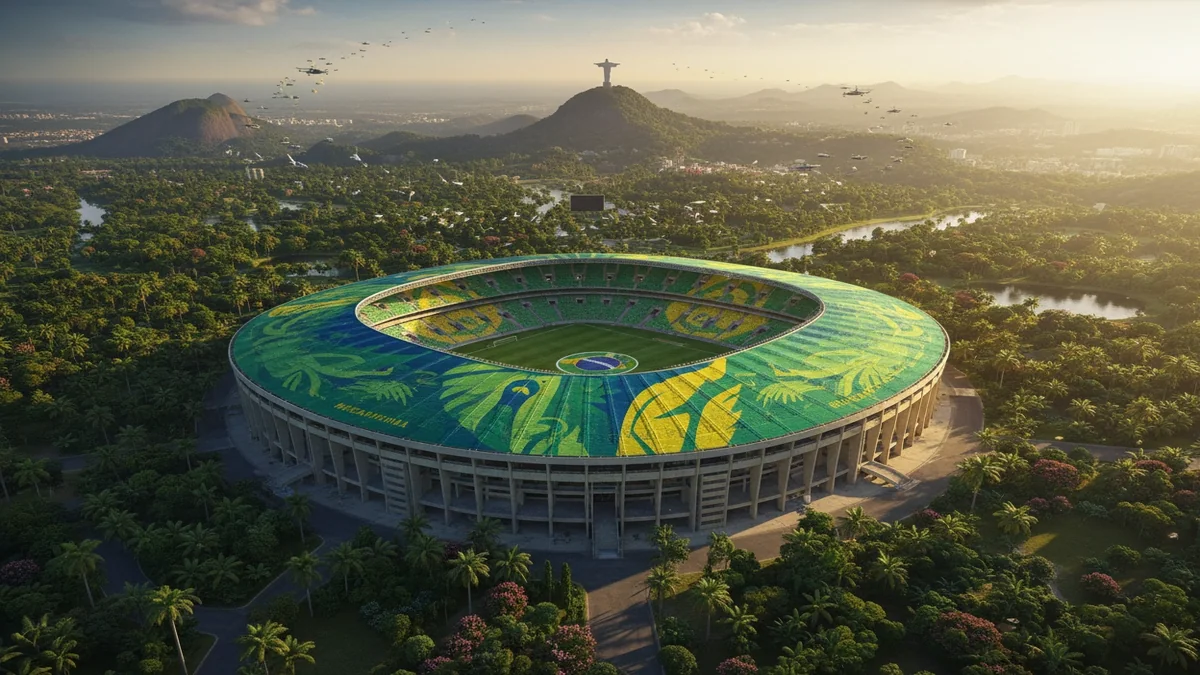
Brazil's role as the host nation for the 2014 FIFA World Cup was steeped in history and expectation. Fifty-four years after its first hosting, the tournament returned to the country synonymous with the beautiful game. The preparations involved significant investment in infrastructure, including the construction and renovation of 12 stadiums across various cities, from the Amazonian city of Manaus to the coastal metropolis of Rio de Janeiro. Despite some initial concerns regarding readiness and public protests, Brazil ultimately delivered a colorful and passionate tournament. The atmosphere was electric, fueled by the fervent support of local fans and the influx of supporters from around the globe. The vibrant culture, music, and hospitality of Brazil provided a unique backdrop to the footballing spectacle, creating a truly immersive experience for everyone involved. The compact nature of some of the host cities, coupled with extensive travel between others, presented logistical challenges, but the overall sentiment was one of celebration and joy. The tournament was a testament to Brazil's deep-rooted love for football, with the entire nation embracing the event with unparalleled enthusiasm, creating an unforgettable ambiance that resonated throughout the competition.
The Battle for Supremacy: Tournament Overview and Key Narratives
The 2014 FIFA World Cup featured 32 nations competing in 64 matches, delivering a tournament rich in tactical innovation, individual brilliance, and compelling narratives. The group stages were particularly exciting, with several high-scoring games and unexpected outcomes. Spain, the defending champions, suffered a shocking early exit after heavy defeats to the Netherlands and Chile, signaling a changing of the guard in international football. Costa Rica emerged as the tournament's surprise package, topping a 'group of death' that included Uruguay, Italy, and England, showcasing their defensive solidity and counter-attacking prowess. The tournament was also notable for the widespread use of goal-line technology, making its debut to ensure fair play. The knockout stages were a testament to the competitive nature of the tournament, with many matches going into extra time or penalty shootouts. Germany, with their blend of tactical discipline and attacking talent, steadily built momentum, overcoming tough opponents on their path to the final. Argentina, led by the talismanic Lionel Messi, also navigated a challenging route, relying on moments of individual magic and defensive resilience. The tournament highlighted the increasing importance of midfield control and fluid attacking systems, with teams like Germany and the Netherlands demonstrating effective strategies. The narrative of the tournament was also heavily influenced by the quest of star players like Messi and Cristiano Ronaldo to lift the coveted trophy, adding an extra layer of personal drama to the global spectacle.
Achievements and Statistical Highlights
The 2014 FIFA World Cup was a tournament filled with remarkable achievements and statistical milestones that underscore the exceptional quality of play. Germany's triumph marked their fourth World Cup title, solidifying their place among football's elite nations. The tournament also saw several individual records and accolades.
| Statistic | Record/Achievement | Player/Team |
|---|---|---|
| Winner | Fourth World Cup title | Germany |
| Runner-up | Fifth World Cup final appearance | Argentina |
| Golden Boot (Top Scorer) | 6 goals | James Rodríguez (Colombia) |
| Golden Ball (Best Player) | Outstanding tournament performance | Lionel Messi (Argentina) |
| Best Young Player | Impressive performances | Paul Pogba (France) |
| Golden Glove (Best Goalkeeper) | Crucial saves and leadership | Manuel Neuer (Germany) |
| Most Goals Scored (Team) | 18 goals | Germany |
| Most Assists | 4 assists | Juan Cuadrado (Colombia), Toni Kroos (Germany) |
| Most Saves | 28 saves | Tim Howard (USA) |
These statistics highlight the diverse talents on display, from James Rodríguez's spectacular goal-scoring to Lionel Messi's influential playmaking. Manuel Neuer's revolutionary 'sweeper-keeper' role redefined goalkeeping, while Paul Pogba's dynamic midfield displays marked him as a future star. Germany's prolific goal-scoring throughout the tournament, culminating in 18 goals, was a testament to their attacking philosophy and efficiency. The tournament's overall goal tally was high, contributing to its reputation as an entertaining and attacking-oriented World Cup. The consistent performance of these individuals and teams underscored the depth of talent present in modern international football, making the 2014 edition a statistical marvel.
Key Matches & Iconic Moments
The 2014 FIFA World Cup was a treasure trove of key matches and iconic moments that will forever be etched in the collective memory of football fans. These encounters provided the drama, excitement, and narratives that define a truly great tournament.
Brazil vs. Germany (Semi-Final)
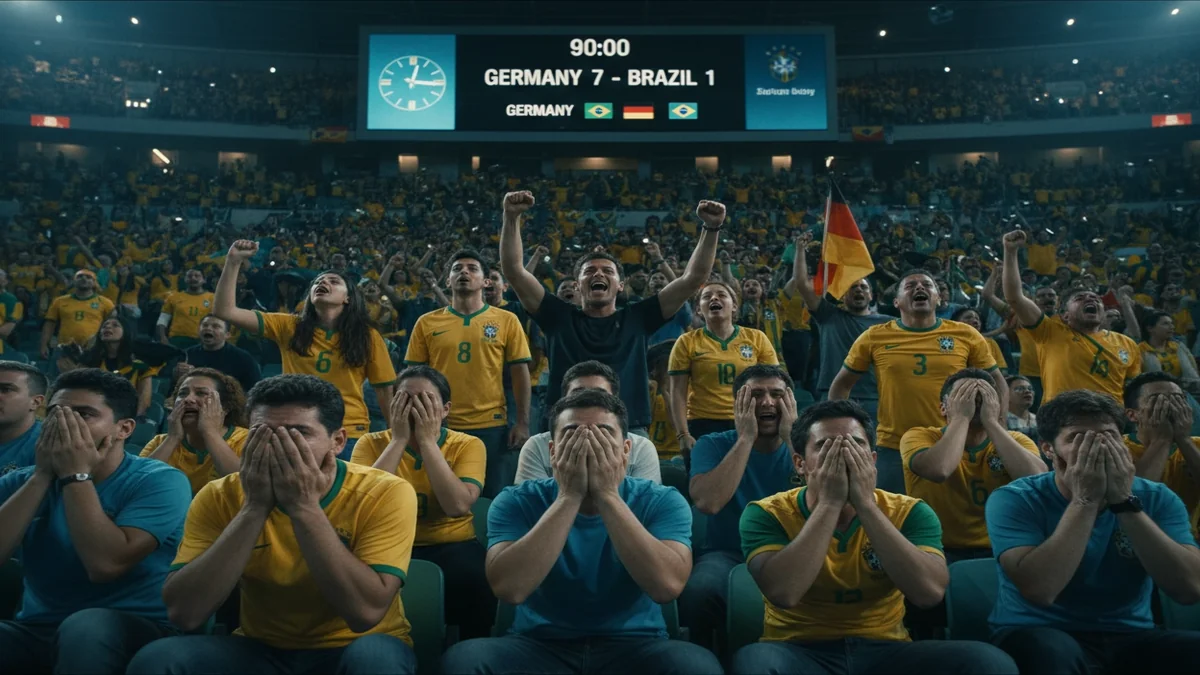
Perhaps the most shocking result in World Cup history, the semi-final between Brazil and Germany on July 8, 2014, ended in a stunning 7-1 victory for Germany. Playing on home soil, Brazil, without their injured star Neymar, collapsed under the relentless German attack. Germany scored five goals in the first 29 minutes, a truly unprecedented display of dominance in a World Cup semi-final. Toni Kroos and André Schürrle each scored braces, while Miroslav Klose broke the all-time World Cup goal-scoring record during the match. This result, dubbed the
‘Mineirazo’ (a reference to the Maracanazo of 1950), was a national tragedy for Brazil and a historic triumph for Germany, showcasing their clinical efficiency and tactical superiority. It remains one of the most talked-about matches in World Cup history.
Netherlands vs. Spain (Group B)
The opening match for both the Netherlands and defending champions Spain on June 13, 2014, delivered an astonishing upset. The Netherlands, under Louis van Gaal, dismantled Spain with a spectacular 5-1 victory. After falling behind to a Xabi Alonso penalty, the Dutch responded with five unanswered goals, including a memorable flying header from Robin van Persie and a brilliant individual effort from Arjen Robben. This match not only signaled the end of Spain’s dominant era but also announced the Netherlands as a formidable force in the tournament. The goals, particularly Van Persie’s header, became instant iconic moments, widely replayed and celebrated for their audacity and execution. It was a statement victory that set the tone for a tournament filled with attacking football.
Germany vs. Argentina (Final)
The final on July 13, 2014, at the Maracanã Stadium in Rio de Janeiro, pitted Germany against Argentina in a highly anticipated clash. After a tense and goalless 90 minutes, the match went into extra time. In the 113th minute, substitute Mario Götze scored a sublime goal, chesting down a cross from André Schürrle and volleying it past Argentine goalkeeper Sergio Romero. This goal secured Germany’s fourth World Cup title and their first as a unified nation. The final was a tactical battle, with both teams creating chances, but Germany’s clinical finish proved decisive. It was a fitting end to a tournament that celebrated attacking football, with a moment of individual brilliance deciding the ultimate prize. Lionel Messi, despite winning the Golden Ball, was unable to lead Argentina to victory, adding a poignant chapter to his illustrious career.
James Rodríguez’s Volley vs. Uruguay (Round of 16)
Colombia’s James Rodríguez produced one of the tournament’s most iconic goals in their Round of 16 match against Uruguay on June 28, 2014. Receiving the ball with his back to goal outside the penalty area, Rodríguez chested it down and unleashed a spectacular left-footed volley that flew into the top corner. This breathtaking strike, which later won the FIFA Puskás Award for the most beautiful goal of the year, perfectly encapsulated the attacking flair and individual brilliance that characterized the 2014 World Cup. It was a moment of pure magic that propelled Colombia into the quarter-finals and cemented Rodríguez’s status as one of the tournament’s breakout stars.
The Enduring Legacy of Brazil 2014
The 2014 FIFA World Cup left an indelible mark on football history, remembered for its vibrant atmosphere, high-quality football, and dramatic narratives. Brazil’s hosting, despite initial challenges, ultimately delivered a memorable spectacle that showcased the nation’s deep passion for the sport. The tournament’s legacy includes its contribution to tactical evolution, with many teams adopting more fluid and attacking styles of play. The widespread use of goal-line technology marked a significant step forward in ensuring fairness and accuracy in officiating, setting a precedent for future major tournaments. The emergence of new stars like James Rodríguez and the continued brilliance of established legends like Lionel Messi added to the tournament’s allure. Germany’s triumph, built on a foundation of long-term development and tactical innovation, served as a blueprint for national team success. The tournament also highlighted the emotional intensity of the World Cup, from the joyous celebrations to the profound disappointment, particularly for the host nation. The 2014 World Cup will be cherished as a tournament that celebrated the beautiful game in its purest form, delivering a month of unforgettable moments and cementing its place as one of the most exciting and impactful editions in the competition’s storied history.
FAQ: 2014 FIFA World Cup
Q: Who won the 2014 FIFA World Cup?
A: Germany won the 2014 FIFA World Cup, defeating Argentina 1-0 in the final after extra time.
Q: Where was the 2014 FIFA World Cup held?
A: The 2014 FIFA World Cup was held in Brazil, across 12 host cities.
Q: Who was awarded the Golden Boot at the 2014 FIFA World Cup?
A: James Rodríguez of Colombia was awarded the Golden Boot as the tournament’s top scorer, with 6 goals.