2010 FIFA World Cup: Complete Review
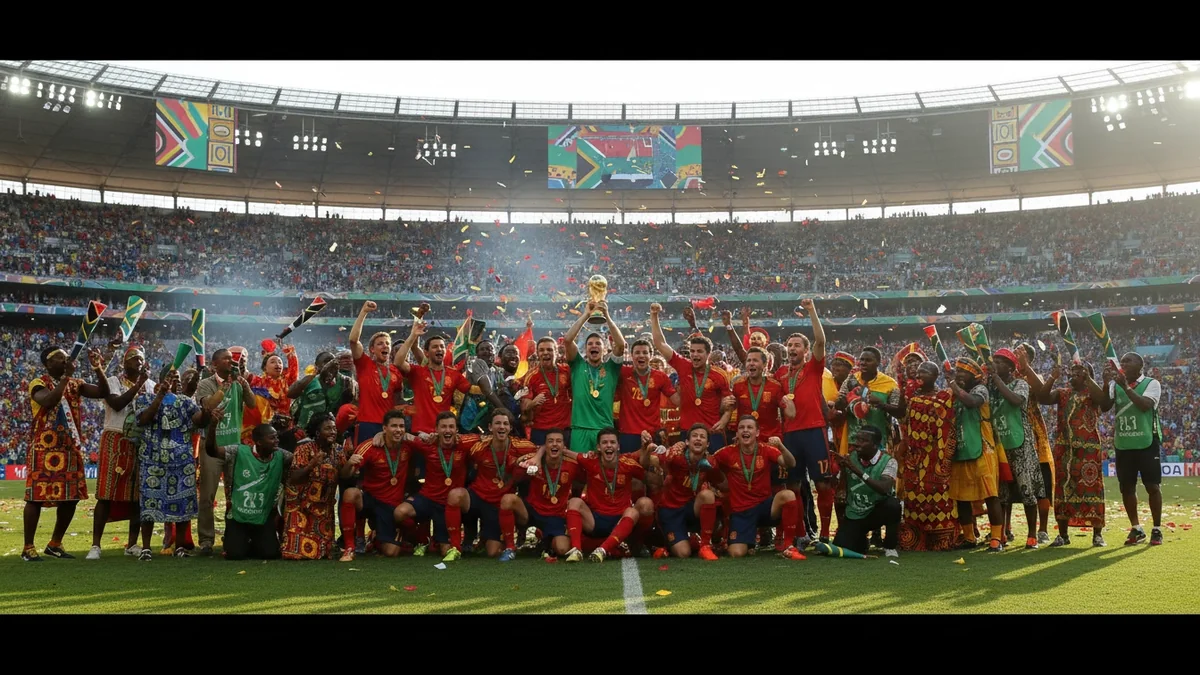
The 2010 FIFA World Cup in South Africa was a landmark event, marking the first time the prestigious tournament was held on African soil. From June 11 to July 11, 2010, the world witnessed a vibrant celebration of football, characterized by the rhythmic sound of vuvuzelas, dramatic matches, and the crowning of a new champion. This complete review delves into the unique aspects of the tournament, from its historic hosting and the challenges overcome, to the key matches and iconic moments that captivated a global audience, ultimately solidifying its place as a truly unforgettable chapter in World Cup history. The tournament was a testament to the power of sport to unite and inspire, leaving a lasting legacy for South Africa and the African continent.
South Africa's Historic Hosting and Preparations
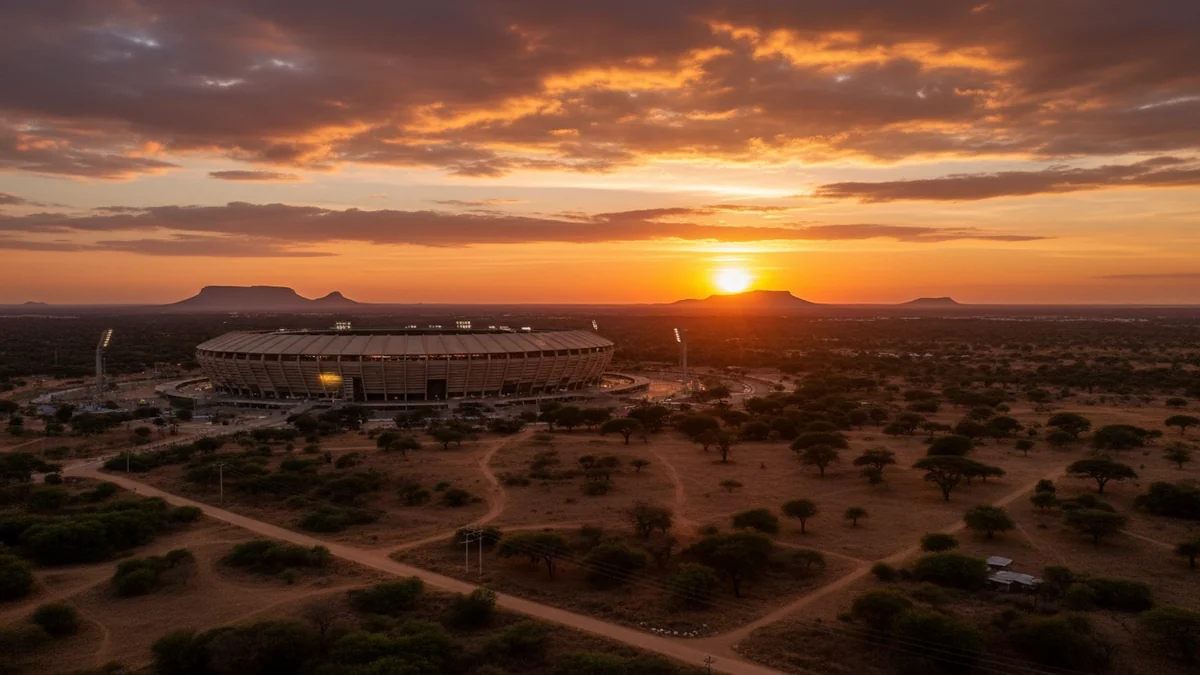
South Africa's selection as the host nation for the 2010 FIFA World Cup was a moment of immense pride and significance for the entire African continent. It represented a powerful symbol of progress and reconciliation, showcasing the nation's ability to host a global spectacle. The preparations were extensive, involving significant investment in infrastructure, including the construction of five new stadiums and the renovation of five existing ones across nine host cities. Iconic venues like Soccer City in Johannesburg, with its calabash design, became symbols of the tournament. Beyond the stadiums, improvements were made to transportation networks, accommodation, and security, all aimed at ensuring a safe and enjoyable experience for millions of visitors. Despite initial skepticism and concerns about readiness, South Africa delivered a well-organized and vibrant tournament. The atmosphere was electric, infused with the unique cultural flavor of the host nation. The ubiquitous sound of the vuvuzela, a plastic horn, became an auditory signature of the tournament, adding to the festive and distinctly African ambiance. The tournament also faced the challenge of overcoming negative perceptions and demonstrating the continent's capability to host events of this magnitude, a challenge that South Africa met with resounding success. The legacy of these preparations extended beyond the month-long event, contributing to long-term development and boosting national pride.
The Unfolding Drama: Tournament Overview and Key Narratives
The 2010 FIFA World Cup featured 32 nations competing across 64 matches, delivering a tournament that, while sometimes criticized for a perceived lack of goals in the early stages, ultimately provided compelling narratives and dramatic conclusions. The Jabulani ball, specifically designed for the tournament, was a subject of much debate among players and goalkeepers due to its unpredictable flight. The group stages saw some surprising results, including the early exit of defending champions Italy and former champions France, both finishing bottom of their respective groups. This highlighted the increasing competitiveness of international football and the shrinking gap between traditional powerhouses and emerging nations. The tournament was also notable for the impressive performances of several South American teams, with Uruguay reaching the semi-finals and Paraguay making it to the quarter-finals. European teams, however, ultimately dominated the latter stages. The knockout rounds were characterized by intense tactical battles and moments of individual brilliance. Spain, known for their tiki-taka style of play, navigated a challenging path, winning all their knockout matches by a single goal, demonstrating their clinical efficiency and defensive solidity. Germany, with a young and exciting squad, impressed with their attacking flair, particularly in their dominant victories over England and Argentina. The tournament also saw the emergence of new stars and the reaffirmation of established legends, all vying for the ultimate prize in football. The overall narrative was one of resilience, tactical evolution, and the relentless pursuit of glory, culminating in a final that would etch itself into the history books.
Achievements and Statistical Highlights
The 2010 FIFA World Cup was a tournament rich in statistical achievements and individual brilliance, culminating in Spain's historic first-ever World Cup title. Their victory marked a significant moment in football history, as they became only the eighth nation to lift the coveted trophy. The tournament also saw several individual records and accolades.
| Statistic | Record/Achievement | Player/Team |
|---|---|---|
| Winner | First World Cup title | Spain |
| Runner-up | Third World Cup final appearance | Netherlands |
| Golden Boot (Top Scorer) | 5 goals (shared) | Thomas Müller (Germany), David Villa (Spain), Wesley Sneijder (Netherlands), Diego Forlán (Uruguay) |
| Golden Ball (Best Player) | Outstanding tournament performance | Diego Forlán (Uruguay) |
| Best Young Player | Impressive performances | Thomas Müller (Germany) |
| Golden Glove (Best Goalkeeper) | Crucial saves and leadership | Iker Casillas (Spain) |
| Most Goals Scored (Team) | 16 goals | Germany |
| Most Assists | 3 assists (shared) | Thomas Müller (Germany), Mesut Özil (Germany), Bastian Schweinsteiger (Germany), Kaká (Brazil), Dirk Kuyt (Netherlands), Walter Gargano (Uruguay) |
| Most Saves | 25 saves | Richard Kingson (Ghana) |
These statistics highlight the diverse talents on display, from the shared Golden Boot among four prolific scorers to Diego Forlán's inspirational leadership for Uruguay. Thomas Müller's emergence as a young star was a defining feature, while Iker Casillas's crucial saves underpinned Spain's defensive strength. Germany's prolific goal-scoring throughout the tournament, particularly in the knockout stages, was a testament to their attacking philosophy. The tournament's overall goal tally, while lower than some previous editions, still provided plenty of excitement and demonstrated the tactical evolution of international football. The consistent performance of these individuals and teams underscored the depth of talent present in modern international football, making the 2010 edition a statistical marvel.
Key Matches & Iconic Moments
The 2010 FIFA World Cup was replete with memorable matches and iconic moments that will forever be etched in the collective memory of football fans. These encounters provided the drama, excitement, and narratives that define a truly great tournament, often amplified by the unique atmosphere of South Africa.
Spain vs. Netherlands (Final)
The final on July 11, 2010, at Soccer City in Johannesburg, was a tense and fiercely contested affair between two European powerhouses, Spain and the Netherlands. After a goalless 90 minutes, the match went into extra time. The game was marked by robust challenges and a high number of yellow cards. In the 116th minute, Andrés Iniesta scored the decisive goal for Spain, slotting the ball past Dutch goalkeeper Maarten Stekelenburg after receiving a pass from Cesc Fàbregas. This goal secured Spain's first-ever World Cup title, a culmination of their dominant tiki-taka style of play that had revolutionized international football. The image of Iniesta celebrating, revealing a tribute to his friend Dani Jarque, became an iconic moment of emotion and triumph. The final was a fitting end to a tournament that showcased tactical discipline and the importance of seizing crucial opportunities.
Uruguay vs. Ghana (Quarter-Final)
This quarter-final match on July 2, 2010, was one of the most dramatic and controversial games of the tournament. With the score tied 1-1 in the final moments of extra time, Ghana was awarded a free-kick. Luis Suárez controversially handled the ball on the goal line, preventing a certain goal. Suárez was sent off, but Asamoah Gyan missed the resulting penalty kick. The match then went to a penalty shootout, which Uruguay won 4-2, advancing to the semi-finals. This moment sparked immense debate about sportsmanship and the rules of the game, but it also highlighted the incredible tension and high stakes of knockout football. For Ghana, it was a heartbreaking exit, as they were on the cusp of becoming the first African nation to reach a World Cup semi-final. For Uruguay, it was a moment of controversial heroism that propelled them further than many expected.
Germany vs. Argentina (Quarter-Final)
Germany delivered a stunning performance in their quarter-final clash against Argentina on July 3, 2010, securing a dominant 4-0 victory. This match was a tactical masterclass from Germany, who effectively neutralized Lionel Messi and exploited Argentina's defensive vulnerabilities. Thomas Müller opened the scoring early, and Miroslav Klose added two goals, while Arne Friedrich also found the net. The comprehensive nature of the victory sent a strong message about Germany's credentials as a title contender and showcased their young, dynamic squad's potential. It was a memorable display of clinical finishing and tactical superiority, firmly establishing Germany as one of the tournament's most exciting teams and a force to be reckoned with.
Netherlands vs. Brazil (Quarter-Final)
Another thrilling quarter-final saw the Netherlands come from behind to defeat five-time champions Brazil 2-1 on July 2, 2010. Brazil took an early lead through Robinho, but the Netherlands staged a remarkable second-half comeback. Wesley Sneijder scored both goals for the Dutch, the first from a header and the second from a corner that deflected off Felipe Melo. Brazil's Felipe Melo was later sent off, further complicating their efforts. This victory was a significant upset, as Brazil was widely considered a favorite to win the tournament. The match demonstrated the Netherlands' resilience and tactical adjustments, as they managed to overturn a deficit against one of the world's best teams. It was a testament to their fighting spirit and their ability to perform under pressure, propelling them into the semi-finals.
The Enduring Legacy of South Africa 2010
The 2010 FIFA World Cup left an indelible mark on football history, not only for the quality of play but also for its profound cultural and social impact. South Africa's successful hosting defied many initial doubts, showcasing the nation's capacity to stage a major global event and leaving behind a legacy of improved infrastructure and a more positive international image. The tournament was a powerful symbol of unity and hope, demonstrating how sport can transcend political and social divides. On the pitch, the World Cup was characterized by its tactical battles, the emergence of new stars, and the crowning of Spain as a deserving champion, whose unique style of play influenced football globally. The ubiquitous vuvuzela, while sometimes controversial, became an iconic sound of the tournament, forever associated with the first African World Cup. The tournament also highlighted the growing global reach of football, with teams from diverse backgrounds showcasing their talent and challenging the established order. The 2010 World Cup will be remembered as a vibrant, culturally rich, and historically significant tournament that celebrated the universal appeal of football and delivered a worthy champion in Spain, leaving a lasting legacy for the host nation and the sport as a whole.
FAQ: 2010 FIFA World Cup
Q: Who won the 2010 FIFA World Cup?
A: Spain won the 2010 FIFA World Cup, defeating the Netherlands 1-0 in the final after extra time.
Q: Where was the 2010 FIFA World Cup held?
A: The 2010 FIFA World Cup was held in South Africa, marking the first time the tournament was hosted on the African continent.
Q: What was the iconic sound associated with the 2010 FIFA World Cup?
A: The vuvuzela, a plastic horn, became the iconic and distinctive sound associated with the 2010 FIFA World Cup in South Africa.