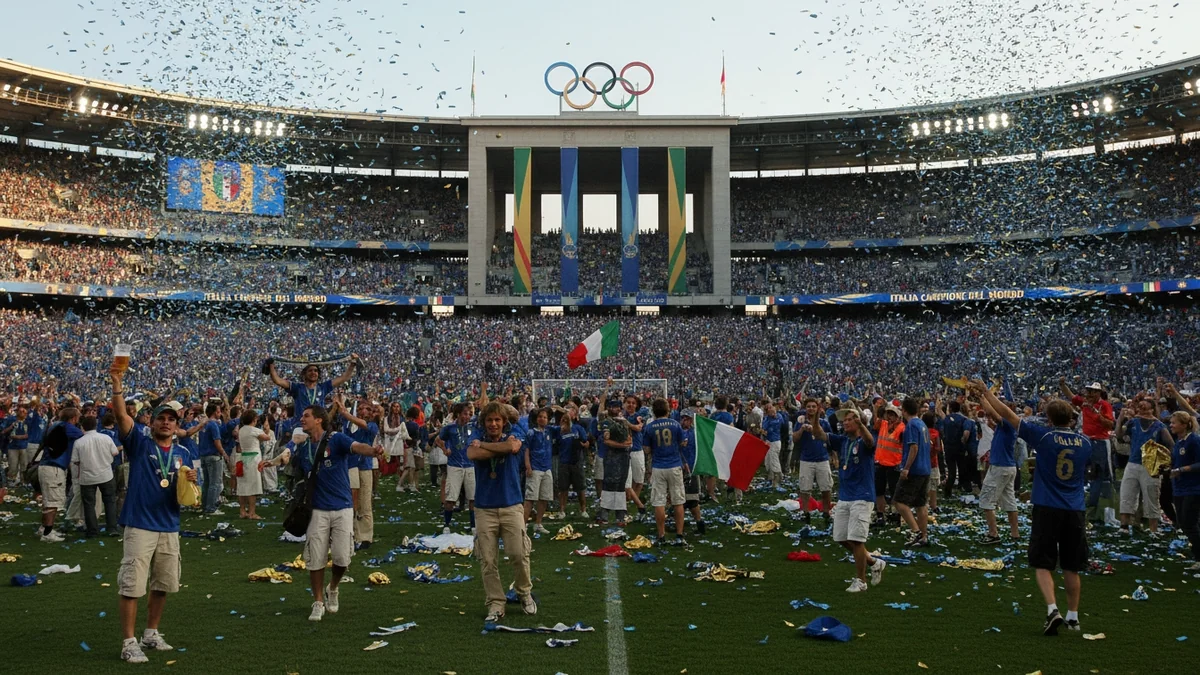
2006 FIFA World Cup: Complete Review
The 2006 FIFA World Cup in Germany was a tournament that rekindled the passion for football, delivering a month of captivating matches, emotional highs, and a dramatic conclusion. Held from June 9 to July 9, 2006, it marked Germany's second time hosting the event, and they embraced the role with a vibrant display of hospitality and organizational prowess. This edition was characterized by its festive atmosphere, a blend of traditional footballing powerhouses and emerging talents, and a final that would forever be etched in World Cup lore due to its controversial and iconic moments. This complete review delves into the key aspects of the tournament, from its impeccable hosting and the enthusiastic fan engagement to the pivotal matches and individual brilliance that defined a truly memorable summer of football, solidifying its place as a cherished chapter in World Cup history.
Germany's Grand Welcome: Hosting and Preparations
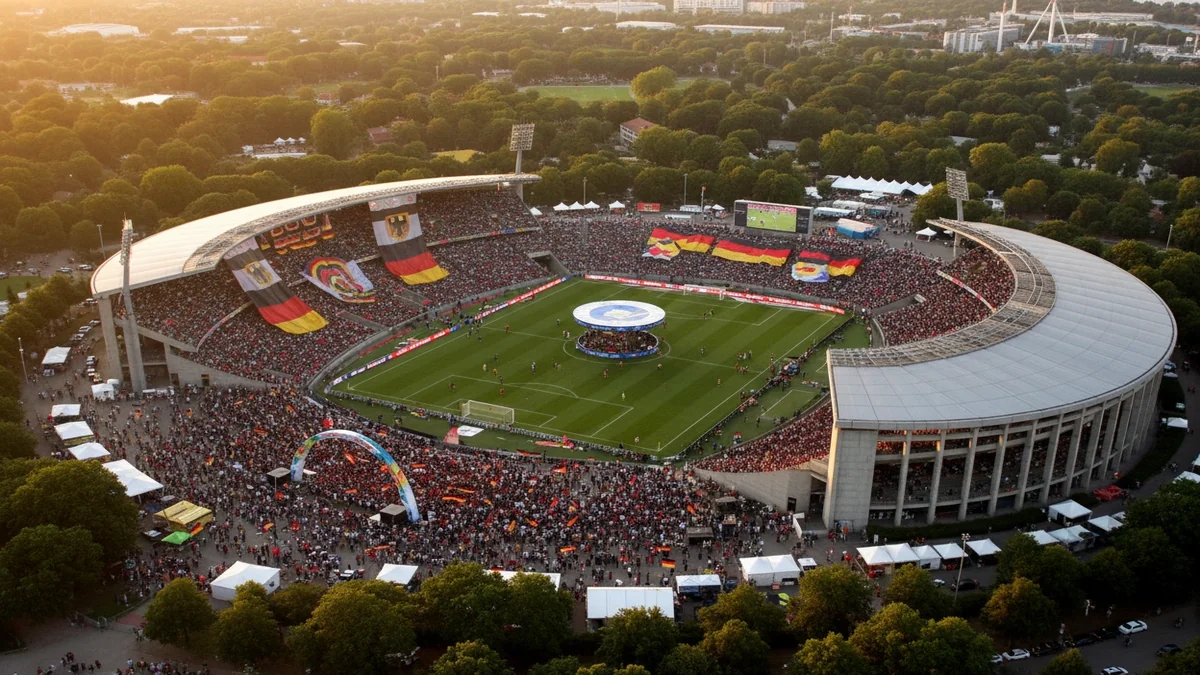
Germany's selection as the host nation for the 2006 FIFA World Cup was met with widespread approval, given its rich footballing heritage and robust infrastructure. The country embarked on extensive preparations, renovating existing stadiums and ensuring state-of-the-art facilities were ready across 12 host cities. From the iconic Olympiastadion in Berlin to the Allianz Arena in Munich, each venue was prepared to welcome millions of fans. Beyond the physical infrastructure, Germany focused on creating a welcoming and festive atmosphere, famously adopting the slogan "A Time to Make Friends." This ethos permeated the entire tournament, with fan zones bustling with activity and public viewing areas drawing massive crowds. The organizational efficiency was lauded, ensuring smooth logistics for teams, media, and supporters. The tournament was a powerful demonstration of Germany's modern, open, and diverse society, successfully shedding any lingering stereotypes and presenting a vibrant image to the world. The warm reception and the seamless execution of the event contributed significantly to the overall positive experience, setting a high standard for future World Cup hosts and fostering a sense of global camaraderie.
The Unfolding Drama: Tournament Overview and Key Narratives
The 2006 FIFA World Cup featured 32 nations competing across 64 matches, delivering a tournament rich in tactical battles, individual brilliance, and compelling narratives. The group stages were marked by a relatively high number of yellow cards and a focus on defensive solidity from many teams, though attacking moments were never far away. Traditional powerhouses like Brazil, Argentina, and Italy showcased their credentials, while emerging African nations like Ghana and Ivory Coast made their World Cup debuts, adding fresh excitement. The tournament was notable for its dramatic knockout stages, with several matches decided in extra time or via penalty shootouts, underscoring the intense competition. Germany, as hosts, defied expectations with a young and energetic squad, captivating their home crowd with an attacking style of play that took them to the semi-finals. Italy, under Marcello Lippi, demonstrated remarkable defensive discipline combined with opportunistic attacking, building a formidable campaign. France, led by the returning Zinedine Zidane, found their rhythm in the knockout rounds, overcoming strong opponents to reach the final. The tournament also saw the emergence of several key players who would go on to define the next generation of football stars. The narrative was one of resilience, tactical evolution, and the relentless pursuit of glory, culminating in a final that would be remembered for both its football and its unforgettable incident.
Achievements and Statistical Highlights
The 2006 FIFA World Cup was a tournament filled with remarkable achievements and statistical milestones that underscore the exceptional quality of play. Italy's triumph marked their fourth World Cup title, placing them second only to Brazil in terms of total victories. The tournament also saw several individual records and accolades.
| Statistic | Record/Achievement | Player/Team |
|---|---|---|
| Winner | Fourth World Cup title | Italy |
| Runner-up | Second World Cup final appearance | France |
| Golden Boot (Top Scorer) | 5 goals | Miroslav Klose (Germany) |
| Golden Ball (Best Player) | Outstanding tournament performance | Zinedine Zidane (France) |
| Best Young Player | Impressive performances | Lukas Podolski (Germany) |
| Golden Glove (Best Goalkeeper) | Crucial saves and leadership | Gianluigi Buffon (Italy) |
| Most Goals Scored (Team) | 14 goals | Germany |
| Most Assists | 4 assists | Juan Román Riquelme (Argentina) |
| Most Saves | 27 saves | Ricardo (Portugal) |
These statistics highlight the diverse talents on display, from Miroslav Klose's prolific goal-scoring on home soil to Zinedine Zidane's masterful midfield displays, which earned him the Golden Ball despite his controversial exit in the final. Gianluigi Buffon's impenetrable goalkeeping was a cornerstone of Italy's success, while Lukas Podolski's energetic performances marked him as a rising star. Germany's high goal tally, particularly from their attacking midfielders and forwards, was a testament to their offensive capabilities. The tournament's overall statistical landscape reflected a balance between defensive solidity and moments of attacking brilliance, making it a compelling watch for fans and analysts alike. The consistent performance of these individuals and teams underscored the depth of talent present in modern international football, making the 2006 edition a statistical marvel.
Key Matches & Iconic Moments
The 2006 FIFA World Cup was replete with memorable matches and iconic moments that will forever be etched in the collective memory of football fans. These encounters provided the drama, excitement, and narratives that define a truly great tournament.
Italy vs. France (Final)
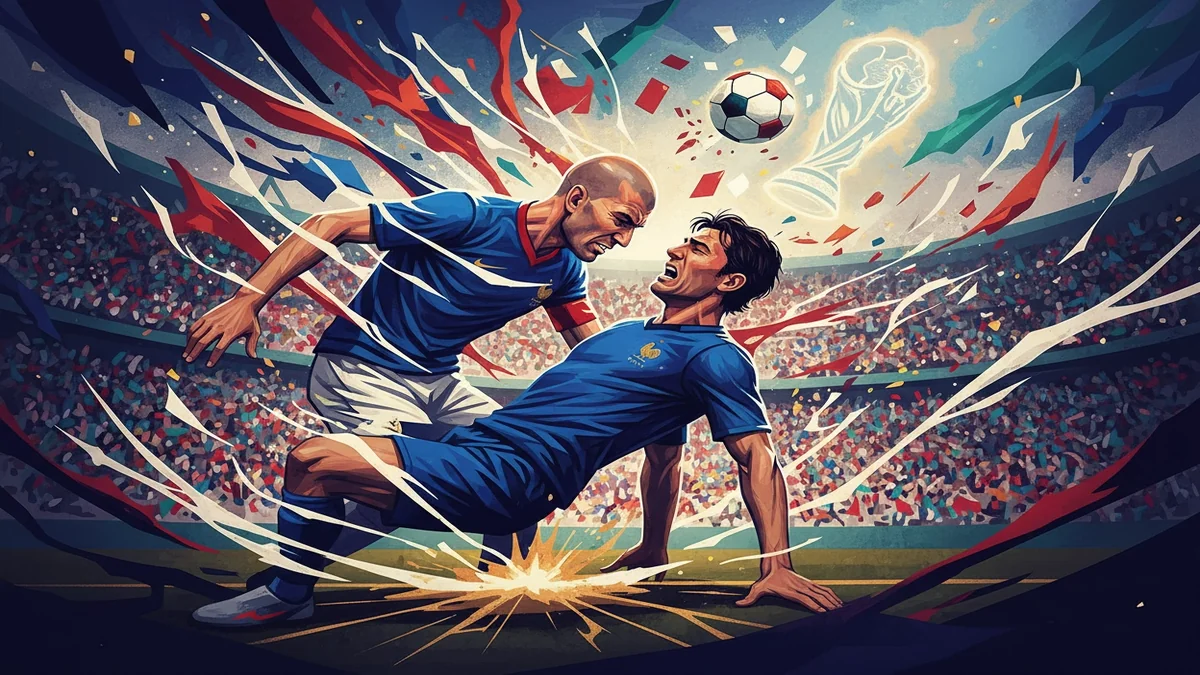
The final on July 9, 2006, at the Olympiastadion in Berlin, was a dramatic and unforgettable encounter between Italy and France. The match was tied 1-1 after 90 minutes, with Zinedine Zidane opening the scoring for France with a Panenka penalty, and Marco Materazzi equalizing for Italy with a powerful header. The game went into extra time, where the most iconic moment occurred: Zinedine Zidane was sent off for headbutting Materazzi in the chest. This shocking incident, in his final professional match, overshadowed much of the football. Italy eventually won the World Cup 5-3 in a penalty shootout, with Fabio Grosso scoring the decisive penalty. The final was a tense, emotional affair that perfectly encapsulated the high stakes and raw passion of the World Cup, leaving a lasting image of triumph and tragedy.
Germany vs. Italy (Semi-Final)
This semi-final clash on July 4, 2006, in Dortmund, was a classic encounter between two footballing giants. The match remained goalless for 119 minutes, a testament to the tactical discipline and defensive prowess of both teams. Just as the game seemed destined for a penalty shootout, Italy scored two dramatic goals in the final two minutes of extra time. Fabio Grosso curled a beautiful shot past German goalkeeper Jens Lehmann, and Alessandro Del Piero sealed the victory with a clinical finish on a counter-attack. The match was a masterclass in tension and drama, showcasing Italy's ability to seize crucial moments and break German hearts on home soil. It is widely regarded as one of the greatest World Cup semi-finals ever played, a testament to the enduring rivalry and quality of both nations.
Portugal vs. Netherlands (Round of 16 - The Battle of Nuremberg)
This Round of 16 match on June 25, 2006, became infamous for its unprecedented disciplinary record, earning it the moniker "The Battle of Nuremberg." Russian referee Valentin Ivanov issued a World Cup record 16 yellow cards and four red cards (two for each team). The game was a brutal, physical encounter, with both teams engaging in aggressive play. Portugal ultimately won 1-0, with Maniche scoring the only goal. While not a display of beautiful football, the match was an iconic moment for its sheer intensity and the referee's struggle to maintain control. It highlighted the fierce rivalry and desperation to advance in the knockout stages, becoming a cautionary tale about the fine line between passion and aggression in football.
Argentina vs. Mexico (Round of 16)
This Round of 16 match on June 24, 2006, was a thrilling contest that went into extra time. Mexico took an early lead through Rafael Márquez, but Argentina quickly equalized with a goal from Hernán Crespo. The game remained tied at 1-1 until extra time, when Maxi Rodríguez scored a spectacular volley from outside the box, securing a 2-1 victory for Argentina. Rodríguez's goal, a moment of pure individual brilliance, is widely considered one of the best goals of the tournament. The match was a testament to the attacking flair of both teams and the drama of knockout football, with a moment of magic deciding a tightly contested affair.
The Enduring Legacy of Germany 2006
The 2006 FIFA World Cup left an indelible mark on football history, remembered for its vibrant atmosphere, high-quality football, and dramatic narratives. Germany's successful hosting defied many initial doubts, showcasing the nation's capacity to stage a major global event and leaving behind a legacy of improved infrastructure and a more positive international image. The tournament was a powerful symbol of unity and hope, demonstrating how sport can transcend political and social divides. On the pitch, the World Cup was characterized by its tactical battles, the emergence of new stars, and the crowning of Italy as a deserving champion, whose defensive solidity and clinical finishing proved decisive. The final, with its dramatic send-off of Zinedine Zidane, became an iconic moment that transcended the sport itself. The tournament also highlighted the growing global reach of football, with teams from diverse backgrounds showcasing their talent and challenging the established order. The 2006 World Cup will be cherished as a tournament that celebrated the beautiful game in its purest form, delivering a month of unforgettable moments and cementing its place as one of the most exciting and impactful editions in the competition's storied history.
FAQ: 2006 FIFA World Cup
Q: Who won the 2006 FIFA World Cup?
A: Italy won the 2006 FIFA World Cup, defeating France 5-3 in a penalty shootout after a 1-1 draw in the final.
Q: Where was the 2006 FIFA World Cup held?
A: The 2006 FIFA World Cup was held in Germany, across 12 host cities.
Q: What was the most iconic moment of the 2006 FIFA World Cup final?
A: The most iconic moment was Zinedine Zidane's headbutt on Marco Materazzi, which resulted in a red card in his final professional match.