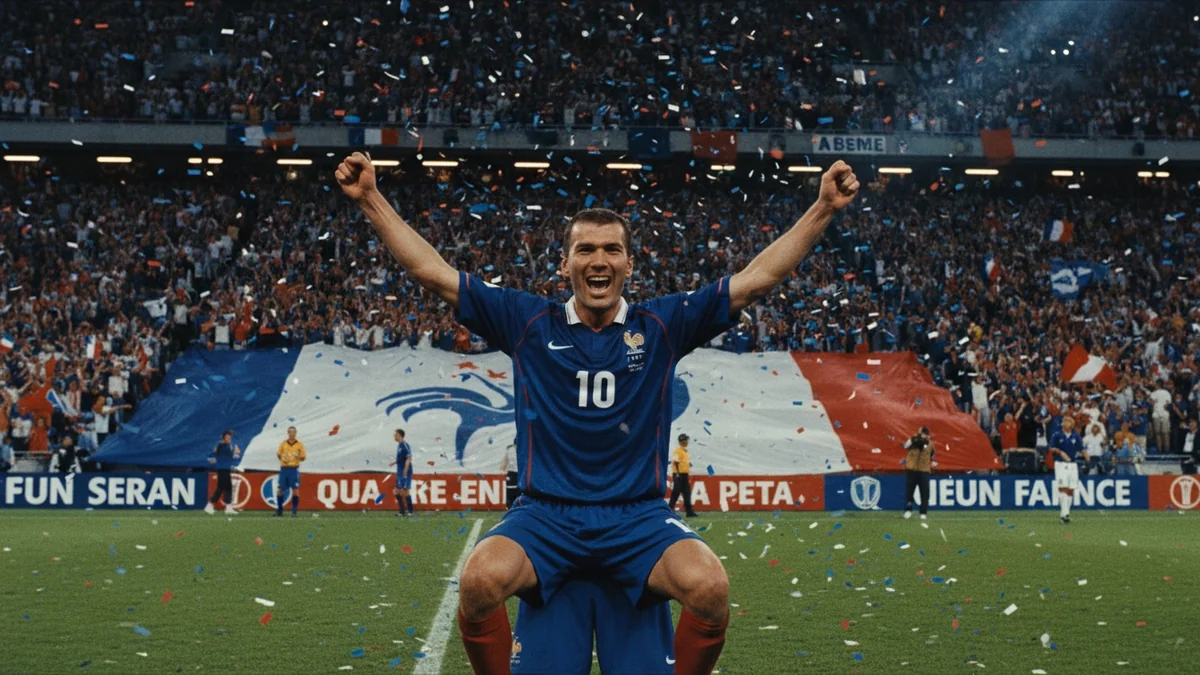
1998 FIFA World Cup: Complete Review
The 1998 FIFA World Cup in France was a vibrant and historic tournament that expanded the global reach of football, marking the first time the competition featured 32 teams. Held from June 10 to July 12, 1998, it was a celebration of footballing artistry, dramatic encounters, and ultimately, the triumph of the host nation. This complete review delves into the key aspects of the tournament, from its meticulous organization and the festive atmosphere that enveloped France, to the pivotal matches and individual brilliance that defined a truly memorable summer of football, solidifying its place as a cherished chapter in World Cup history. The tournament not only crowned a new champion but also left an indelible mark on the sport, influencing future editions with its expanded format and captivating narrative.
France's Grand Stage: Hosting and Preparations
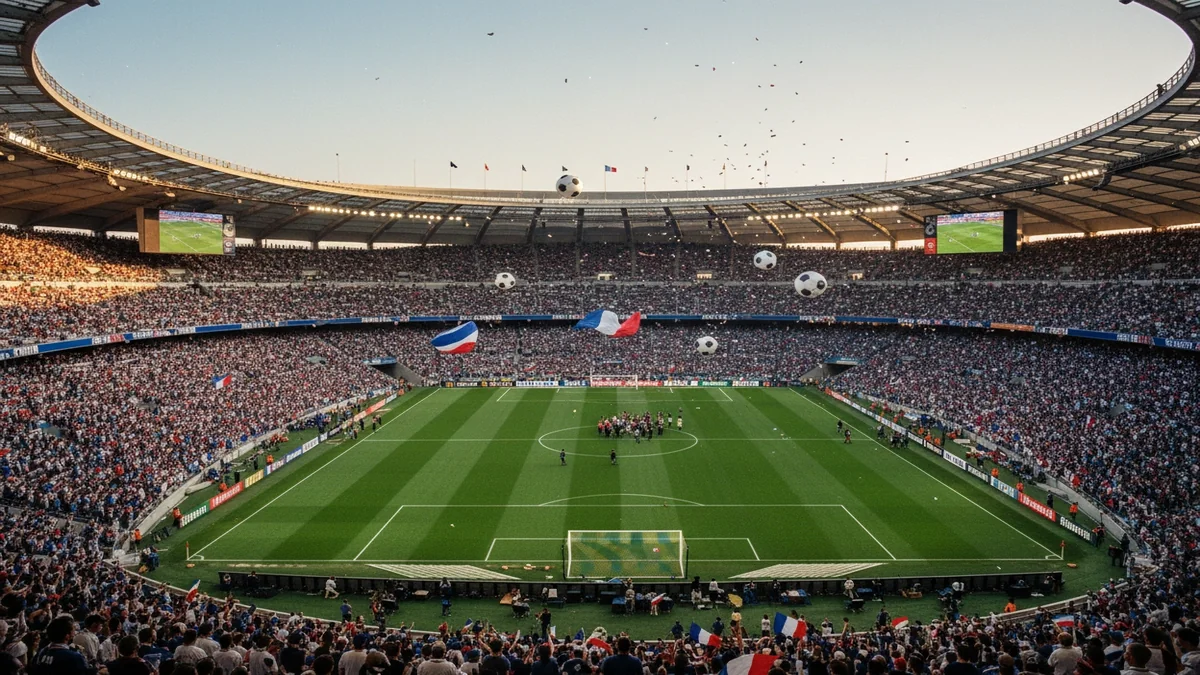
France's selection as the host nation for the 1998 FIFA World Cup was a moment of national pride, marking their second time staging the event after 1938. The country undertook extensive preparations, renovating existing stadiums and constructing new, state-of-the-art venues across 10 host cities. The Stade de France, built specifically for the tournament in Saint-Denis, became an iconic symbol of the event, hosting the opening match and the final. Beyond the physical infrastructure, France focused on creating a welcoming and festive atmosphere, embodying the spirit of "football, culture, and celebration." The tournament was meticulously organized, ensuring smooth logistics for teams, media, and millions of fans who flocked to the country. Fan zones and public viewing areas across France buzzed with activity, fostering a sense of unity and shared excitement. The cultural richness of France provided a unique backdrop to the footballing spectacle, creating an immersive experience for everyone involved. The successful execution of the event showcased France's capability to host a major global sporting event, leaving a lasting positive impression and contributing significantly to the overall success and enjoyment of the tournament.
The Expanded Field: Tournament Overview and Key Narratives
The 1998 FIFA World Cup was the first to feature 32 nations, an expansion from the previous 24-team format, which allowed for greater global representation and increased the competitive intensity. Across 64 matches, the tournament delivered a blend of tactical sophistication, individual flair, and compelling narratives. The group stages were generally exciting, with several teams making strong statements. Traditional powerhouses like Brazil, Italy, and Germany showcased their credentials, while emerging nations and dark horses also made their mark. The tournament was notable for its relatively high goal count and the emergence of several young talents who would go on to define the next generation of football stars. The knockout stages were characterized by intense tactical battles and moments of individual brilliance. France, led by the enigmatic Zinedine Zidane, steadily built momentum, overcoming tough opponents on their path to the final. Brazil, with the phenomenal Ronaldo leading their attack, also navigated a challenging route, often relying on moments of individual magic. The tournament highlighted the increasing importance of midfield control and fluid attacking systems, with teams demonstrating effective strategies to break down resilient defenses. The narrative was one of resilience, tactical evolution, and the relentless pursuit of glory, culminating in a final that would be remembered for its dramatic outcome and the crowning of a new champion.
Achievements and Statistical Highlights
The 1998 FIFA World Cup was a tournament filled with remarkable achievements and statistical milestones that underscore the exceptional quality of play. France's triumph marked their first-ever World Cup title, a historic moment for the host nation. The tournament also saw several individual records and accolades.
| Statistic | Record/Achievement | Player/Team |
|---|---|---|
| Winner | First World Cup title | France |
| Runner-up | Second consecutive final appearance | Brazil |
| Golden Boot (Top Scorer) | 6 goals | Davor Šuker (Croatia) |
| Golden Ball (Best Player) | Outstanding tournament performance | Ronaldo (Brazil) |
| Best Young Player | Impressive performances | Michael Owen (England) |
| Golden Glove (Best Goalkeeper) | Crucial saves and leadership | Fabien Barthez (France) |
| Most Goals Scored (Team) | 15 goals | France |
| Most Assists | 3 assists (shared) | Youri Djorkaeff (France), Juan Sebastián Verón (Argentina), Ronaldo (Brazil) |
| Most Saves | 27 saves | José Luis Chilavert (Paraguay) |
These statistics highlight the diverse talents on display, from Davor Šuker's prolific goal-scoring for a surprising Croatian side to Ronaldo's electrifying runs and influential playmaking, which earned him the Golden Ball despite Brazil's final defeat. Michael Owen's emergence as a young star was a defining feature, while Fabien Barthez's reliable goalkeeping was a cornerstone of France's success. France's high goal tally throughout the tournament, particularly in the knockout stages, was a testament to their offensive capabilities and balanced team play. The tournament's overall statistical landscape reflected a balance between defensive solidity and moments of attacking brilliance, making it a compelling watch for fans and analysts alike. The consistent performance of these individuals and teams underscored the depth of talent present in modern international football, making the 1998 edition a statistical marvel.
Key Matches & Iconic Moments
The 1998 FIFA World Cup was replete with memorable matches and iconic moments that will forever be etched in the collective memory of football fans. These encounters provided the drama, excitement, and narratives that define a truly great tournament.
France vs. Brazil (Final)
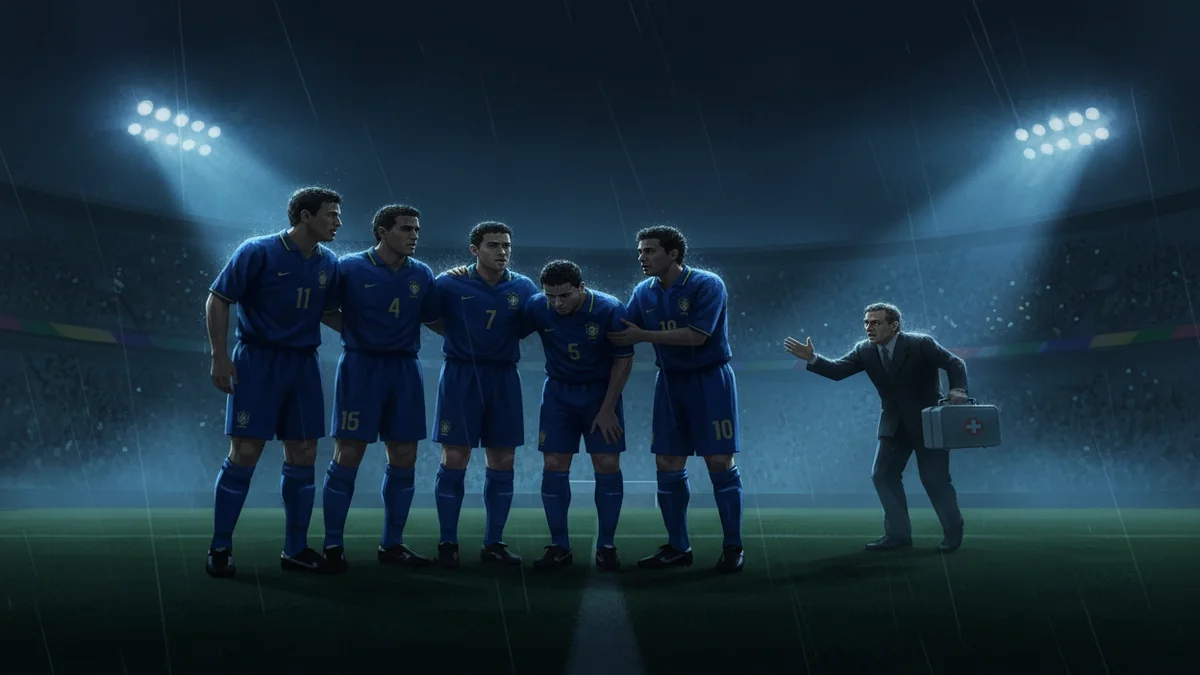
The final on July 12, 1998, at the Stade de France in Saint-Denis, was a highly anticipated clash between the host nation France and defending champions Brazil. France, led by Zinedine Zidane, delivered a dominant performance, securing a resounding 3-0 victory. Zidane scored two headers in the first half, and Emmanuel Petit added a third goal in injury time. The match was notable not only for France's historic first World Cup triumph but also for the mysterious pre-match health scare involving Brazil's star striker Ronaldo, whose subdued performance fueled much speculation. The victory sparked jubilant celebrations across France, uniting the nation in a moment of unprecedented sporting glory. It was a fitting climax to a tournament that showcased France's tactical prowess and collective spirit.
Argentina vs. England (Round of 16)
This Round of 16 match on June 30, 1998, was a classic encounter between two fierce rivals, filled with drama, controversy, and spectacular goals. The game ended 2-2 after extra time, with Argentina eventually winning 4-3 on penalties. Michael Owen scored a breathtaking solo goal for England, showcasing his blistering pace and clinical finish. However, the match is perhaps most remembered for David Beckham's red card for kicking out at Diego Simeone, a moment that sparked national outrage and debate. Javier Zanetti's clever free-kick routine for Argentina's equalizer also stands out. The match was a rollercoaster of emotions, perfectly encapsulating the intensity and rivalry that defines World Cup knockout football.
Netherlands vs. Brazil (Semi-Final)
This semi-final clash on July 7, 1998, was a thrilling encounter between two of the tournament's most exciting teams. The match ended 1-1 after extra time, with Brazil eventually winning 4-2 on penalties. Ronaldo opened the scoring for Brazil, but Patrick Kluivert equalized for the Netherlands in the dying minutes of normal time. The game was a showcase of attacking football, with both teams creating numerous chances. The penalty shootout was tense, with Brazil's goalkeeper Cláudio Taffarel making crucial saves. The match was a testament to the attacking flair and technical quality of both sides, providing a memorable semi-final spectacle.
Croatia vs. Germany (Quarter-Final)
Croatia, making their World Cup debut as an independent nation, produced one of the biggest upsets of the tournament by defeating three-time champions Germany 3-0 in the quarter-finals on July 4, 1998. After Germany's Christian Wörns was sent off in the first half, Croatia capitalized on their numerical advantage, with goals from Robert Jarni, Goran Vlaović, and Davor Šuker. This stunning victory propelled Croatia into the semi-finals and announced their arrival as a formidable force on the international stage. It was a moment of immense national pride for Croatia and a shocking defeat for a German side that had been expected to go further in the tournament.
The Enduring Legacy of France 1998
The 1998 FIFA World Cup left an indelible mark on football history, remembered for its expanded format, vibrant atmosphere, and the historic triumph of the host nation. France's successful hosting showcased the country's capacity to stage a major global event and left behind a legacy of improved infrastructure and a boosted national morale. The tournament was a powerful symbol of unity and diversity, with the multicultural French team, dubbed "Black, Blanc, Beur" (Black, White, Arab), becoming a source of immense national pride. On the pitch, the World Cup was characterized by its attacking football, the emergence of new stars, and the crowning of France as a deserving champion, whose collective spirit and individual brilliance proved decisive. The final, with Zinedine Zidane's iconic performance, became a defining moment in French sporting history. The tournament also highlighted the growing global reach of football, with the expanded 32-team format providing more opportunities for diverse nations to participate and showcase their talent. The 1998 World Cup will be cherished as a vibrant, culturally rich, and historically significant tournament that celebrated the universal appeal of football and delivered a worthy champion in France, leaving a lasting legacy for the host nation and the sport as a whole.
FAQ: 1998 FIFA World Cup
Q: Who won the 1998 FIFA World Cup?
A: France won the 1998 FIFA World Cup, defeating Brazil 3-0 in the final.
Q: Where was the 1998 FIFA World Cup held?
A: The 1998 FIFA World Cup was held in France, across 10 host cities.
Q: Who was the top scorer at the 1998 FIFA World Cup?
A: Davor Šuker of Croatia was the top scorer at the 1998 FIFA World Cup, with 6 goals.