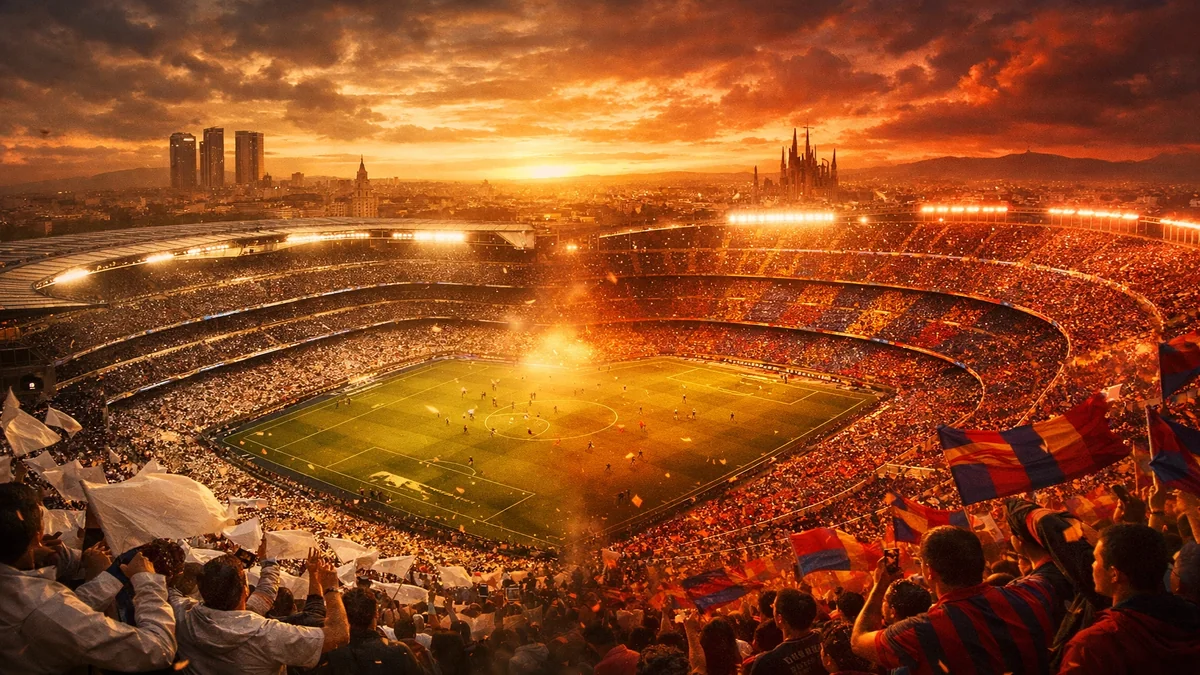
La Liga History and Records
La Liga, officially known as Campeonato Nacional de Liga de Primera División, stands as the pinnacle of Spanish football, a competition renowned globally for its technical brilliance, passionate rivalries, and the consistent presence of some of the world's most iconic clubs and players. The La Liga history is a vibrant tapestry woven with tales of legendary teams, individual genius, and dramatic title races that have captivated audiences for nearly a century. Established in 1929, the league quickly became a central pillar of Spanish sporting culture, evolving from a regional affair into a global spectacle. Its journey is marked by periods of dominance from giants like Real Madrid and Barcelona, interspersed with moments of glory for other formidable clubs, all contributing to a rich narrative of sporting excellence. La Liga's commitment to attractive, attacking football and its role as a breeding ground for some of the sport's greatest talents have solidified its reputation as one of the most prestigious and competitive football leagues on the planet.
The Genesis of a Giant: Foundation and Early Years

The idea of a national football league in Spain began to take shape in the 1920s, culminating in the official formation of La Liga in 1929. The inaugural season featured ten teams, with Barcelona claiming the very first title. The early years of the league were characterized by a competitive landscape, with various clubs vying for supremacy. Athletic Bilbao emerged as an early dominant force, securing multiple titles in the 1930s, showcasing their strong regional identity and a commitment to developing local talent. The Spanish Civil War (1936-1939) brought a temporary halt to the competition, but upon its resumption, the league quickly regained its momentum, reflecting the resilience and passion for football deeply embedded in Spanish society.
The 1940s saw the emergence of new contenders, with Atlético Madrid (then Atlético Aviación) and Valencia joining the ranks of champions, challenging the early dominance of Athletic Bilbao and Barcelona. This period was crucial in broadening the league's appeal and establishing a more diverse competitive environment. The post-war era laid the groundwork for the intense rivalries and passionate fan bases that would come to define La Liga. This formative period of La Liga history was instrumental in shaping its identity as a league where regional pride, tactical innovation, and individual brilliance converged to create a compelling sporting spectacle. The early struggles and triumphs forged a resilient character that would define the league for decades to come, setting the stage for its eventual rise to global prominence.
Eras of Dominance: The Rise of Real Madrid and Barcelona
The mid-20th century marked the beginning of an era that would largely define La Liga history: the fierce and enduring rivalry between Real Madrid and FC Barcelona. The 1950s witnessed the ascent of Real Madrid to unprecedented heights, spearheaded by the legendary Alfredo Di Stéfano. Under his influence, Real Madrid not only dominated domestically, winning multiple league titles, but also established themselves as the undisputed kings of European football, securing five consecutive European Cups. This period cemented Real Madrid's status as a global superpower and set a benchmark for success that few clubs could ever hope to match.
Barcelona, not to be outdone, also enjoyed periods of significant success, particularly in the latter half of the 20th century. The arrival of Johan Cruyff, first as a player in the 1970s and later as a revolutionary manager in the late 1980s and early 1990s, ushered in an era of
total football and a philosophy that would become synonymous with the club. Cruyff's "Dream Team" won four consecutive La Liga titles between 1991 and 1994, playing a brand of fluid, attacking football that captivated audiences. This era laid the groundwork for Barcelona's modern dominance, emphasizing youth development and a distinctive playing style.
The 21st century has largely been characterized by the duopoly of Real Madrid and Barcelona, who have consistently pushed each other to new heights. The rivalry intensified with the emergence of generational talents like Lionel Messi for Barcelona and Cristiano Ronaldo for Real Madrid. Their individual battles for supremacy mirrored the titanic clashes between their respective clubs, leading to some of the most memorable seasons in La Liga history. Both clubs have achieved unprecedented points totals, broken numerous scoring records, and shared the vast majority of league titles. While Real Madrid has maintained its historical edge in overall titles, Barcelona's sustained success in the Messi era has firmly established them as a modern powerhouse. This intense competition has not only elevated the quality of football in Spain but has also globalized La Liga, attracting millions of fans worldwide. The league's ability to consistently produce world-class talent and showcase exhilarating football ensures its continued prominence on the international stage.
Records & Milestones: Defining La Liga's Greatness

La Liga history is replete with remarkable records and milestones that underscore the league's competitive nature and the extraordinary talent it has nurtured. These achievements, both by clubs and individual players, highlight the enduring legacy of Spanish football.
Club Records
- Most Titles: Real Madrid holds the record for the most La Liga titles, with an impressive 36 championships. Their consistent success across different eras speaks to their enduring dominance.
- Most Points in a Season: Both Real Madrid (2011-12) and Barcelona (2012-13) share the record for the most points accumulated in a single season, achieving a remarkable 100 points. This feat demonstrates the incredible consistency required to win the league in recent times.
- Most Goals in a Season: Real Madrid also holds the record for the most goals scored in a single season, netting an astonishing 121 goals during the 2011-12 campaign.
- Longest Unbeaten Run: Barcelona holds the record for the longest unbeaten run in La Liga, going 43 matches without defeat between April 2017 and May 2018, a testament to their sustained excellence.
- Most Goals: Lionel Messi is the undisputed all-time leading goalscorer in La Liga, with over 470 goals. His unparalleled consistency and prolificacy have set a benchmark that is unlikely to be surpassed.
- Most Assists: Lionel Messi also holds the record for the most assists in La Liga history, showcasing his incredible playmaking ability in addition to his goal-scoring prowess.
- Most Appearances: Andoni Zubizarreta, a legendary goalkeeper, holds the record for the most appearances in La Liga, having played in over 620 matches for various clubs, including Athletic Bilbao, Barcelona, and Valencia.
- Most Hat-tricks: Lionel Messi and Cristiano Ronaldo share the record for the most hat-tricks in La Liga, both having scored 34 hat-tricks, a testament to their extraordinary goal-scoring capabilities.
- Most Pichichi Trophies (Top Scorer): Lionel Messi has won the Pichichi Trophy a record eight times, further solidifying his status as the most dominant attacker in the league's history.
Individual Records
These records not only highlight the individual brilliance of players but also the collective strength and tactical evolution of the clubs. The continuous pursuit of these milestones fuels the competitive spirit of La Liga, ensuring that each season brings new narratives and potential record-breaking performances. The league's ability to attract and retain world-class talent has been crucial in maintaining its high standards and producing these extraordinary feats.
Enduring Legacy: La Liga's Global Impact
La Liga's legacy extends far beyond the borders of Spain, establishing itself as a global footballing phenomenon. Its enduring appeal lies in a unique blend of technical mastery, tactical innovation, and a fervent passion that permeates every match. From the iconic El Clásico clashes between Real Madrid and Barcelona to the spirited performances of clubs like Atlético Madrid, Valencia, and Sevilla, La Liga consistently delivers high-quality, entertaining football. The league has served as a crucible for some of the sport's greatest talents, producing numerous Ballon d'Or winners and shaping the careers of legendary players and managers alike. Its commitment to developing youth talent through renowned academies, such as La Masia at Barcelona, ensures a continuous supply of technically gifted players who go on to grace both domestic and international stages.
Furthermore, La Liga's global reach is amplified by its strategic internationalization efforts, bringing the excitement of Spanish football to fans across continents. The league's emphasis on attacking football, combined with the individual brilliance of its stars, has created a distinctive brand that is instantly recognizable and widely admired. As La Liga continues to evolve, embracing new technologies and expanding its global footprint, its rich history serves as a powerful foundation. The league's narrative is one of continuous ambition, fierce competition, and an unwavering dedication to the beautiful game, ensuring its place as a permanent fixture in the pantheon of elite football competitions and a source of inspiration for generations to come.
FAQ: La Liga History and Records
Q: When was La Liga founded?
A: La Liga was officially founded in 1929, with its inaugural season taking place in the same year.
Q: Which club has won the most La Liga titles?
A: Real Madrid holds the record for the most La Liga titles, with 36 championships.
Q: Who is the all-time leading goalscorer in La Liga?
A: Lionel Messi is the all-time leading goalscorer in La Liga, with over 470 goals.