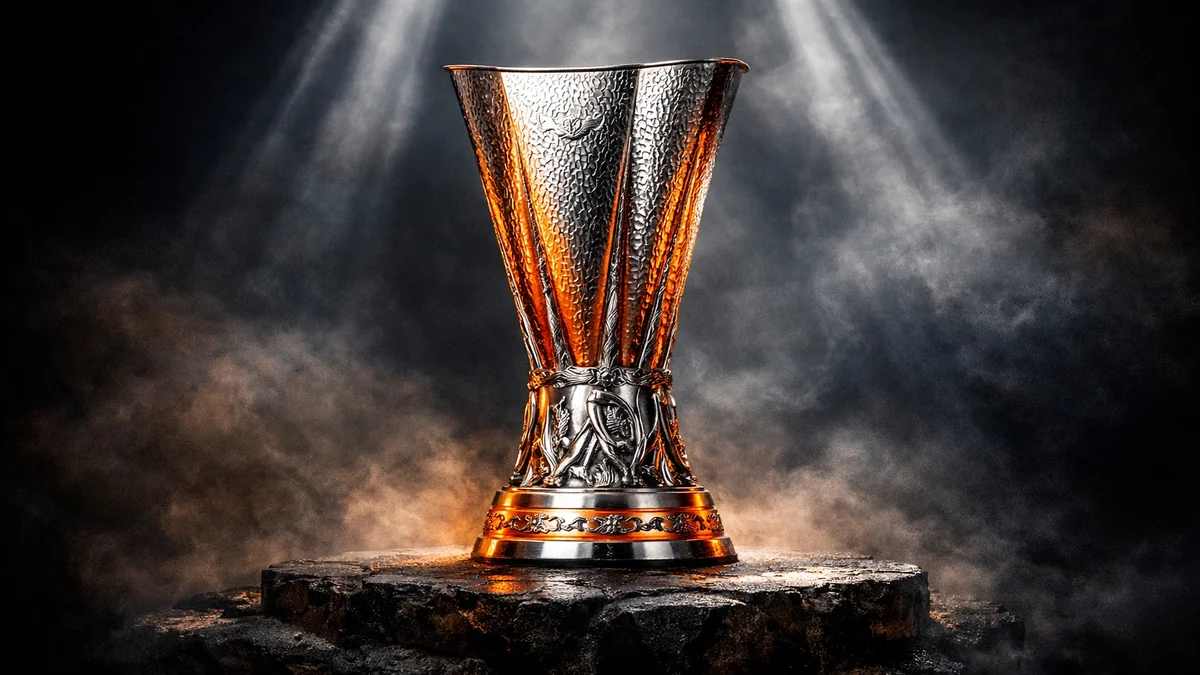
UEFA Europa League History
The UEFA Europa League (UEL), often simply referred to as the Europa League, stands as Europe's second-tier club football competition, organized annually by the Union of European Football Associations (UEFA). The UEFA Europa League history is a rich tapestry woven with tales of underdog triumphs, dramatic comebacks, and the relentless pursuit of European glory, captivating fans across the continent and beyond. Evolving from the Inter-Cities Fairs Cup (1955-1971) and later the UEFA Cup (1971-2009), the competition was rebranded and restructured in 2009 to become the modern Europa League. This transformation aimed to enhance its commercial appeal, expand participation, and elevate its prestige, solidifying its status as a significant and highly competitive tournament in world football. Its journey is marked by legendary teams, emerging talents, and unforgettable moments that have etched themselves into the annals of sporting history, making it a true testament to the beautiful game and a vital pathway to the UEFA Champions League.
The Genesis of a Competition: From Fairs Cup to UEFA Cup (1955-2009)

The origins of what is now the UEFA Europa League can be traced back to the Inter-Cities Fairs Cup, a competition established in 1955 to promote international trade fairs through football. The inaugural tournament, which ran from 1955 to 1958, was won by a Barcelona XI. This early competition, initially open to cities that hosted trade fairs, gradually evolved, becoming more football-centric and eventually leading to its formal recognition by UEFA.
In 1971, the Inter-Cities Fairs Cup was officially replaced by the UEFA Cup, marking a significant step towards a more structured and inclusive European competition. The UEFA Cup was open to the best-placed teams in domestic leagues that had not qualified for the more prestigious European Champion Clubs' Cup. The first UEFA Cup final in 1972 saw Tottenham Hotspur defeat fellow English club Wolverhampton Wanderers, highlighting the competition's immediate impact. The early decades of the UEFA Cup were characterized by a diverse range of winners from across Europe, showcasing the strength and depth of football beyond the traditional elite. Clubs from England, Germany, Italy, and the Netherlands frequently lifted the trophy, establishing the competition's reputation for unpredictability and fierce competition.
The 1980s and 1990s saw the UEFA Cup grow in stature, attracting more prominent clubs and becoming a crucial stepping stone for teams aspiring to reach the Champions League. Italian clubs, in particular, enjoyed a period of dominance during this era, with teams like Juventus, Inter Milan, and Parma frequently reaching the latter stages and winning the trophy. The competition's format remained largely consistent, featuring a straight knockout system, which often led to thrilling two-legged encounters. This formative period of UEFA Europa League history (then UEFA Cup) was crucial in shaping its identity as a fiercely contested tournament, driven by national pride, tactical innovation, and the ambition of clubs seeking European recognition. The early successes and the growing appeal of continental clashes laid the groundwork for its eventual transformation into the modern Europa League.
Evolution and Rebranding: The Europa League Era (2009-Present)
The 2009-10 season marked a pivotal moment in the UEFA Europa League history with the rebranding and restructuring of the UEFA Cup into the UEFA Europa League. This transformation was driven by a desire to modernize the competition, increase its commercial viability, and enhance its appeal to a broader global audience. Key changes included the introduction of a group stage format, similar to the Champions League, allowing more teams to participate and ensuring more matches between clubs from diverse European leagues. The iconic orange and black branding, along with a new anthem, became synonymous with the tournament, elevating its brand identity and making it more distinct from its predecessor.
The rebranding also brought about a significant incentive: since the 2014-15 season, the winner of the UEFA Europa League automatically qualifies for the following season's UEFA Champions League, regardless of their domestic league position. This added prize dramatically increased the competition's prestige and competitiveness, making it a highly sought-after trophy for clubs across Europe. The early Europa League era saw a continuation of diverse winners, with clubs like Atlético Madrid, Porto, and Chelsea lifting the coveted trophy. The competition continued to evolve, with further refinements to its format and increased media coverage, making it a true battleground for Europe's ambitious clubs.
The 21st century has further solidified the Europa League's status as a significant European competition. The dominance of Spanish clubs, particularly Sevilla, has been a defining feature, with the Andalusian side establishing themselves as specialists in the tournament, winning a record seven titles. Their consistent success underscores the tactical depth and resilience required to navigate the demanding schedule of the Europa League. Other prominent clubs like Manchester United, Atlético Madrid, and Chelsea have also added their names to the trophy, showcasing the competition's ability to attract and challenge top-tier teams. The competition has also seen the rise of new contenders and dramatic upsets, ensuring its continued excitement and unpredictability. The UEFA Europa League history continues to be written, with each season adding new chapters of tactical evolution, individual brilliance, and collective triumph, solidifying its place as a prestigious and captivating club competition in world football, offering a unique blend of established giants and aspiring challengers.
A Trophy Cabinet of European Ambition: Achievements and Records

The UEFA Europa League's illustrious history is vividly reflected in its extensive collection of trophies, marking it as a significant prize in club football. The competition's trophy cabinet is a testament to decades of relentless pursuit of glory, showcasing the enduring quality and competitiveness of European football. Here's a summary of the most successful clubs in the UEFA Europa League/UEFA Cup:
| Club | Number of Titles |
|---|---|
| Sevilla | 7 |
| Inter Milan | 3 |
| Juventus | 3 |
| Liverpool | 3 |
| Atlético Madrid | 3 |
| Borussia Mönchengladbach | 2 |
| Tottenham Hotspur | 2 |
| Feyenoord | 2 |
| Porto | 2 |
| Chelsea | 2 |
Sevilla stands as the undisputed record holder for the most UEFA Europa League/UEFA Cup titles, with an astonishing seven championships. Their consistent success in the competition has earned them the moniker of "Europa League Kings." Inter Milan, Juventus, Liverpool, and Atlético Madrid follow, highlighting their significant contributions to the competition's rich history. The competition's ability to produce multiple champions over its history underscores its competitive nature and the cyclical rise and fall of various powerhouses. Each title represents a significant chapter in the illustrious UEFA Europa League history, contributing to a legacy of success that continues to inspire generations of fans and players alike. The competition's commitment to tactical excellence and its ability to attract world-class talent have been key factors in its enduring appeal.
Records & Milestones: Defining Europa League's Greatness
UEFA Europa League history is replete with remarkable records and milestones that underscore the competition's competitive nature and the extraordinary talent it has nurtured. These achievements, both by clubs and individual players, highlight the enduring legacy of European club football.
Club Records
- Most Titles: Sevilla holds the record for the most UEFA Europa League/UEFA Cup titles, with 7 championships, showcasing their unparalleled dominance in this competition.
- Most Final Appearances: Sevilla also holds the record for the most final appearances, having reached the final 7 times, winning all of them.
- Most Goals Scored (Team): Inter Milan holds the record for the most goals scored in the competition's history (including UEFA Cup).
- Most Goals: Henrik Larsson (Celtic, Feyenoord, Helsingborg) is often cited as one of the top goalscorers in the history of the competition (including UEFA Cup), with 40 goals. Radamel Falcao holds the record for most goals in a single Europa League season with 17 goals in 2010-11.
- Most Appearances: Giuseppe Bergomi (Inter Milan) holds the record for the most appearances in the UEFA Europa League/UEFA Cup, having played in 96 matches, a testament to his incredible longevity and consistency.
- Most Titles (Player): José Antonio Reyes (Sevilla, Atlético Madrid) and Vitolo (Sevilla) hold the record for the most UEFA Europa League titles won by a player, each with 3 championships.
Individual Records
These records not only highlight the individual brilliance of players but also the collective strength and tactical evolution of the clubs. The continuous pursuit of these milestones fuels the competitive spirit of the UEFA Europa League, ensuring that each season brings new narratives and potential record-breaking performances. The competition's ability to attract and retain world-class talent has been crucial in maintaining its high standards and producing these extraordinary feats.
Enduring Legacy: The Europa League's Global Impact
The UEFA Europa League's legacy is one of profound cultural significance, tactical sophistication, and an unwavering commitment to the beautiful game that has resonated with football fans across the globe. From its origins as the Inter-Cities Fairs Cup to its modern incarnation as the Europa League, the competition has consistently embodied a spirit of innovation and a dedication to attacking football. The league's enduring appeal lies not just in its impressive trophy cabinet, but in its unique identity as a tactical laboratory, where coaches and players alike have pushed the boundaries of footballing strategy. The intense rivalries between clubs from different nations, culminating in the ultimate European showdown, remain some of the most compelling narratives in world football, spectacles that transcend mere sport and embody the very soul of European identity.
The Europa League has served as a crucible for some of the sport's greatest talents, producing numerous stars who have gone on to grace both domestic and international stages, including the UEFA Champions League. Its emphasis on developing well-rounded players, both technically and tactically, has ensured a continuous supply of world-class talent. Furthermore, the Europa League's global reach is amplified by its rich history and the passionate support of its worldwide fanbase. The competition's ability to consistently deliver high-quality, entertaining football, combined with its strategic internationalization efforts, ensures its continued prominence on the international stage. As the UEFA Europa League continues to evolve, embracing new technologies and adapting to the modern football landscape, its rich history serves as a powerful foundation. The competition's narrative is one of continuous ambition, fierce competition, and an unwavering dedication to the beautiful game, ensuring its place as a permanent fixture in the pantheon of elite football competitions and a source of inspiration for generations to come.
FAQ: UEFA Europa League History
Q: When was the UEFA Europa League first held in its current format?
A: The UEFA Europa League was first held in its current format in the 2009-10 season, evolving from the UEFA Cup.
Q: Which club has won the most UEFA Europa League titles?
A: Sevilla holds the record for the most UEFA Europa League/UEFA Cup titles, with 7 championships.
Q: Who is the all-time leading goalscorer in the UEFA Europa League (including UEFA Cup)?
A: Henrik Larsson is often cited as one of the top goalscorers in the history of the competition, with 40 goals. Radamel Falcao holds the record for most goals in a single Europa League season with 17 goals.