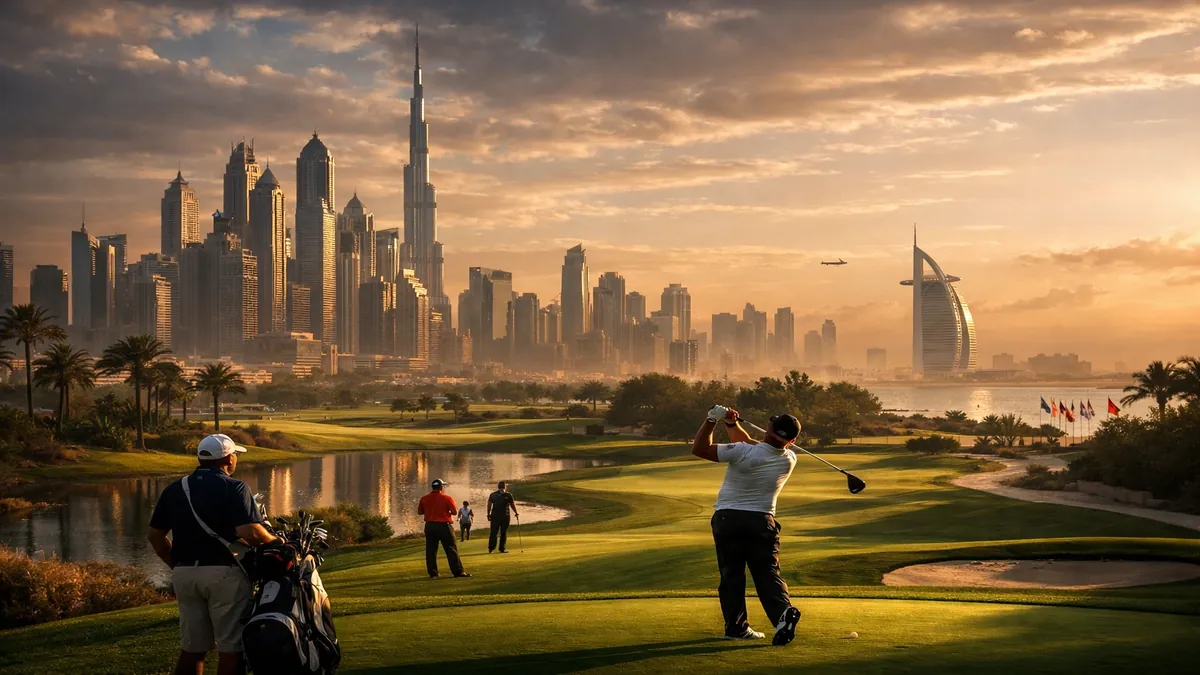
DP World Tour History
The DP World Tour, formerly known as the European Tour, represents the pinnacle of professional golf in Europe and a significant force on the global stage. Its evolution from a regional circuit to a worldwide enterprise reflects the dynamic growth and internationalization of golf over the past five decades. This premier tour has not only showcased some of the finest golfing talent from Europe and beyond but has also been a crucible for innovation, adapting to changing landscapes in professional sports and fostering intense rivalries. This article will delve into the rich history of the DP World Tour, tracing its origins, highlighting its key milestones, examining the controversies and turning points that have shaped its identity, and ultimately assessing its enduring legacy and current standing in the world of golf.
Origins and Early Evolution of the European Tour

The genesis of what is now the DP World Tour can be traced back to the early 1970s, emerging from a fragmented landscape of national and regional golf tournaments across Europe. Prior to its formal establishment, professional golf in Europe lacked a cohesive structure, with players often competing in disparate events that offered varying levels of prize money and prestige. The vision for a unified European circuit was largely championed by figures like John Jacobs, a former Ryder Cup player and influential golf administrator, who tirelessly advocated for a more organized and professional tour. His efforts, spanning over two decades, culminated in the official launch of the European Tour in 1972.
The inaugural season of the European Tour marked a pivotal moment for professional golf outside of North America. It brought together a series of existing tournaments under a single banner, establishing a coherent schedule, standardized rules, and a merit-based ranking system. This foundational period was crucial in attracting talent and building credibility. Early stars like Tony Jacklin, Bernard Gallacher, and Neil Coles helped to establish the Tour's identity, showcasing the burgeoning talent pool in Europe. The early years were characterized by modest prize funds and extensive travel, but the commitment to creating a viable alternative to the dominant American circuit was unwavering. This initial structure provided a much-needed platform for European golfers to compete at a high level consistently, laying the groundwork for future international success and the eventual global expansion of the Tour.
Key Milestones and Growth of the Tour
Following its establishment in 1972, the European Tour embarked on a journey of continuous growth and expansion, steadily solidifying its position as a major player in professional golf. The 1980s saw a significant surge in its profile, largely fueled by the emergence of charismatic European stars such as Seve Ballesteros, Bernhard Langer, Ian Woosnam, and Nick Faldo. These players not only dominated the European circuit but also achieved considerable success in major championships, challenging the long-held supremacy of American golfers. Their rivalries and captivating performances brought increased media attention and sponsorship opportunities to the Tour.
A crucial development in the Tour's history was the increasing internationalization of its schedule. While initially focused on events within Europe, the Tour began to stage tournaments in Asia, Africa, and the Middle East, reflecting a strategic vision to become a truly global circuit. This expansion not only offered players more diverse competitive experiences but also tapped into new markets and attracted a broader fan base. The introduction of the Ryder Cup as a truly competitive event, largely driven by the passion and skill of European players, further elevated the Tour's prestige and generated immense interest worldwide. The Ryder Cup became a biennial showcase of European talent, fostering a strong team identity and creating legendary moments that transcended the sport.
The 21st century brought further innovations, most notably the introduction of the Race to Dubai in 2009. This season-long competition, culminating in the DP World Tour Championship, replaced the traditional Order of Merit and offered substantial bonus pools, adding a compelling narrative and increased financial incentives for players. The rebranding to the DP World Tour in 2021, reflecting a significant title sponsorship deal, underscored the Tour's global ambitions and its commitment to fostering golf development worldwide. These milestones collectively illustrate the Tour's dynamic evolution, its ability to adapt to changing commercial landscapes, and its unwavering dedication to promoting professional golf on a global scale.
Achievements, Records, and Trophies

The DP World Tour, throughout its history, has been a stage for remarkable achievements, record-breaking performances, and the crowning of numerous champions. The Tour's most prestigious individual award is the Harry Vardon Trophy, presented annually to the leading player on the Race to Dubai rankings. The Race to Dubai itself, introduced in 2009, has become the season-long competition that determines the Tour's ultimate champion, offering a substantial bonus pool and culminating in the DP World Tour Championship.
Over the decades, the Tour has seen many players achieve legendary status. Seve Ballesteros, with his five major championships and numerous European Tour wins, is often considered the spiritual leader of the Tour, inspiring a generation of European golfers. Other prominent figures include Sir Nick Faldo, who amassed 30 European Tour victories and six major championships, and Colin Montgomerie, who famously won the Order of Merit a record eight times. More recently, players like Rory McIlroy have continued this tradition of excellence, securing multiple Race to Dubai titles and major championships while maintaining strong ties to the Tour.
| Achievement/Record | Details |
|---|---|
| Most European Tour Wins | Seve Ballesteros (50 wins) is often cited, though official records vary slightly depending on classification. |
| Most Order of Merit/Race to Dubai Titles | Colin Montgomerie (8 times) and Rory McIlroy (7 times) are among the most dominant. |
| Lowest Scoring Average (Season) | Records are frequently challenged, reflecting the increasing competitiveness and talent on Tour. |
| Youngest Tournament Winner | Various players have achieved early success, showcasing the Tour's role in developing young talent. |
| Ryder Cup Success | European players, largely drawn from the Tour, have achieved significant success in the Ryder Cup, often against stronger American teams. |
These achievements not only highlight the individual brilliance of the players but also reflect the Tour's success in cultivating a highly competitive environment. The DP World Tour has consistently provided a platform for players to hone their skills, compete against the best, and ultimately achieve global recognition. The records and trophies won on this Tour are a testament to the dedication, talent, and competitive spirit that define professional golf in Europe and beyond.
Biggest Controversies & Turning Points
The history of the DP World Tour, much like any major sporting institution, is punctuated by significant controversies and pivotal turning points that have shaped its trajectory and forced periods of adaptation. One of the most recent and impactful controversies has been the emergence of LIV Golf in 2022. This Saudi-backed rival circuit offered unprecedented prize money and guaranteed contracts, leading to a significant number of high-profile player defections from both the PGA Tour and the DP World Tour. The ensuing legal battles, public disagreements, and the fracturing of professional golf created immense pressure on the DP World Tour, challenging its financial model and its long-standing alliances.
The LIV Golf saga forced the DP World Tour to re-evaluate its strategic direction and its relationship with the PGA Tour. The eventual strengthening of the strategic alliance between the two tours, and the proposed merger discussions, represent a monumental turning point, signaling a potential restructuring of the entire professional golf landscape. This controversy highlighted the financial pressures and competitive threats that modern golf tours face, pushing them to innovate and consolidate to maintain their relevance and attract top talent.
Beyond the LIV Golf disruption, the Tour has navigated other significant challenges. Debates surrounding equipment technology, similar to those on the PGA Tour, have been ongoing, with concerns about the impact of advancements on course design and the fundamental skills required for the game. The Tour has also faced the constant challenge of balancing its European roots with its global ambitions, managing a diverse schedule that spans multiple continents and caters to different cultural contexts. Economic downturns and global health crises have also presented significant hurdles, forcing event cancellations and adaptations to tournament formats. Each of these controversies and turning points, while often difficult, has ultimately contributed to the DP World Tour's evolution, forcing it to become more resilient, adaptable, and globally focused. These moments have underscored the dynamic nature of professional golf and the constant need for strategic foresight and leadership.
Legacy, Current Status, and Why It Matters
The DP World Tour's legacy is one of remarkable growth, global vision, and a profound impact on the international golf landscape. It has successfully cultivated a vibrant professional circuit that has nurtured countless European talents and provided a competitive platform for players from around the world. The Tour has been instrumental in popularizing golf across Europe, fostering a strong sense of regional identity, and contributing significantly to the success of the Ryder Cup. Its commitment to innovation, from the Race to Dubai to its global schedule, has ensured its continued relevance in a rapidly changing sports industry. The Tour's influence extends beyond the fairways, contributing to local economies through tourism and media exposure, and inspiring new generations of golfers.
Currently, the DP World Tour stands at a pivotal moment, navigating the complexities of its strategic alliance with the PGA Tour and the broader implications of the proposed merger with LIV Golf. These developments will undoubtedly shape its future, potentially leading to a more integrated global golf calendar. Despite these ongoing changes, the Tour remains a vital component of professional golf, offering a unique blend of tradition and innovation. It continues to attract top talent, deliver compelling tournaments, and serve as a crucial pathway for aspiring golfers. The DP World Tour matters because it embodies the global spirit of golf, showcasing the sport's diversity, its competitive drama, and its enduring ability to unite players and fans from every corner of the world. Its history is a testament to its resilience and its capacity to adapt, ensuring its continued prominence in the global sporting arena.
FAQ: DP World Tour
Q: When was the European Tour officially established?
A: The European Tour was officially established in 1972, following extensive efforts to unify and professionalize golf tournaments across Europe.
Q: What is the Race to Dubai?
A: The Race to Dubai is the season-long competition on the DP World Tour that culminates in the DP World Tour Championship. It determines the Tour's ultimate champion and offers a significant bonus pool to the leading players.
Q: How has LIV Golf impacted the DP World Tour?
A: The emergence of LIV Golf created significant challenges for the DP World Tour, leading to player defections, legal disputes, and a re-evaluation of its strategic alliances. It ultimately strengthened the Tour's partnership with the PGA Tour and contributed to discussions about a potential merger to reshape professional golf globally.