UEFA Champions League History
The UEFA Champions League, widely regarded as the pinnacle of club football, is an annual continental club football competition organized by the Union of European Football Associations (UEFA). The UEFA Champions League history is a saga of unparalleled drama, tactical brilliance, and the relentless pursuit of glory, captivating billions of fans across the globe. Evolving from the European Champion Clubs' Cup, or European Cup, which was inaugurated in 1955, the competition was rebranded and restructured in 1992 to become the modern Champions League. This transformation ushered in an era of heightened commercial appeal, expanded participation, and an even greater spectacle, solidifying its status as the most prestigious club tournament in world football. Its journey is marked by legendary teams, iconic players, and unforgettable moments that have etched themselves into the annals of sporting history, making it a true testament to the beautiful game.
The Genesis of a Legend: The European Cup Era (1955-1992)
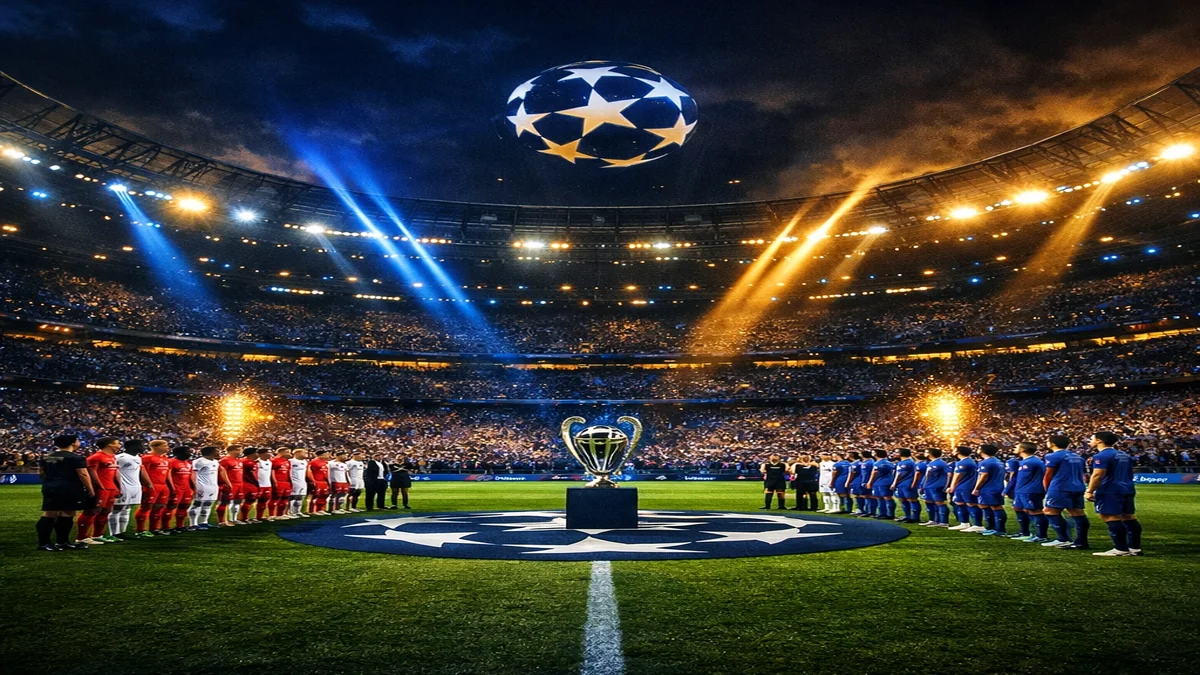
The idea for a pan-European club competition first emerged in the mid-1950s, primarily championed by Gabriel Hanot, the editor of French sports newspaper L'Équipe. Hanot, inspired by the success of the South American Championship of Champions, proposed a tournament featuring the champion clubs of Europe. Despite initial skepticism from UEFA, the concept gained traction, and the first European Champion Clubs' Cup, or simply the European Cup, was inaugurated in the 1955-56 season. Sixteen teams participated in the inaugural edition, with Real Madrid emerging as the first champions, defeating Stade de Reims in the final.
Real Madrid's dominance in the early years was absolute, as they went on to win the first five editions of the European Cup (1956-1960), a feat that remains unmatched. This foundational period established the tournament's prestige and set a high bar for future competitors. The 1960s saw a shift in power, with Portuguese club Benfica breaking Real Madrid's stranglehold, followed by Italian giants AC Milan and Inter Milan, and later English clubs like Manchester United. The competition quickly became a symbol of European footballing supremacy, attracting the best clubs and players from across the continent. This formative period of UEFA Champions League history (then European Cup) was crucial in shaping its identity as a fiercely contested tournament, driven by national pride, tactical innovation, and individual brilliance. The early successes and the growing appeal of continental clashes laid the groundwork for its eventual transformation into the global phenomenon it is today.
Evolution and Expansion: The Champions League Era (1992-Present)
The 1992-93 season marked a pivotal moment in the UEFA Champions League history with the rebranding and restructuring of the European Cup into the UEFA Champions League. This transformation was driven by a desire to modernize the competition, increase its commercial viability, and enhance its appeal to a global audience. Key changes included the introduction of a group stage format, allowing more teams to participate and ensuring more matches between top clubs. The iconic star-ball logo and the stirring anthem became synonymous with the tournament, elevating its brand identity.
The early Champions League era saw a diverse range of winners, with clubs like Olympique Marseille, AC Milan, Ajax, and Juventus lifting the coveted trophy. The competition continued to evolve, with further expansions in the late 1990s and early 2000s, allowing multiple teams from stronger leagues to qualify. This increased competitiveness and exposure, making the Champions League a true battleground for Europe's elite. The late 1990s and early 2000s were characterized by the emergence of new powerhouses and the resurgence of traditional giants. Real Madrid, with their
Galácticos era, secured multiple titles, while AC Milan and Manchester United also enjoyed significant success. The competition became a stage for individual brilliance, with players like Zinedine Zidane, Ronaldo, and Ronaldinho showcasing their talents.
The 21st century has further solidified the Champions League's status as the ultimate club competition. The dominance of clubs like Real Madrid, Barcelona, and Bayern Munich has been a defining feature, with Real Madrid, in particular, achieving an unprecedented three consecutive titles from 2016 to 2018, and five titles in nine seasons (2014-2022), under the guidance of managers like Zinedine Zidane and Carlo Ancelotti. Barcelona, led by Lionel Messi, also enjoyed a golden era, winning four titles between 2006 and 2015, playing a revolutionary tiki-taka style of football. The competition has also seen the rise of new contenders and dramatic upsets, ensuring its continued excitement and unpredictability. The UEFA Champions League history continues to be written, with each season adding new chapters of tactical evolution, individual brilliance, and collective triumph, solidifying its place as the most prestigious and captivating club competition in world football.
A Pantheon of Glory: Achievements and Records
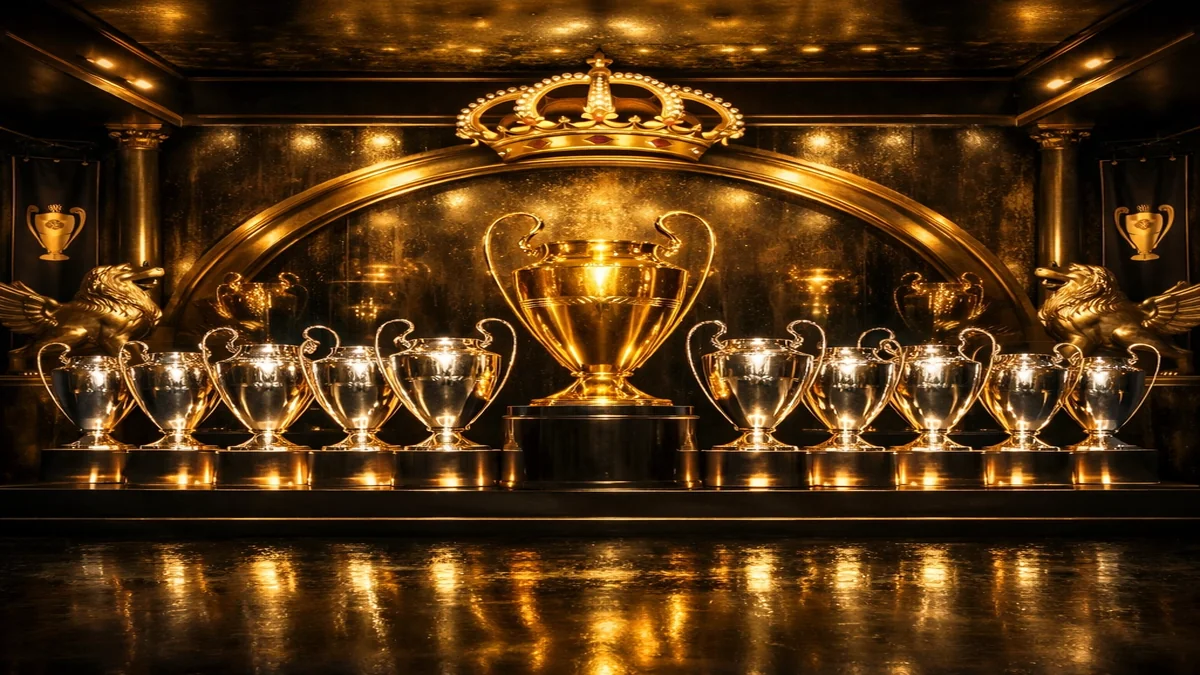
The UEFA Champions League's illustrious history is vividly reflected in its extensive collection of trophies, marking it as the ultimate prize in club football. The competition's trophy cabinet is a testament to decades of relentless pursuit of glory, showcasing the enduring quality and competitiveness of European football. Here's a summary of the most successful clubs in the UEFA Champions League/European Cup:
| Club | Number of Titles |
|---|---|
| Real Madrid | 15 |
| AC Milan | 7 |
| Bayern Munich | 6 |
| Liverpool | 6 |
| Barcelona | 5 |
| Ajax | 4 |
| Inter Milan | 3 |
| Manchester United | 3 |
Real Madrid stands as the undisputed record holder for the most UEFA Champions League/European Cup titles, with an astonishing 15 championships. Their consistent success across different eras speaks to their enduring dominance and strategic prowess. AC Milan, Bayern Munich, and Liverpool follow, highlighting their significant contributions to the competition's rich history. The competition's ability to produce multiple champions over its history underscores its competitive nature and the cyclical rise and fall of various powerhouses. Each title represents a significant chapter in the illustrious UEFA Champions League history, contributing to a legacy of success that continues to inspire generations of fans and players alike. The competition's commitment to tactical excellence and its ability to attract world-class talent have been key factors in its enduring appeal.
Records & Milestones: Defining Champions League's Greatness
UEFA Champions League history is replete with remarkable records and milestones that underscore the competition's competitive nature and the extraordinary talent it has nurtured. These achievements, both by clubs and individual players, highlight the enduring legacy of European club football.
Club Records
- Most Titles: Real Madrid holds the record for the most UEFA Champions League/European Cup titles, with 15 championships, showcasing their unparalleled dominance.
- Most Consecutive Titles: Real Madrid also holds the record for the most consecutive titles, winning five in a row from 1956 to 1960, and then three in a row from 2016 to 2018, a testament to their sustained excellence.
- Most Final Appearances: Real Madrid holds the record for the most final appearances, having reached the final 18 times.
- Most Goals Scored (Team): Real Madrid also holds the record for the most goals scored in the competition's history.
- Most Goals: Cristiano Ronaldo is the all-time leading goalscorer in UEFA Champions League history, with over 140 goals. His prolificacy across various clubs set a benchmark that remains unmatched.
- Most Assists: Cristiano Ronaldo also holds the record for the most assists in Champions League history, showcasing his incredible playmaking ability in addition to his goal-scoring prowess.
- Most Appearances: Cristiano Ronaldo and Iker Casillas share the record for the most appearances in the UEFA Champions League, both having played in over 180 matches, a testament to their incredible longevity and consistency.
- Most Titles (Player): Francisco Gento (Real Madrid) holds the record for the most European Cup titles won by a player, with six. Cristiano Ronaldo, with five titles, is the most successful player in the Champions League era.
- Most Hat-tricks: Lionel Messi and Cristiano Ronaldo share the record for the most hat-tricks in Champions League history, both with eight.
Individual Records
These records not only highlight the individual brilliance of players but also the collective strength and tactical evolution of the clubs. The continuous pursuit of these milestones fuels the competitive spirit of the UEFA Champions League, ensuring that each season brings new narratives and potential record-breaking performances. The competition's ability to attract and retain world-class talent has been crucial in maintaining its high standards and producing these extraordinary feats.
Enduring Legacy: The Champions League's Global Impact
The UEFA Champions League's legacy is one of profound cultural significance, tactical sophistication, and an unwavering commitment to the beautiful game that has resonated with football fans across the globe. From its humble beginnings as the European Cup in 1955 to its modern incarnation as the Champions League, the competition has consistently embodied a spirit of innovation and a dedication to attacking football. The league's enduring appeal lies not just in its impressive trophy cabinet, but in its unique identity as a tactical laboratory, where coaches and players alike have pushed the boundaries of footballing strategy. The intense rivalries between clubs from different nations, culminating in the ultimate European showdown, remain some of the most compelling narratives in world football, spectacles that transcend mere sport and embody the very soul of European identity.
The Champions League has served as a crucible for some of the sport's greatest talents, producing numerous Ballon d'Or winners and shaping the careers of legendary players and managers alike. Its emphasis on developing well-rounded players, both technically and tactically, has ensured a continuous supply of world-class talent who go on to grace both domestic and international stages. Furthermore, the Champions League's global reach is amplified by its rich history and the passionate support of its worldwide fanbase. The competition's ability to consistently deliver high-quality, entertaining football, combined with its strategic internationalization efforts, ensures its continued prominence on the international stage. As the UEFA Champions League continues to evolve, embracing new technologies and adapting to the modern football landscape, its rich history serves as a powerful foundation. The competition's narrative is one of continuous ambition, fierce competition, and an unwavering dedication to the beautiful game, ensuring its place as a permanent fixture in the pantheon of elite football competitions and a source of inspiration for generations to come.
FAQ: UEFA Champions League History
Q: When was the European Cup first held?
A: The European Champion Clubs' Cup, the predecessor to the UEFA Champions League, was first held in the 1955-56 season.
Q: Which club has won the most UEFA Champions League titles?
A: Real Madrid holds the record for the most UEFA Champions League/European Cup titles, with 15 championships.
Q: Who is the all-time leading goalscorer in the UEFA Champions League?
A: Cristiano Ronaldo is the all-time leading goalscorer in UEFA Champions League history, with over 140 goals.